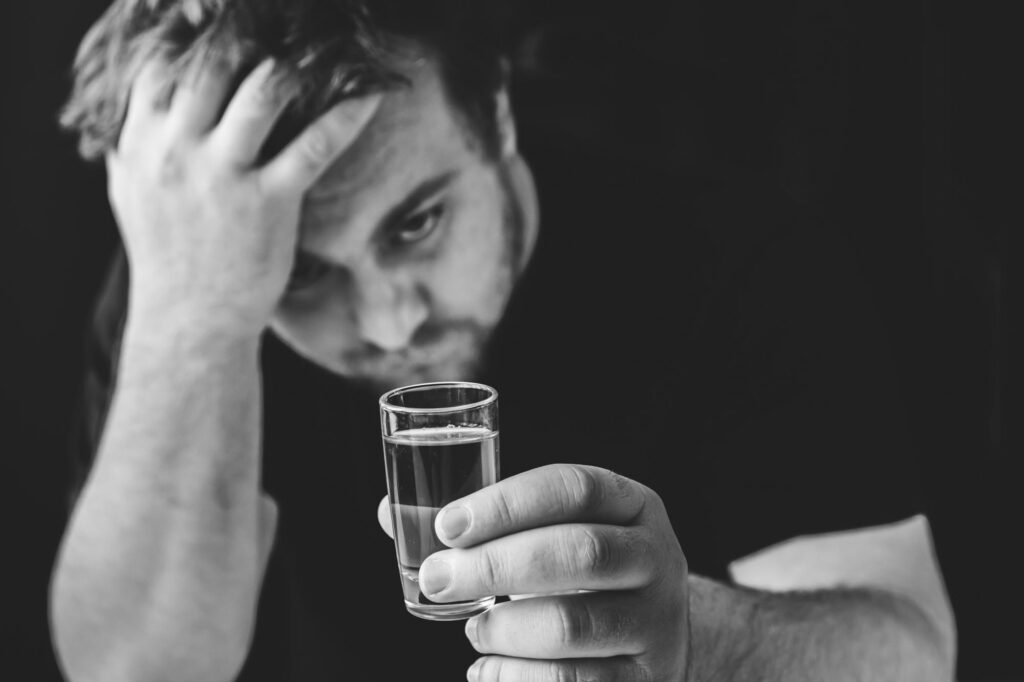
Gabapentin makes you feel weird because it directly increases GABA concentrations in your brain while simultaneously modulating multiple neurotransmitter systems. Your individual GABA-glutamate balance determines whether you’ll experience euphoria, depression, or irritability, explaining why responses vary so dramatically between users. Research shows a 3.95 reporting odds ratio for euphoric mood, while 10% of adverse reactions involve depressive symptoms. Understanding the specific neurological mechanisms behind these mood shifts can help you navigate your treatment more effectively.
Can Gabapentin Really Change Your Mood?

When researchers examine gabapentin’s impact on mood, the evidence reveals a complex and sometimes contradictory picture. Studies show gabapentin increases brain GABA concentrations, directly influencing neurotransmitter activity linked to mood regulation. In clinical trials, 30% of bipolar patients experienced significant mood improvement, while others showed 43.8% reduction in manic symptoms.
However, you should know the data cuts both ways. Gabapentin users demonstrate a 1.8 odds ratio for depression risk, and approximately 10% of adverse reactions reported involve depressive symptoms. Research indicates the medication can trigger euphoric mood, personality changes, and affective disorders. Systematic reviews also show gabapentin demonstrates clearer efficacy for alcohol craving and withdrawal symptoms compared to its effects on other psychiatric conditions. Among depression-related adverse events reported, suicidal ideation was most frequent at 22.58% of cases. Your response depends heavily on individual factors, mental health history, dosage, and treatment duration all shape whether gabapentin stabilizes or destabilizes your emotional baseline.
Why Some People Feel Euphoric and Others Get Depressed?
Because gabapentin modulates multiple neurotransmitter systems simultaneously, individual responses diverge dramatically based on underlying neurochemistry. Your brain’s baseline GABA-glutamate balance determines whether you’ll experience euphoria or depression. FAERS data reveals a reporting odds ratio of 3.95 for euphoric mood, while approximately 10% of adverse reactions involve depression.
If you have preexisting psychological disorders, you’re facing elevated depression risk, gabapentin users show a 1.8 odds ratio for depressive symptoms. Enhanced GABA activity produces profound anxiety relief in some individuals, triggering feelings of calm and sociability. Others experience emotional blunting or mood destabilization. Regular conversations with your healthcare team can help identify these mood fluctuations early and facilitate timely interventions.
Your α2δ subunit calcium channel binding efficiency affects excitatory neurotransmitter release patterns. This variability explains why 30% of mood disorder patients improve while others report worsening sadness and hopelessness. Individuals with comorbid substance use disorders, particularly opioid use disorder, face higher risks of experiencing euphoric effects that can lead to misuse and dependence.
Irritability, Aggression, and Mood Swings to Watch For

Although gabapentin often stabilizes mood in patients with bipolar disorder and conduct disorder, it can paradoxically trigger irritability, aggression, and emotional volatility in others. Research shows gabapentin and anger responses vary considerably between individuals, with documented cases of paradoxical aggression resolving within one day of discontinuation. Conduct disorder, characterized as a behavioral and emotional disorder in children and adolescents, has been specifically studied as a condition where gabapentin may address aggression symptoms.
Gabapentin calms some minds while igniting unexpected aggression in others, individual responses vary dramatically.
Does gabapentin make you irritable? Clinical evidence confirms this possibility, particularly in pediatric populations where seven children developed behavioral adverse effects during adjunctive therapy.
Watch for these warning signs:
- Unprovoked aggressive outbursts that differ from your baseline behavior
- Rapid mood fluctuations occurring shortly after dose changes
- Increased impulsivity or explosive reactions to minor triggers
Your neurological response to gabapentin requires individualized monitoring. If you notice behavioral changes during titration, contact your prescriber immediately for assessment.
When Gabapentin Mood Changes Become Dangerous
While most gabapentin users experience manageable mood fluctuations, a subset develops psychiatric symptoms that require immediate clinical intervention. Suicidal ideation can emerge within one week of starting treatment. If you’re wondering does gabapentin cause anxiety or does gabapentin make you angry, these reactions may signal neurochemical destabilization requiring medical evaluation. Some individuals report a gabapentin drunk feeling, which can contribute to the overall complexity of their mental health during treatment. This sensation may lead users to question its effects on their cognitive function and emotional regulation, making it crucial to assess these experiences with a healthcare provider. Monitoring for such side effects is essential, as they can indicate underlying issues that could necessitate adjustments in medication or support. While most gabapentin users experience manageable mood fluctuations, a subset develops psychiatric symptoms that require immediate clinical intervention. Suicidal ideation can emerge within one week of starting treatment. If you’re wondering does gabapentin cause anxiety or does gabapentin make you angry, these reactions may signal neurochemical destabilization requiring medical evaluation, particularly when patients also ask how quickly does gabapentin make you sleepy, as early sedation can precede broader central nervous system effects. Some individuals report a gabapentin drunk feeling, which can contribute to the overall complexity of their mental health during treatment. This sensation may lead users to question its effects on their cognitive function and emotional regulation, making it crucial to assess these experiences with a healthcare provider. Monitoring for such side effects is essential, as they can indicate underlying issues that could necessitate adjustments in medication or additional support.
| Warning Sign | Required Action |
|---|---|
| Suicidal thoughts | Seek emergency care immediately |
| Severe depression | Contact prescriber within 24 hours |
| Extreme mood swings | Document and report to physician |
| Aggressive behavior | Evaluate dosage adjustment |
| Worsening anxiety | Assess for withdrawal or paradoxical reaction |
Higher doses and prolonged use increase your risk for extreme mood swings ranging from mania to depression. Professional guidance remains essential before any dosage modifications. These dangerous mood changes can also impair cognitive function, leading to difficulties with memory, concentration, and decision-making that further compromise your safety. Patients with kidney problems face heightened risks because their bodies eliminate the medication more slowly, potentially intensifying these psychiatric symptoms.
How to Talk to Your Doctor About Mood Side Effects

Many patients struggle to articulate gabapentin-related mood changes during brief medical appointments, yet precise communication directly impacts treatment outcomes. Whether you’re questioning does gabapentin make you feel good or experiencing emotional dysregulation, documented specifics strengthen your case.
Complete these preparation steps before medical consultation:
- Track mood changes with onset timing, duration, and correlation to dosing schedules
- Document sleep patterns, since less than 7 hours correlates with stronger depression associations
- Record specific examples of irritability, emotional flatness, or inappropriate well-being
- Note that women may be particularly vulnerable to gabapentin’s mood effects based on research findings
Present concrete data rather than vague descriptions. Reference the 80% increased depression risk among gabapentin users to demonstrate informed engagement. Discuss whether dose adjustments might address your concerns without abrupt discontinuation, which triggers withdrawal. Request regular mental health monitoring throughout your treatment. Present concrete data rather than vague descriptions. Reference the 80% increased depression risk among gabapentin users to demonstrate informed engagement, and situate your concerns within the broader context of medication safety, including the gabapentin acetaminophen interaction when multiple agents are involved. Discuss whether dose adjustments might address your concerns without abrupt discontinuation, which can trigger withdrawal, and request regular mental health monitoring throughout your treatment.
Frequently Asked Questions
How Long Do Gabapentin Mood Changes Typically Last After Stopping the Medication?
You’ll typically experience acute mood changes for one to two weeks after stopping gabapentin, with symptoms peaking between days two and seven. If you’ve taken higher doses (1,800 mg daily or more), you may face prolonged mood disturbances lasting weeks to months. Your individual factors, kidney function, metabolism, and mental health history, directly influence duration. Gradual tapering under medical supervision considerably reduces both severity and length of these neurophysiological mood effects.
Can Gabapentin Cause Mood Changes Even at Low Doses?
Yes, gabapentin can cause mood changes even at low doses. Research shows doses as low as 300-400 mg affect emotional processing through GABA enhancement and glutamate modulation. You may experience increased calmness or, conversely, irritability and emotional flattening. Studies indicate approximately 10% of adverse reactions involve mood disturbances, with effects more pronounced if you’re sleep-deprived or have a predisposition to mood sensitivity. Your individual neurochemistry considerably influences these responses.
Does Taking Gabapentin at Night Reduce Mood-Related Side Effects?
Taking gabapentin at night can reduce daytime cognitive and physical side effects like dizziness and drowsiness, but it won’t necessarily prevent mood-related changes. Sleep benefits operate through separate neurophysiological pathways, enhancing slow-wave sleep and GABA tone, while mood alterations stem from gabapentin’s broader effects on emotional processing circuits. You’ll still need to monitor for irritability or mood shifts, which can emerge within the first week regardless of dosing timing.
Will Gabapentin Mood Effects Worsen if Combined With Alcohol or Caffeine?
Yes, combining gabapentin with alcohol can intensify mood-related side effects. Both substances depress your central nervous system, amplifying emotional instability, irritability, and mood swings, particularly if you have underlying mental health conditions. Alcohol compounds gabapentin’s neurological effects, worsening emotional unpredictability. Caffeine’s interaction with gabapentin lacks robust clinical data, though stimulants may counteract sedation while potentially increasing anxiety or restlessness. You should discuss any substance use with your healthcare provider for proper monitoring.
Can Mood Changes From Gabapentin Become Permanent With Long-Term Use?
Long-term gabapentin use can potentially cause persistent mood changes, though true permanence remains unclear. Research links prolonged use to neurodegenerative brain changes that may complicate mood stability even after discontinuation. You might experience lasting cognitive effects, including memory issues and concentration difficulties. Tolerance development and repeated withdrawal cycles can dysregulate your neurochemistry, potentially extending mood instability. If you’ve used gabapentin long-term, you’ll need careful monitoring and gradual tapering to minimize lasting effects.