Why Alcohol Triggers UTI-Like Symptoms
Additionally, alcohol causes immune system suppression, weakening your defenses against potential infections. Reduced urine output from alcohol-induced dehydration impairs the body’s ability to flush out bacteria from the urinary tract. Alcohol can also irritate the bladder lining, causing frequent and urgent urination that feels remarkably similar to an infection. This combination of inflammation, dehydration, and compromised immunity explains why post-drinking urinary symptoms mirror true UTI presentation so closely. can drinking alcohol increase UTI risk is a question many may overlook. The cumulative effects of alcohol on the urinary system can lead to an increased susceptibility to infections, particularly in those already prone to urinary issues. Staying hydrated and moderating alcohol intake may help reduce these risks and promote better urinary health.
Is It Bladder Irritation or an Actual UTI?
Because alcohol-induced bladder irritation and bacterial UTIs produce nearly identical symptoms, distinguishing between them requires careful attention to specific clinical markers. You’ll notice both conditions cause burning urination, urgency, and pelvic discomfort. However, alcohol-related irritation typically resolves within 24-48 hours with adequate hydration.
True UTIs present with fever, back pain, and systemic symptoms that bladder irritation doesn’t produce. Elevated urine acidity from alcohol consumption can trigger urethritis-like burning without bacterial involvement. If you’re experiencing alcohol and urinary frequency issues, track symptom onset relative to your last drink. Alcohol-related UTI-like symptoms often appear quickly, sometimes the next morning after consumption.
A urine culture definitively confirms bacterial presence. Persistent symptoms beyond 48 hours warrant testing. You should avoid alcohol during evaluation periods, as continued consumption masks diagnostic clarity and prolongs mucosal irritation. If a UTI is confirmed, your doctor will typically prescribe a 7- to 10-day course of antibiotics to clear the infection. It is essential to be aware of the risks of antibiotics with alcohol, as combining these substances can lead to undesirable side effects and reduce the effectiveness of the medication. For example, certain antibiotics may cause nausea, vomiting, or severe headaches when taken with alcohol. To ensure a smooth recovery, abstaining from alcohol during your treatment period can significantly benefit your overall health.
How to Relieve Bladder Pain After Drinking
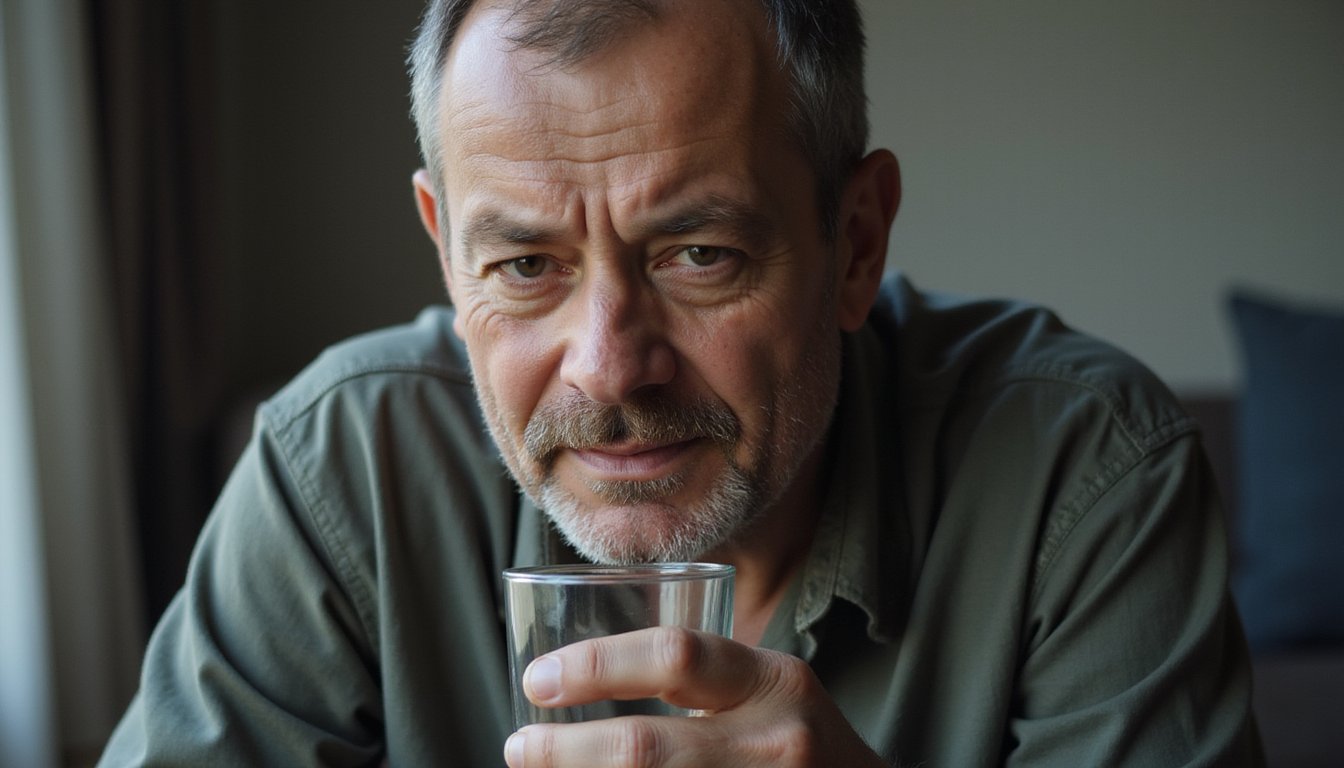
When bladder discomfort develops after alcohol consumption, targeted hydration serves as your first-line intervention. Drinking water dilutes alcohol urine acidity, reducing concentrated irritants that inflame the bladder lining. This approach addresses bladder irritation vs uti concerns by flushing irritants without requiring antibiotics.
Targeted hydration dilutes urinary irritants and flushes the bladder naturally, your simplest remedy for alcohol-related discomfort.
Beyond hydration, eliminate dietary triggers that compound alcohol and urethritis symptoms. Avoid caffeine, spicy foods, and acidic fruits, which further aggravate sensitized urinary tissues. Since alcohol is highly acidic, it compounds the irritation caused by these other dietary triggers.
Pelvic floor exercises strengthen muscles supporting bladder control, while NSAIDs like ibuprofen reduce inflammation. Bladder training techniques extend urination intervals, retraining overactive reflexes triggered by irritation. Since alcohol affects the nerves in the bladder, preventing them from signaling the brain when the bladder is full, these training techniques help restore proper communication between the bladder and brain.
For persistent symptoms, temporary alcohol abstinence allows tissue recovery. Most individuals notice improvement within two weeks, with complete bladder lining restoration occurring over one to three months depending on consumption history and individual healing response.
Signs You Need to See a Doctor
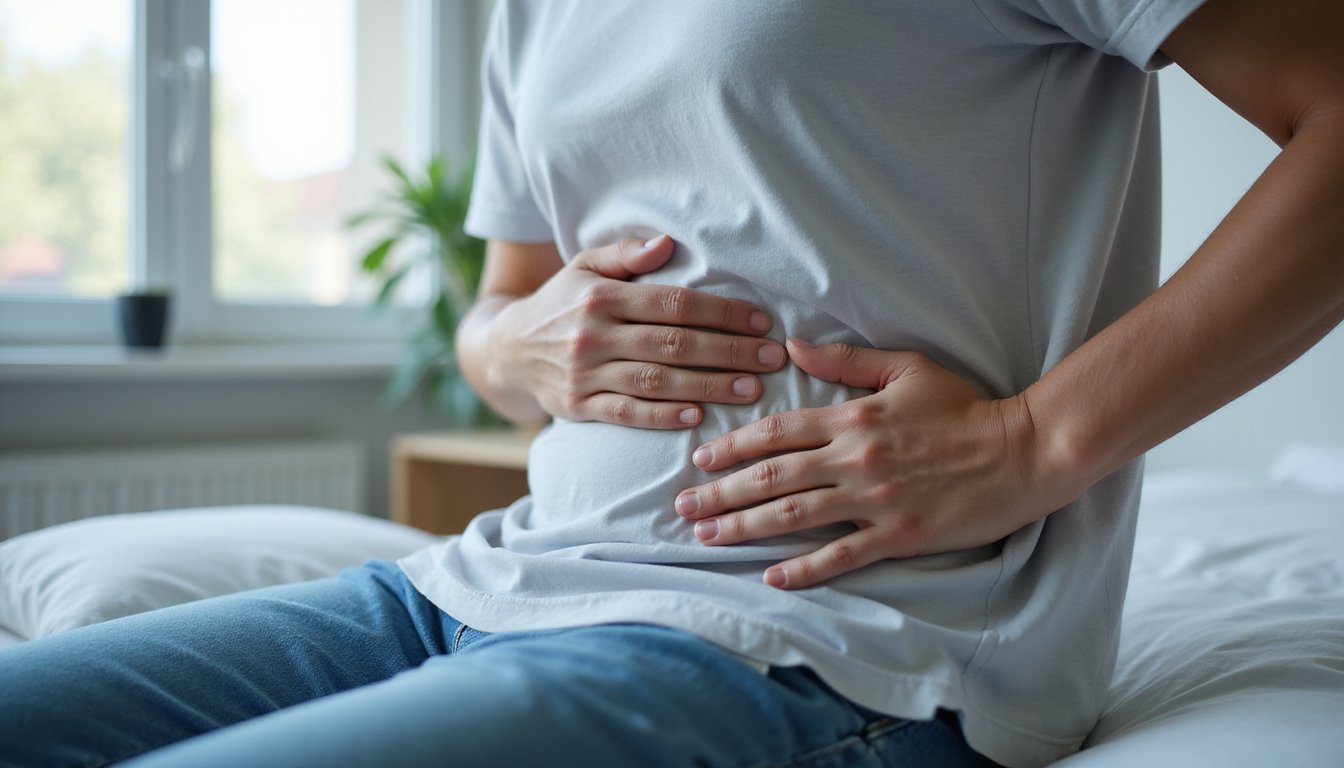
While home interventions resolve most alcohol-related bladder symptoms within 24 to 48 hours, certain warning signs indicate you need professional evaluation. If you’re experiencing burning urination that intensifies rather than improves, or frequent urination after drinking alcohol that persists beyond two days, schedule a medical appointment.
Seek immediate care if you notice:
- Blood in your urine or fever accompanying bladder discomfort
- Lower back or flank pain suggesting kidney involvement
- Cloudy, foul-smelling urine indicating bacterial infection
Bladder pain after drinking alcohol typically resolves with hydration and rest. However, when you have UTI symptoms but no infection repeatedly, you may have developed interstitial cystitis or another chronic bladder condition requiring diagnosis. A urinalysis definitively distinguishes alcohol-induced irritation from bacterial infection, ensuring you receive appropriate treatment. Remember that if a true UTI is confirmed, antibiotics are the standard treatment, and your doctor will likely advise you to avoid alcohol during your recovery period. Pain management during uti treatment is crucial not only for comfort but also for ensuring the healing process. Effective strategies may include over-the-counter pain relievers or prescribed medications that target urinary tract discomfort.
Why Alcohol Makes an Existing UTI Worse
| Mechanism | Effect | Clinical Impact |
|---|---|---|
| Immune system suppression | Weakens bacterial defense | Prolongs infection, raises complication risk |
| Antibiotic interference | Reduces medication effectiveness | Delays bacterial clearance |
| Bladder inflammation | Intensifies tissue irritation | Worsens pain and urgency |
Your immune system’s compromised state impairs E. coli eradication, while antibiotic interference diminishes treatment efficacy. You should avoid alcohol entirely until completing your full antibiotic course.
Frequently Asked Questions
Can Certain Types of Alcohol Cause Worse Urinary Symptoms Than Others?
Yes, certain alcohols trigger worse urinary symptoms than others. You’ll likely experience more intense burning and urgency from spirits due to their higher alcohol content and stronger diuretic effects. Wine, particularly red, irritates your bladder through sulfites, tannins, and increased urine acidity. Beer’s carbonation and hops compound bladder irritation. Cocktails combine multiple irritants, sugar, citrus, carbonation, and artificial sweeteners, markedly amplifying your symptoms compared to simpler drinks.
How Long Do Alcohol-Induced Bladder Symptoms Typically Last After Drinking Stops?
Your alcohol-induced bladder symptoms typically resolve within 24 to 72 hours after you stop drinking, provided you rehydrate adequately. Mild irritation usually clears within three days as your bladder lining recovers. However, if you’ve consumed excessive amounts or drink heavily on a regular basis, symptoms can persist for one week or longer due to prolonged mucosal inflammation and immune suppression. Increasing your water intake and avoiding additional bladder irritants will accelerate your recovery timeline.
Does Mixing Alcohol With Caffeinated Beverages Increase Urinary Discomfort?
Yes, mixing alcohol with caffeinated beverages can intensify your urinary discomfort. Alcohol relaxes your bladder muscles and increases urine production, while caffeine stimulates bladder contractions and heightens urgency. This creates a physiological imbalance, you’re simultaneously experiencing reduced bladder control and increased contractile activity. Both substances act as diuretics and irritate your bladder lining, producing additive effects. Though direct studies on combined consumption remain limited, the individual mechanisms suggest synergistic bladder irritation.
Can Alcohol Consumption Affect UTI Test Results or Cause False Positives?
Alcohol consumption doesn’t directly cause false positives on standard UTI dipstick tests. These tests detect bacterial nitrites and leukocytes, markers unrelated to ethanol metabolism. However, heavy drinking can dilute your urine, potentially masking a true infection rather than creating false positives. You’ll get more accurate results by using the mid-stream clean-catch method, providing a morning sample, and disclosing any medications to your provider for proper interpretation.
Are Women More Likely Than Men to Experience Bladder Irritation From Alcohol?
Current research doesn’t show clear gender-specific differences in alcohol-induced bladder irritation. Studies note similar irritation mechanisms in both sexes, direct urothelial irritation, increased urine acidity, and diuretic effects affect you regardless of gender. However, women with overactive bladder consumed more bladder irritants, including alcohol, than those without symptoms. You should follow gender-specific moderation guidelines: no more than one drink daily for women, two for men, when managing urinary symptoms.