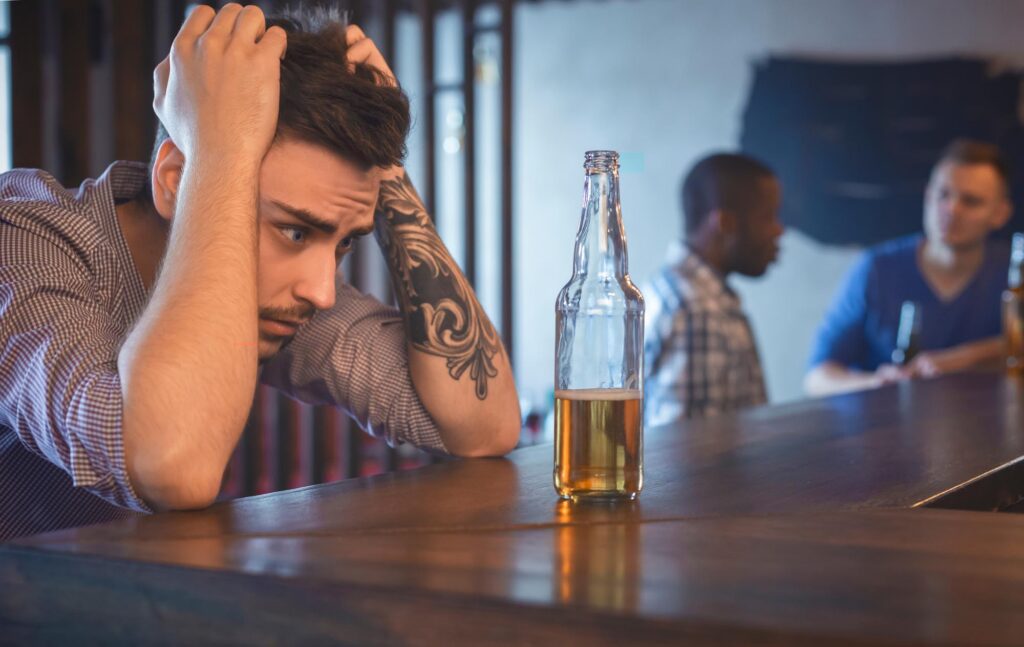
You shouldn’t drink alcohol while you have a UTI or while taking antibiotics to treat one. Alcohol dehydrates your body, concentrates your urine, and directly irritates your bladder lining, all of which worsen symptoms and slow recovery. It also suppresses your immune system’s ability to fight bacteria. Antibiotics like Macrobid and Bactrim can cause adverse reactions when combined with alcohol. Understanding exactly when it’s safe to drink again requires knowing how these factors affect your specific situation.
Should You Drink Alcohol With a UTI? No: Here’s Why

Drinking alcohol while you have a UTI can interfere with your recovery in several significant ways. Alcohol acts as a diuretic, causing dehydration effects that concentrate your urine and promote bacterial growth. This concentrated urine increases acidity, worsening bladder irritation and intensifying discomfort. Dehydration also results in less frequent urination, allowing bacteria to adhere to the bladder walls and proliferate. can alcohol lead to urinary tract infections, especially in individuals prone to these conditions? Research has shown that alcohol can disrupt the body’s natural defenses, making it easier for bacteria to invade and establish a foothold.
Additionally, alcohol contributes to immune system suppression, weakening your body’s ability to fight bacteria like E. coli. This impairment allows infections to persist longer and increases complication risks, including potential kidney involvement. Research shows that individuals who drink alcohol have a higher risk of infections overall, making recovery more challenging.
If you’re taking antibiotics, antibiotic interactions present another concern. Medications like Macrobid and Bactrim can cause adverse reactions when combined with alcohol, including nausea and flushing. These interactions may reduce treatment effectiveness and prolong recovery. You should avoid alcohol until you’ve completed your antibiotic course and symptoms resolve.
How Alcohol Masks UTI Symptoms and Delays Treatment
Alcohol dulls your sensory perception, making it harder for you to notice early UTI warning signs like burning, urgency, or pelvic discomfort. When you’re drinking, these symptoms can go unrecognized until the infection has progressed considerably. Additionally, hangover symptoms such as fatigue, nausea, and general malaise often mimic or overlap with UTI signs, further obscuring your ability to identify when you need medical attention. This delayed recognition can allow the infection to spread from your bladder to your kidneys, creating a more serious condition requiring aggressive treatment. The dehydration caused by alcohol also produces more concentrated, acidic urine that can irritate the bladder lining, creating symptoms that feel like a UTI even when no infection is present.
Dulled Pain Awareness
When you consume alcohol, its depressant effects on the central nervous system can dull your perception of pain and physical discomfort, including the early warning signs of a UTI. This sensory dulling mechanism impairs your ability to detect bladder irritation, burning during urination, and pelvic pressure that typically signal infection onset. The effects of alcohol on UTI symptoms can lead to an increased risk of overlooking these critical signs. As you consume more, the numbing sensation may also contribute to delayed treatment, allowing the infection to progress. It’s essential to remain vigilant and mindful of any changes in your body, especially when alcohol consumption is involved.
You may not recognize urgency or discomfort until the alcohol’s effects wear off, often the following morning. By then, bacteria have had additional time to multiply, potentially worsening the infection. This delayed awareness prevents timely intervention and increases your risk of complications, including kidney involvement. Without prompt treatment, UTIs can lead to serious consequences such as kidney damage.
The masking effect creates a false sense of normalcy while inflammation continues unchecked. Recognizing this pattern helps you understand why abstaining from alcohol during suspected UTI symptoms supports earlier detection and treatment.
Hangover Mimics UTI Signs
After a night of heavy drinking, you may wake up experiencing symptoms that closely mirror a urinary tract infection, burning during urination, pelvic pressure, frequent urges to pee, and even cloudy urine. These hangover symptoms often result from alcohol-induced dehydration effects, which concentrate your urine and irritate the urinary tract.
Bladder irritation mechanisms compound the problem. Alcohol directly inflames the bladder lining, while compounds like sulfites and congeners heighten sensitivity, creating discomfort lasting 24-48 hours.
This overlap causes delayed detection from symptom masking. You might dismiss genuine infection signs as typical post-drinking discomfort. However, symptoms that persist beyond 48 hours or include foul-smelling urine warrant medical evaluation. True UTIs require antibiotic treatment, and postponing care allows bacterial multiplication and potential kidney involvement.
Why Alcohol Irritates Your Bladder and Worsens UTIs

Though it may seem harmless to have a drink while recovering from a urinary tract infection, alcohol directly irritates the bladder lining and can intensify symptoms you’re already experiencing. Bladder lining irritation from alcohol triggers inflammation, urgency, and painful urination. The diuretic effect on bladder sensitivity increases urine production, forcing your bladder to work harder and heightening discomfort. Dehydration from alcohol can concentrate your urine, further aggravating bladder irritation and worsening your symptoms.
Alcohol irritates the bladder lining and intensifies UTI symptoms, triggering inflammation, urgency, and painful urination during recovery.
Alcohol also causes neurological disruption of bladder control by interfering with signals between your brain and bladder muscles. This leads to:
- Involuntary bladder contractions and urinary leakage
- Delayed response times when you need to urinate
- Weakened coordination of sphincter muscles
Continued consumption promotes inflammation and chronic damage to urinary tissues. The exacerbation of UTI symptoms occurs as alcohol weakens your immune response and creates conditions favorable for bacterial growth. Chronic alcohol abuse may also increase your risk of developing recurrent urinary tract infections over time.
Dehydration From Drinking Makes UTIs Harder to Fight
How does alcohol undermine your body’s ability to clear a UTI? Alcohol acts as a diuretic, inhibiting antidiuretic hormone and triggering excessive fluid loss. This dehydration creates concentrated urine effects that directly compromise your recovery.
When your urine becomes highly concentrated, waste products accumulate and irritate your bladder lining. This acidic environment promotes bacterial adhesion to bladder walls, worsening uti symptoms like burning and urgency. The increased urine acidity from alcohol consumption can also enable E. coli bacteria to multiply more quickly.
Dehydration also causes reduced bacterial flushing. Lower urine volume means fewer opportunities to expel pathogens like E. coli from your urinary tract. Bacteria multiply when they aren’t regularly cleared. Additionally, alcohol weakens the immune system, making your body less effective at fighting off the infection on its own.
To support treatment, you’ll need adequate hydration. Water dilutes irritants, maintains proper flushing mechanisms, and counteracts alcohol’s dehydrating effects, all essential for resolving your infection efficiently.
Alcohol Weakens Your Immune Response to UTI Bacteria

When you consume alcohol, your immune system’s ability to fight UTI-causing bacteria becomes considerably compromised. Alcohol damages T cells and reduces B cell antibody production, which are both essential for identifying and eliminating pathogens like E. coli from your urinary tract. Chronic drinking can increase your susceptibility to bacterial infections by three- to sevenfold, making it extensively harder for your body to clear the infection on its own. Additionally, alcohol acts as a diuretic that dehydrates the body, creating an environment where bacteria can thrive more easily in your urinary tract.
Suppressed Bacterial Defense Mechanisms
Alcohol consumption directly impairs the white blood cells your body relies on to combat UTI-causing bacteria like E. coli. Understanding immune system suppression mechanisms helps explain why drinking during an infection compromises your recovery. When your immune response weakens, bacteria establish themselves more easily and persist longer in your urinary tract.
Your body’s suppressed defenses create several clinical concerns:
- Reduced bacterial clearance: Impaired white blood cells can’t effectively eliminate pathogens from your urinary system
- Increased infection severity: Weakened immunity allows bacteria to multiply and spread
- Prolonged recovery time: Your body struggles to mount an adequate response against established infections
This immunosuppression heightens your susceptibility to complications, including potential progression to kidney involvement. You’re placing unnecessary strain on already-compromised defenses when you consume alcohol during active UTI treatment. Additionally, alcohol can disrupt beneficial bacteria that normally help guard your urinary tract against infection, further undermining your body’s natural protective barriers. If you find that alcohol consumption is difficult to control even when facing health complications like a UTI, expertly trained specialists at substance use disorder treatment centers can provide the support needed to address underlying concerns.
Chronic Drinking Immunity Decline
Beyond the acute effects of occasional drinking, long-term alcohol consumption creates deeper, more persistent damage to your immune defenses. Chronic heavy drinking increases your susceptibility to bacterial infections by three to seven-fold. This heightened vulnerability stems from sustained T cell damage that compromises your body’s ability to identify and destroy UTI-causing bacteria.
When you drink heavily over extended periods, your bloodstream shows decreased numbers of both T cells and B cells. Your CD4+ and CD8+ T cell responses become suppressed, weakening your capacity to mount effective defenses against urinary tract pathogens. Additionally, chronic intoxication inhibits phagocytosis and disrupts growth factor production essential for immune function.
These cumulative effects allow bacteria to establish persistent infections in your urinary tract, prolonging symptoms and increasing complication risks.
Increased Infection Susceptibility
Even a single episode of drinking can compromise your body’s defenses against UTI-causing bacteria. Acute consumption impacts your immune system rapidly, suppressing T cells and B cells that produce antibodies against pathogens. This immune system suppression allows harmful bacteria like E. coli to multiply unchecked in your bladder.
Dehydration effects on immunity further weaken your response. Alcohol’s diuretic action concentrates your urine, creating conditions that serve as a bacterial proliferation aid. Key concerns include:
- Reduced urine output limits bacterial flushing, increasing infection burden
- Acidic urine promotes E. coli adhesion to bladder walls
- Depleted protective microflora enables pathogen dominance
These symptom prolongation mechanisms extend your recovery time. When your immune cells can’t recognize and eliminate bacteria efficiently, symptoms like burning and urgency persist longer than necessary. Research shows that consuming 5-6 drinks can suppress your immune system for up to 24 hours, significantly delaying your body’s ability to fight off the infection. Individuals who struggle with alcohol use disorder may experience recurrent UTIs due to chronic immune system weakening, making them particularly vulnerable to persistent infections.
Antibiotics You Should Never Mix With Alcohol
Certain antibiotics produce severe and potentially dangerous reactions when combined with any amount of alcohol. Metronidazole and tinidazole trigger disulfiram-like reactions that cause violent vomiting, facial flushing, rapid heartbeat, and dangerous drops in blood pressure. You must wait at least 72 hours after your last metronidazole dose before consuming alcohol.
| Antibiotic | Reaction Risk |
|---|---|
| Metronidazole | Disulfiram-like reaction, violent vomiting |
| Tinidazole | Severe nausea, cardiac irregularities |
| Linezolid | Dangerous blood pressure spikes |
| Sulfamethoxazole/Trimethoprim | Flushing, tachycardia, vomiting |
| Ketoconazole | Liver damage, toxic buildup |
Linezolid reacts specifically with fermented beverages, causing dangerous blood pressure elevation and altered mental status. Sulfamethoxazole/trimethoprim combinations produce violent physical reactions even with small alcohol amounts. You should completely avoid alcohol with these medications. Since both alcohol and antibiotics are processed by the liver, combining them increases the risk of toxic byproduct buildup and potential organ damage.
Which UTI Antibiotics Have Lower Alcohol Risks?
While some UTI antibiotics carry severe alcohol interaction risks, others present lower direct dangers, though caution remains essential.
Nitrofurantoin doesn’t produce the disulfiram-like reaction seen with metronidazole or trimethoprim-sulfamethoxazole. However, you shouldn’t interpret this as clearance to drink freely. Alcohol still irritates your bladder lining, potentially undermining the antibiotic’s effectiveness against your infection.
Lower-risk antibiotics still carry indirect concerns:
- Alcohol causes dehydration, slowing kidney clearance of the medication
- Nausea and dizziness side effects intensify with alcohol consumption
- Your immune response weakens, potentially prolonging recovery
Even when taking antibiotics without direct alcohol interactions, you’re placing unnecessary strain on your body’s healing capacity. An occasional drink may be tolerable for some individuals, but avoiding alcohol entirely during treatment supports ideal recovery outcomes.
When Can You Safely Drink Again After a UTI?
Understanding which antibiotics carry lower alcohol risks helps inform treatment decisions, but timing your return to alcohol consumption requires equal attention. Can you drink alcohol with a UTI before completing treatment? Medical guidance recommends waiting until you’ve finished your entire antibiotic course.
Drinking alcohol with UTI symptoms still present can irritate your bladder and delay healing. You shouldn’t resume alcohol until pain, urgency, and burning have fully resolved. Is alcohol bad for a UTI recovery? Yes, it promotes dehydration, impairing your body’s ability to flush bacteria effectively.
Can you drink on antibiotics for UTI safely? Avoid drinking with a UTI until symptoms clear completely. Should you drink alcohol with a UTI that’s resolving? Wait until hydration restores normal urinary function. Alcohol with UTI complications requires extended abstinence for ideal recovery outcomes.
Best UTI-Friendly Drinks for Faster Recovery
Choosing the right beverages during a UTI can support your body’s natural healing process and complement antibiotic treatment. Water remains your best option for flushing bacteria from the urinary tract, while unsweetened cranberry juice may help prevent bacterial adhesion to bladder walls. Herbal teas, particularly decaffeinated green tea, offer anti-inflammatory and antibacterial properties that can ease symptoms during recovery.
Water Boosts Bacteria Flushing
Because proper hydration plays a critical role in UTI recovery, water remains the most effective and safest fluid choice for flushing bacteria from your urinary tract. Unlike drinking alcohol on UTI antibiotics, which can worsen dehydration and strain your system, water actively supports your body’s natural defense mechanisms.
Water offers these clinically supported benefits:
- Increases urine production to eliminate bacteria more rapidly from your bladder and urethra
- Replaces fluids lost from fever or medication side effects during treatment
- Reduces UTI recurrence risk when consumed consistently in adequate amounts
You should prioritize water over beverages containing sugar, caffeine, or alcohol. This simple intervention supports antibiotic efficacy without introducing additional metabolic burden. Maintaining consistent water intake throughout your treatment period optimizes bacterial clearance and accelerates your recovery timeline.
Cranberry Juice Benefits
While water remains your primary tool for bacterial clearance, cranberry juice has gained attention as a supportive beverage during UTI recovery. Studies show cranberry consumers experience 54% lower UTI rates compared to no treatment, with proanthocyanidins (PACs) preventing E. coli adhesion to urinary tract cells.
However, cranberry juice works primarily for prevention, not active treatment. No randomized controlled trials support its effectiveness for treating symptomatic UTIs, antibiotics remain necessary for active infections.
If you choose cranberry juice during alcohol and UTI recovery, select unsweetened, 100% pure varieties. Sweetened cocktails add unnecessary sugar that may cause stomach upset. The recommended preventive dose is 36 mg PACs daily.
Consult your healthcare provider before adding cranberry products, especially if you’re pregnant, breastfeeding, or taking medications that may interact.
Herbal Teas Reduce Inflammation
Herbal teas offer anti-inflammatory and mild diuretic properties that may support UTI recovery when combined with standard medical treatment. Green tea contains epigallocatechin, which demonstrates antibacterial activity against E. coli in laboratory studies. Animal research suggests green tea extracts may enhance antibiotic effectiveness, though human trials remain limited.
Consider these evidence-backed options:
- Green tea: Polyphenols provide antimicrobial and anti-inflammatory effects
- Parsley tea: Exhibits mild diuretic action to help flush bacteria from your urinary tract
- Chamomile tea: Contains compounds with weak antibacterial and anti-inflammatory properties
You should understand that no antibiotic interaction UTI concerns have been specifically documented with these teas. However, research remains preliminary. Always consult your healthcare provider before adding herbal supplements to your treatment regimen, as third-party tested brands offer greater quality assurance.
Warning Signs Your UTI Needs a Doctor, Not More Waiting
Most urinary tract infections respond well to prompt treatment, but certain symptoms indicate you shouldn’t wait any longer to seek medical care. If you develop a high fever above 102°F with chills and shaking, your infection may have progressed to pyelonephritis, a serious kidney infection requiring immediate intervention.
Seek emergency care if you notice visible blood in your urine appearing pink, red, or cola-colored. This signals potential upper urinary tract involvement. Severe pain in your lower back or sides, especially when paired with nausea or vomiting, suggests the infection has migrated beyond your bladder.
Don’t ignore flu-like symptoms accompanying urinary discomfort. A fever exceeding 100.4°F combined with persistent back pain indicates possible sepsis risk. These warning signs demand professional evaluation, not home remedies or continued waiting.
Frequently Asked Questions
Can One Glass of Wine Affect My UTI Antibiotic Treatment?
One glass of wine likely won’t cancel your antibiotic’s effectiveness, but it can still impact your recovery. Alcohol irritates your bladder, worsens dehydration, and may intensify side effects like nausea or dizziness, especially with nitrofurantoin. It also strains your liver, which is already processing your medication. If you’re taking metronidazole or sulfamethoxazole-trimethoprim, avoid alcohol entirely due to severe reaction risks. For ideal healing, it’s best to abstain until you’ve completed treatment.
Does Non-Alcoholic Beer Irritate the Bladder Like Regular Alcohol Does?
Yes, non-alcoholic beer can still irritate your bladder. Even without ethanol, it contains hops and barley with diuretic compounds like phenolic acids and flavonoids. The carbonation also increases bladder pressure, triggering urgency and discomfort. Potassium in beer acts as a diuretic, further stressing your bladder during a UTI. You’re better off choosing non-carbonated, non-alcoholic beverages to minimize irritation and support your recovery while on antibiotics.
Will Drinking Alcohol Give Me a UTI if I’m Prone to Them?
If you’re prone to UTIs, drinking alcohol can increase your risk of developing one. Alcohol acts as a diuretic, causing dehydration that concentrates your urine and reduces your body’s ability to flush bacteria. It also suppresses your immune response and irritates your bladder lining, creating conditions favorable for bacterial growth. Additionally, alcohol impairs judgment, potentially leading to hygiene lapses that further elevate your vulnerability to recurrent infections.
Can Alcohol Cause a UTI to Spread to My Kidneys Faster?
Yes, alcohol can accelerate UTI progression to your kidneys. When you drink, you weaken your immune response and dehydrate your body, creating concentrated urine that helps bacteria thrive. Alcohol also irritates your bladder lining, potentially compromising protective barriers. Research shows enhanced UTI morbidity in individuals who consume alcohol excessively, with renal papillary necrosis occurring alongside pyelonephritis in over 90% of cases involving alcoholism. You should avoid alcohol until you’ve fully recovered.
Is It Safe to Drink Alcohol After UTI Symptoms Disappear but Before Finishing Antibiotics?
You should avoid alcohol until you’ve completed your full antibiotic course, even if symptoms have resolved. Symptom relief doesn’t indicate complete bacterial clearance, stopping treatment early or adding alcohol can interfere with your immune response and delay full recovery. Alcohol also irritates your bladder lining and causes dehydration, potentially prolonging healing. Wait 48-72 hours after finishing antibiotics before drinking, and consult your healthcare provider for personalized guidance.