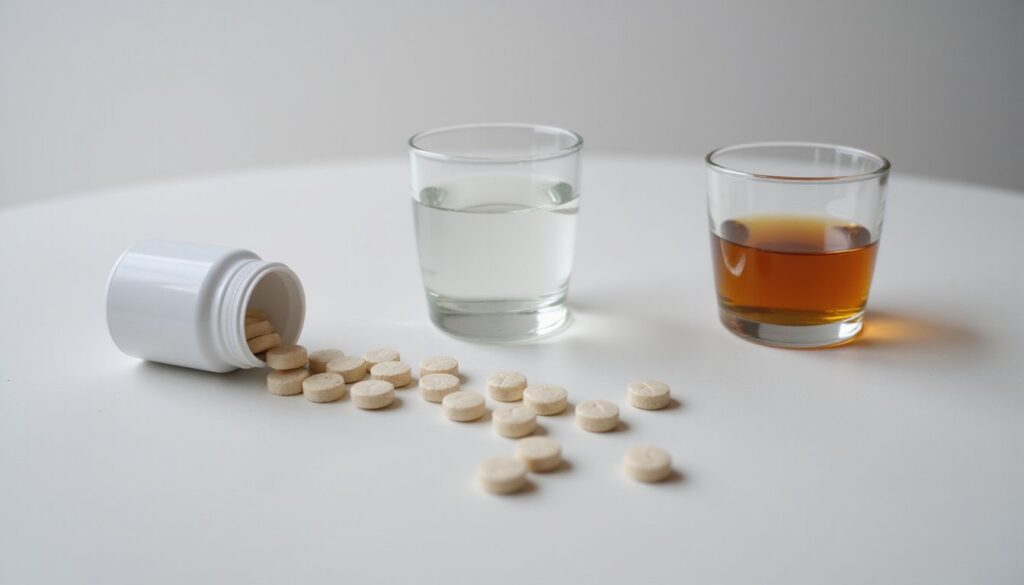
When you’re traversing drug detox programs, you’ll encounter several pathways: medical detox offers 24/7 physician oversight, while outpatient options let you maintain daily responsibilities at lower cost ($1,000-$3,000 versus $3,000-$10,000 for inpatient). After initial detox, step-down treatment, moving gradually from intensive care to outpatient support, is critical, as patients in aftercare programs maintain sobriety at rates up to 70% higher. Understanding these options helps you find the right treatment pathway below.
Understanding the Different Types of Drug Detox Programs
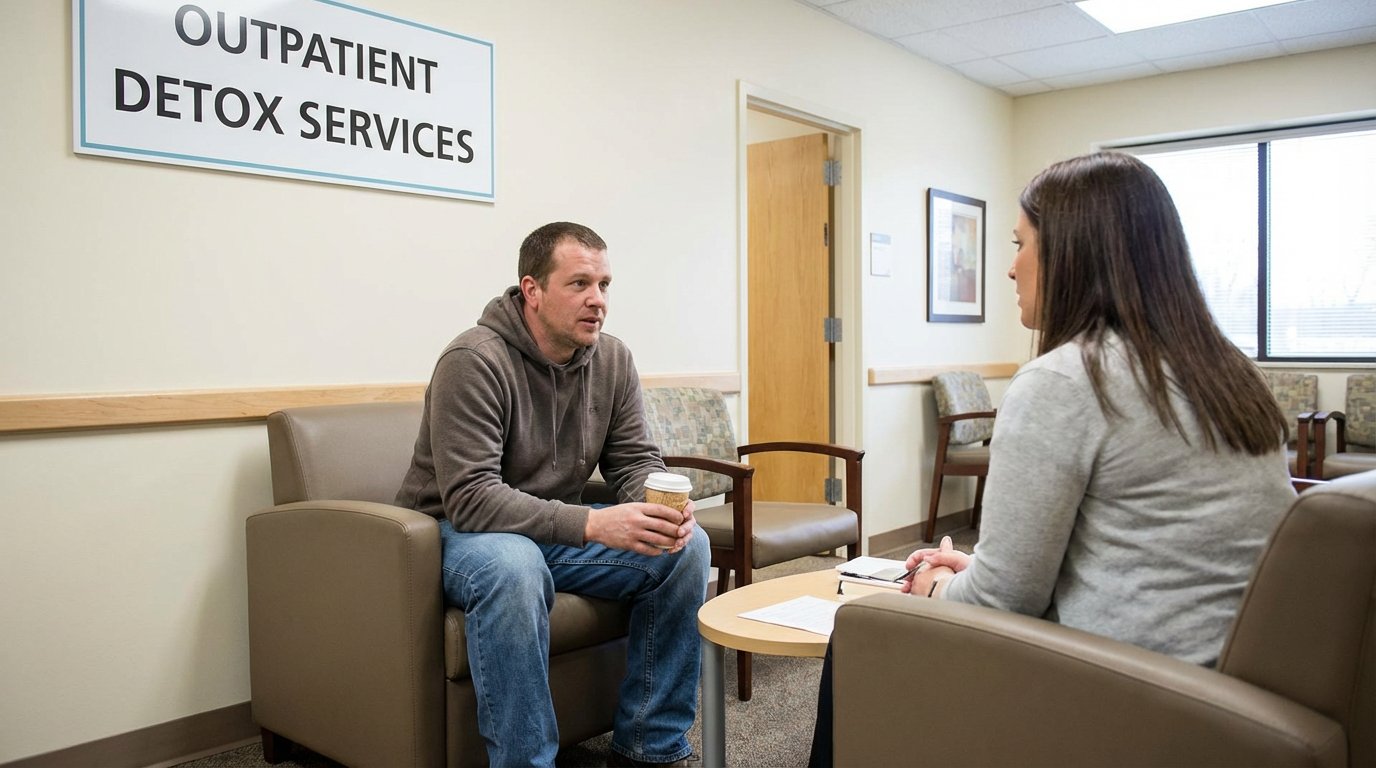
When you’re ready to break free from substance dependence, understanding your detox options helps you make an informed decision about your care. A thorough withdrawal risk assessment determines which program suits your needs, while an addiction severity evaluation guides treatment intensity.
Medical detox provides 24/7 physician oversight with medication-assisted treatment for dangerous withdrawals from alcohol, opioids, or benzodiazepines. Inpatient detox offers residential care in a controlled environment, ideal if you have co-occurring mental health conditions or limited home support. This option also provides a seamless transition into long-term treatment programs for continued recovery.
Outpatient detox allows you to maintain daily responsibilities while attending scheduled treatment sessions, making it suitable for working professionals and students who cannot commit to residential care. Social detox emphasizes peer support without medications for milder substance use. Holistic detox integrates yoga, acupuncture, and nutrition with clinical care to address your physical, emotional, and spiritual well-being throughout recovery. Rapid detox uses anesthesia and medication to accelerate the withdrawal process under medical supervision.
Costs and Financial Considerations for Detoxification Services
Understanding detox costs helps you plan financially for recovery and avoid unexpected expenses. Standard detox programs cost $250, $800 per day, while supervised medical detox ranges from $500, $650 daily. A seven-day program averages $3,675, with inpatient stays totaling $3,000, $10,000 for 5, 10 days. Based on national data, detox programs average $525 per day.
Your insurance status greatly impacts out-of-pocket expenses. Commercially insured patients typically pay $3,500, $6,000 for inpatient detox, while Medicaid enrollees often pay near zero. Private insurance covers approximately 60% of addiction treatment costs.
If you’re uninsured, qualifying for assistance through state programs, Medicaid, or nonprofit organizations can reduce costs substantially. Community health clinics offer sliding-scale fees based on income. Many facilities provide additional payment options, including structured payment plans. Outpatient detox presents a more affordable alternative at $1,000, $3,000 for complete treatment. Rapid detox procedures, which accelerate the withdrawal process under anesthesia, typically cost five thousand to ten thousand dollars. A complete addiction treatment package, which includes detox as the first component, can range from six thousand to over eighty thousand dollars depending on the program length and amenities offered.
Outpatient Treatment Options After Initial Detox

Three primary outpatient treatment options exist after you’ve completed initial detox: intensive outpatient programs (IOP), day programs, and standard outpatient therapy.
IOPs require multiple weekly sessions lasting several hours, combining counseling, group therapy, and relapse prevention planning while you maintain work responsibilities. Day programs offer the highest outpatient structure, demanding 5-7 days weekly with individual therapy, group sessions, and adjunct therapies like art or music therapy.
Standard outpatient therapy provides flexible scheduling through individual counseling or weekly group sessions, incorporating support network integration with family involvement and peer connections. This option suits mild addiction cases or later recovery stages. Family and friends can strengthen your recovery journey by providing encouragement, setting boundaries, and participating in family therapy sessions.
Your healthcare provider will assess withdrawal severity, co-occurring conditions, and available support systems to determine which level matches your needs. Treatment intensity typically decreases as you achieve defined milestones.
Medication-Assisted Treatment Programs for Sustained Recovery
Medication-assisted treatment (MAT) combines FDA-approved medications, methadone, buprenorphine, or naltrexone, with behavioral therapies to treat opioid and alcohol use disorders effectively. These medications restore normal brain chemistry, reduce cravings, and prevent withdrawal symptoms while blocking opioid effects.
Research demonstrates MAT’s superiority over psychosocial treatment alone. A large cohort study found buprenorphine or methadone reduced overdoses by 76% at three months. You’ll also experience higher treatment retention, lower relapse rates, and decreased HIV transmission risk. Studies also show that MAT helps prevent infectious diseases associated with injection drug use.
MAT works best when paired with evidence based practices like cognitive behavioral therapy. Your treatment team may connect you with community based resources for all-encompassing support addressing social reintegration and mental health needs. This comprehensive approach addresses the whole person through medical, mental health, family, and vocational support.
Many insurance plans cover MAT services, and recent legislation has expanded prescribing access through primary care providers, making sustained recovery more achievable. However, access remains a challenge since only 23% of publicly funded treatment programs currently offer any FDA-approved medications for opioid use disorder.
Step-Down and Residential Treatment Pathways
While MAT provides a strong pharmacological foundation for recovery, your path forward typically involves moving through progressively less intensive levels of care. Step-down treatment facilitates gradual reintegration from residential settings to partial hospitalization, intensive outpatient programs, and eventually independent living with outpatient support.
This structured approach prevents the relapse risks associated with abrupt shifts. Each level reduces supervision while increasing your autonomy, allowing controlled exposure to daily triggers within a supportive framework. Moving too quickly from detox to total independence without proper step-down support increases the risk of relapse.
Continued counseling remains central throughout this process. You’ll attend regular therapy sessions at reduced frequencies, participate in support groups, and receive all-encompassing relapse prevention education. These therapeutic connections help you process emerging challenges, develop coping skills, and build accountability networks. Since addiction is a disease of isolation, these programs help you cultivate supportive peer connections through group therapy, alumni events, and community outings.
Sober living arrangements often bridge the gap between treatment and independence, providing drug-free environments with regular monitoring during your most vulnerable recovery stages. Throughout this transition, you’ll also develop essential life skills like financial planning, stress management, and time management to prepare you for sustainable independent living.
Success Rates and Finding the Right Treatment Facility
Understanding treatment success rates helps you set realistic expectations and choose programs most likely to support your recovery. Research shows 40-60% of individuals experience relapse, comparable to other chronic conditions like diabetes and hypertension. Patients who participate in aftercare programs maintain sobriety at rates up to 70% higher than those who don’t receive continued support. Importantly, relapse risk drops significantly over time, falling to under 15% for those who maintain five or more years of sobriety.
When selecting a facility, consider these evidence-based factors:
- Program length: 90+ day programs achieve 55-70% one-year sobriety rates versus 15-30% for 30-day programs
- Medical supervision: Increases completion rates by 40%
- Dual diagnosis treatment: Addresses co-occurring mental health conditions affecting patient demographics
- Aftercare importance: Extended monitoring programs maintain up to 90% abstinence rates
- Treatment setting: Inpatient detox demonstrates 25% higher success than outpatient options
Your individual circumstances, including substance type, support system, and mental health needs, significantly influence outcomes. Facilities offering personalized treatment plans boost success rates by 35%. According to SAMHSA data compiled from 1.5 million discharges, residential treatment programs achieve the highest completion rate at 70%, while outpatient treatment has a 40% completion rate.
Frequently Asked Questions
Can I Continue Working While Enrolled in an Outpatient Detox Program?
Yes, you can continue working while enrolled in an outpatient detox program. Many programs offer flexible schedules with morning, evening, or weekend sessions designed to accommodate part time employment or full-time work commitments. Research shows maintaining employment during treatment provides structure, financial stability, and opportunities to apply coping skills in real-world settings. You’re also protected under FMLA and ADA, which safeguard your job while you focus on recovery.
How Do I Help a Family Member Who Refuses Substance Abuse Treatment?
You can support your loved one by learning evidence-based approaches like Community Reinforcement and Family Training (CRAFT), which helps you recognize ideal moments to suggest treatment and use motivational strategies effectively. Consider family counseling to strengthen communication and address underlying dynamics. Explore intervention options that emphasize supportive rather than coercive involvement, as research shows punitive “tough love” approaches are less effective. Remember, initial refusal isn’t final, stay patient and keep treatment resources readily available.
What Happens if I Relapse During or Immediately After Completing Detox?
If you relapse during or after detox, you’re not alone, 40-60% of individuals experience this, similar to other chronic conditions. Relapse doesn’t mean treatment failed; it signals your plan needs adjustment. You’ll work with your care team on managing relapse triggers and developing a relapse prevention plan tailored to your needs. Completing treatment and extending care duration markedly reduces future risk, so staying engaged with step-down support is essential.
Are Detox Programs Available Specifically for Pregnant Women or Nursing Mothers?
Yes, detox programs specifically for pregnant women and nursing mothers exist, though availability remains limited, only 13% of facilities offer these specialized services. You’ll find residential treatment options that combine medication-assisted detox with specialized prenatal care, using methadone or buprenorphine to safely manage withdrawal while protecting your baby. These programs address both substance use and maternal health needs, reducing risks like preterm delivery and low birth weight through integrated, all-encompassing care.
How Long Should I Wait Before Returning to Normal Daily Activities After Detox?
You can typically begin resuming normal daily activities within 2-4 weeks after detox, once severe symptoms subside. However, your recovery timeline considerations depend on the substance used, duration of use, and overall health. Post detox activity planning should include at least 3 months of structured treatment before returning to full normalcy. You’ll find routines feel more instinctive after 1-2 months of sobriety, with ongoing support remaining essential for long-term success.