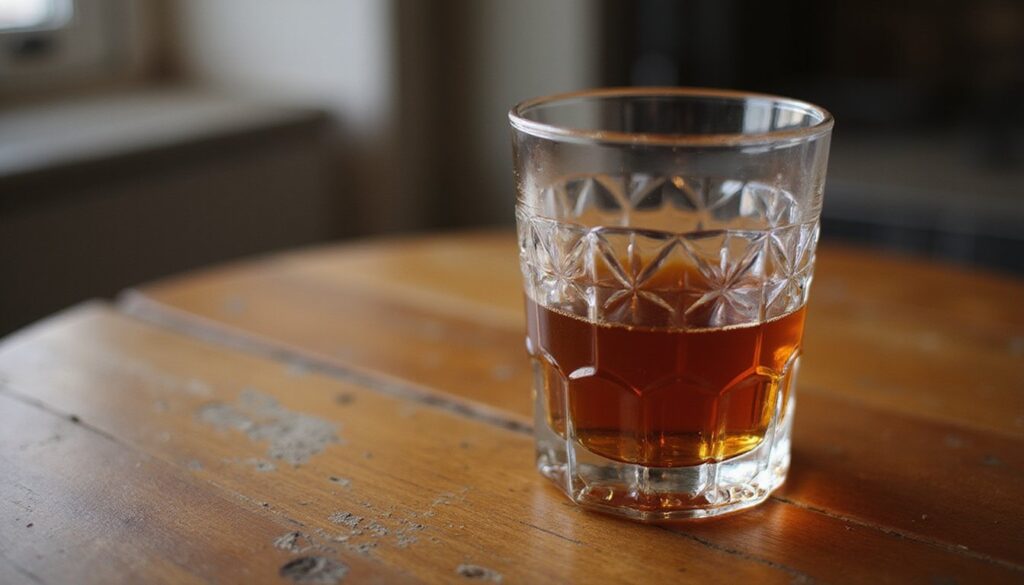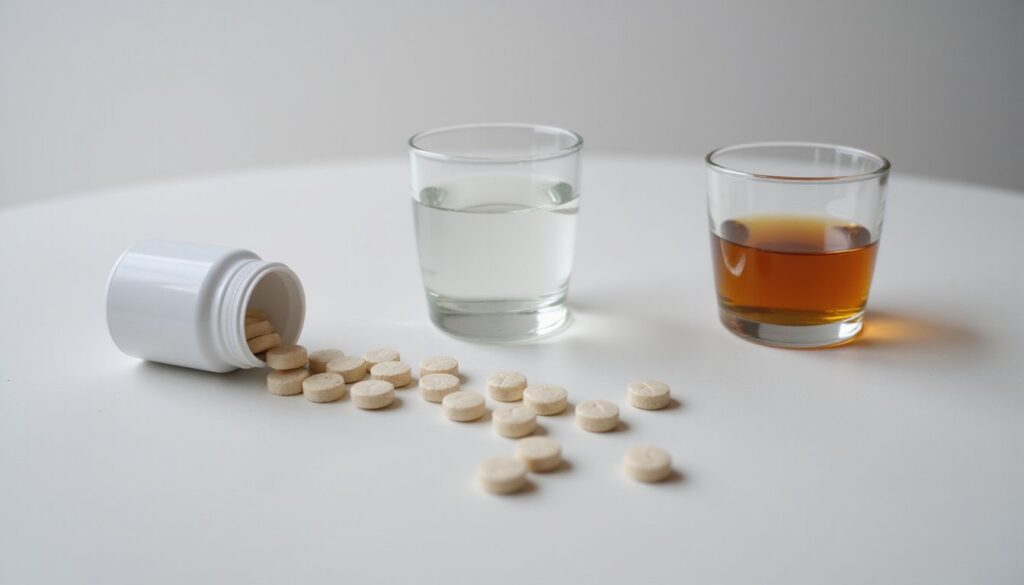
Alcohol won’t cause your UTI, but it’ll definitely make it worse. It acts as a diuretic, concentrating your urine and intensifying that burning sensation during urination. The acidic compounds directly irritate your bladder’s mucosal lining, activating pain receptors and mimicking infection symptoms. Alcohol also suppresses your immune response and promotes dehydration, both of which slow bacterial clearance and prolong recovery. Understanding how alcohol interacts with your antibiotics and timeline can help you heal faster.
Alcohol Doesn’t Cause UTIs, But It Mimics the Symptoms

Alcohol doesn’t directly cause urinary tract infections, but it can trigger symptoms that closely resemble them. When you drink, alcohol acts as a diuretic, increasing urine production while simultaneously causing dehydration. This concentrated urine irritates your bladder lining, producing burning sensations nearly identical to infection-related discomfort. Suppressed vasopressin levels cause your kidneys to release more water into urine, accelerating how quickly your bladder fills and stretches. can alcohol increase uti risk, especially for those who are already prone to urinary tract issues. It may also lead to changes in urinary pH and disrupt the natural balance of bacteria in the urinary tract. As a result, individuals should be mindful of their alcohol consumption to help mitigate any potential complications related to UTIs.
Alcohol bladder irritation UTI symptoms develop quickly, often within hours of drinking. You’ll notice increased urinary urgency, pelvic pressure, and frequent trips to the bathroom. These effects occur because compounds in alcoholic beverages inflame bladder tissue directly. Since alcohol is highly acidic, it irritates the bladder lining in ways that mimic infection symptoms.
Does alcohol make UTI worse if you’re already infected? Yes. However, distinguishing alcohol-related symptoms from actual infection matters. Alcohol and urinary urgency resolve within 24-48 hours with proper hydration, while true UTIs persist or intensify. Alcohol dehydration worsening UTI symptoms explains why rehydration accelerates recovery.
Why Alcohol Makes UTI Pain and Burning Feel Worse
When you’re battling an active UTI, consuming alcohol creates a cascade of physiological effects that intensify urinary discomfort. Alcohol’s diuretic properties trigger dehydration, concentrating your urine and heightening the burning sensation as acidic waste passes through already inflamed tissues.
Your bladder inflammation worsens because alcohol directly irritates the mucosal lining. This urinary irritation activates pain receptors throughout your urethra and bladder wall, amplifying sensations of urgency and stinging. Compounds like sulfites and congeners found in wine and dark liquors further aggravate sensitive tissues.
Alcohol also promotes a systemic inflammatory response that compounds existing UTI-related swelling. Your bladder becomes hyperreactive, and even one night of drinking can sustain heightened sensitivity for days, prolonging your recovery timeline considerably. Additionally, alcohol dulls your senses and can mask early UTI symptoms like urgency and burning, potentially delaying treatment and allowing the infection to worsen. To support healing, you should also avoid caffeinated beverages like coffee, tea, and sodas, switching to decaffeinated options instead.
Can You Drink on UTI Antibiotics?

While taking UTI antibiotics, you’ll need to understand how alcohol interacts with your specific medication before reaching for a drink. Does alcohol make a uti worse during treatment? The answer depends on your prescribed antibiotic and individual factors. the risks of drinking during antibiotic treatment can vary, but it’s generally advisable to minimize alcohol consumption to avoid potential side effects. Certain antibiotics may have more severe interactions with alcohol, leading to nausea or dizziness. Always consult your healthcare provider to ensure you’re making the safest choices for your health and recovery.
| Antibiotic | Alcohol Safety |
|---|---|
| Nitrofurantoin (Macrobid) | No direct interaction |
| Metronidazole | Severe reaction, avoid completely |
| Tinidazole | Severe reaction, avoid completely |
| Sulfamethoxazole-trimethoprim | Dangerous combination |
| Most other UTI antibiotics | Generally safe, indirect risks remain |
Even without direct interactions, alcohol impact on uti recovery occurs through immune suppression and dehydration. You’ll experience intensified uti symptoms after drinking alcohol, including alcohol and painful urination. Antibiotics rely on ideal kidney function for proper distribution, alcohol impairs this process, potentially prolonging your infection. Alcohol can also lead to dehydration, which prevents your body from effectively flushing out bacteria. It’s best to wait until your UTI symptoms have cleared and your full course of antibiotics is completed before consuming alcohol again.
How Alcohol Slows Your UTI Recovery
Beyond antibiotic interactions, your body faces multiple physiological barriers to healing when you consume alcohol during a UTI. Dehydration effects concentrate your urine, reducing your ability to flush bacteria from the urinary tract while creating ideal conditions for bacterial multiplication. Less frequent urination allows bacteria to adhere to bladder walls and proliferate unchecked.
Alcohol dehydrates your body and concentrates urine, creating the perfect environment for UTI bacteria to thrive and multiply.
Immune system suppression occurs as alcohol weakens your body’s defensive responses, impairing bacterial clearance and extending infection duration. Your white blood cells become less effective at targeting pathogens in the urinary tract. If left untreated, UTIs can lead to serious medical problems that extend beyond the initial infection site.
Bladder irritation intensifies as alcohol increases urine acidity, inflaming already damaged tissue and delaying epithelial repair. This irritation amplifies burning sensations and urgency.
These delayed recovery mechanisms compound each other, dehydration worsens irritation, suppressed immunity prolongs bacterial presence, and compromised tissue healing extends your symptom duration considerably.
How Long to Avoid Alcohol With a UTI

Since your body needs time to eliminate both the infection and process antibiotics effectively, understanding the ideal alcohol-free period helps verify complete UTI resolution.
Your typical antibiotic course spans 3-10 days, depending on the prescribed medication. During this entire duration, you should maintain complete alcohol avoidance to prevent reduced antibiotic effectiveness and prolonged infection.
After completing your antibiotic regimen, wait at least 72 hours before consuming alcohol. This recovery window allows your body to fully metabolize the medication and confirms symptom clearance. If symptoms persist beyond your treatment period, extend your avoidance until complete resolution.
Heavy drinkers face elevated complication risks and may require extended abstinence periods. Consult your physician for personalized guidance, as duration varies by antibiotic type and individual health factors. Prioritize hydration throughout your recovery timeline.
Frequently Asked Questions
Does the Type of Alcohol Matter When You Have a UTI?
Yes, the type of alcohol you drink does matter. Wine’s sulfites and high acidity irritate your bladder lining more intensely, while dark liquors contain congeners that provoke additional inflammation. However, all alcohol types act as diuretics and bladder irritants, concentrating your urine and worsening burning sensations. You’ll experience the least irritation by avoiding alcohol entirely during active infection, but if you drink, clear spirits typically cause less bladder aggravation than wine or whiskey.
Can Alcohol Trigger a UTI Recurrence After Recovery?
Yes, alcohol can trigger UTI recurrence after you’ve recovered. When you drink, you suppress your immune system’s ability to fight bacterial reinfection while simultaneously dehydrating your body. This concentrated urine creates favorable conditions for bacterial regrowth. Alcohol also irritates your bladder lining, sustaining inflammation that makes tissues more vulnerable to colonization. If you’ve recently completed antibiotics, drinking can interfere with complete bacterial eradication, increasing your risk of recurrent infection.
Will One Glass of Wine Worsen My UTI Symptoms?
Yes, even one glass of wine can worsen your UTI symptoms. Alcohol irritates your bladder lining, intensifying inflammation and increasing burning sensations during urination. Wine’s acidic properties and sulfites compound this irritation, heightening urgency and pelvic pressure. The diuretic effect concentrates your urine, amplifying discomfort. You’ll likely experience increased pain and frequency that hydration won’t fully counteract. It’s best to abstain completely until you’ve finished antibiotics and your symptoms resolve.
Does Alcohol Affect UTI Test Results or Accuracy?
Yes, alcohol can affect UTI test accuracy. If you have a UTI with fermenting organisms like Candida albicans, they can produce positive urine alcohol results without actual consumption. Bacterial contamination may also synthesize or decompose EtG markers, creating false positives or negatives. However, EtS testing remains unaffected by bacterial interference. Additionally, alcohol-induced dehydration concentrates your urine, while excessive water intake dilutes it, both scenarios can skew leukocyte, nitrite, and bacteria detection on dipstick tests.
Can Drinking Alcohol Cause a False Positive UTI Diagnosis?
Alcohol won’t cause a false positive on a urine culture, which detects actual bacteria. However, it can trigger symptoms, burning, urgency, and pelvic pressure, that mimic a UTI closely enough to prompt unnecessary testing or empirical treatment. Alcohol irritates your bladder’s urothelial lining and concentrates your urine through dehydration, producing discomfort indistinguishable from infection. If you’re experiencing symptoms after drinking, you’ll need microbial confirmation to rule out true bacterial involvement.