
When Is Outpatient Detox Not Safe? Outpatient Detox Safety Warning Signs You Need Higher Care
Outpatient detox safety, effective starting point for the right person. But it stops being safe the moment there are bigger medical or psychiatric risks, or a home situation that makes it hard to monitor symptoms and respond quickly.
That’s what this guide is for. We’ll walk through:
- How to spot the situations where outpatient detox becomes risky
- What higher levels of care look like (and why they’re not a “failure”)
- What to do next if you’re seeing red flags
When we say outpatient detox at Metro Atlanta Detox, we mean medically supported detox while you keep parts of daily life (work, family, responsibilities). It includes monitoring, symptom check-ins, and a clear plan for what to do if symptoms escalate.
What outpatient detox includes (and what it doesn’t)
Outpatient detox typically includes:
- Scheduled clinical check-ins (sometimes more frequent early on)
- Symptom tracking and withdrawal screening tools
- Medications when appropriate (based on your situation and safety)
- Hydration, nutrition, and sleep guidance
- Recovery planning so detox doesn’t become a “white-knuckle then relapse” cycle
For specific substances like Adderall or cocaine, outpatient detox can be tailored to meet individual needs. You may wonder how long does Adderall outpatient detox take? The answer varies depending on the person’s unique circumstances.
What outpatient detox usually does not include:
- 24/7 medical supervision
- Continuous vital sign monitoring
- Immediate intervention if someone suddenly deteriorates at home
The practical takeaway is simple: if there’s a real chance you could worsen quickly, outpatient is the wrong setting. That’s not about toughness or willpower. It’s about having the right level of medical coverage at the right time.
In cases where outpatient detox becomes risky due to severe health conditions or unstable home environments, it’s crucial to recognize these red flags early. This guide aims to help you identify those warning signs and understand when to seek higher levels of care which are not indicative of failure but rather a necessary step towards recovery.
When outpatient detox is not safe: the biggest red flags
Here’s the framework we use when we’re thinking about safety:
- Substance risk
- Medical risk
- Mental health risk
- Environment and safety risk
- History-of-withdrawal risk
And this part matters: one major red flag can be enough to rule out outpatient detox. We don’t say that to be strict. We say it because withdrawal can turn serious fast.
Also, please try to be as honest as you can during your assessment. A lot of people minimize symptoms because they’re embarrassed, scared, or just desperate to “handle it.” But minimizing can lead to the wrong plan, and the wrong plan can become dangerous.
Red flag #1: History of severe withdrawal (or high risk of it)
Outpatient detox is often not safe if you’ve ever had:
- Withdrawal seizures
- Delirium tremens (DTs)
- Hallucinations during withdrawal
- Severe confusion or disorientation
- Prior detox attempts that ended in an ER visit or hospitalization
Why it matters: severe withdrawal can escalate rapidly and unpredictably. In many cases, it requires inpatient monitoring because complications can become life-threatening without quick medical response.
If you’re dealing with substances like cocaine or heroin, it’s crucial to understand that these also come with their own set of risks. For instance, heroin detox can be particularly challenging and may require specialized care. Similarly, cocaine detox has its own unique symptoms and risks.
Red flag #2: Alcohol withdrawal with moderate-to-severe symptoms
Alcohol withdrawal exists on a spectrum, and it can become medically dangerous. Some people start with what feels like “just shaking and anxiety,” and then symptoms intensify.
Concerning alcohol withdrawal symptoms include:
- Uncontrolled tremors
- High fever
- Severe agitation or panic
- Confusion, disorientation
- Hallucinations
- Persistent vomiting (can’t keep fluids down)
- Chest pain
- Very high blood pressure or heart rate
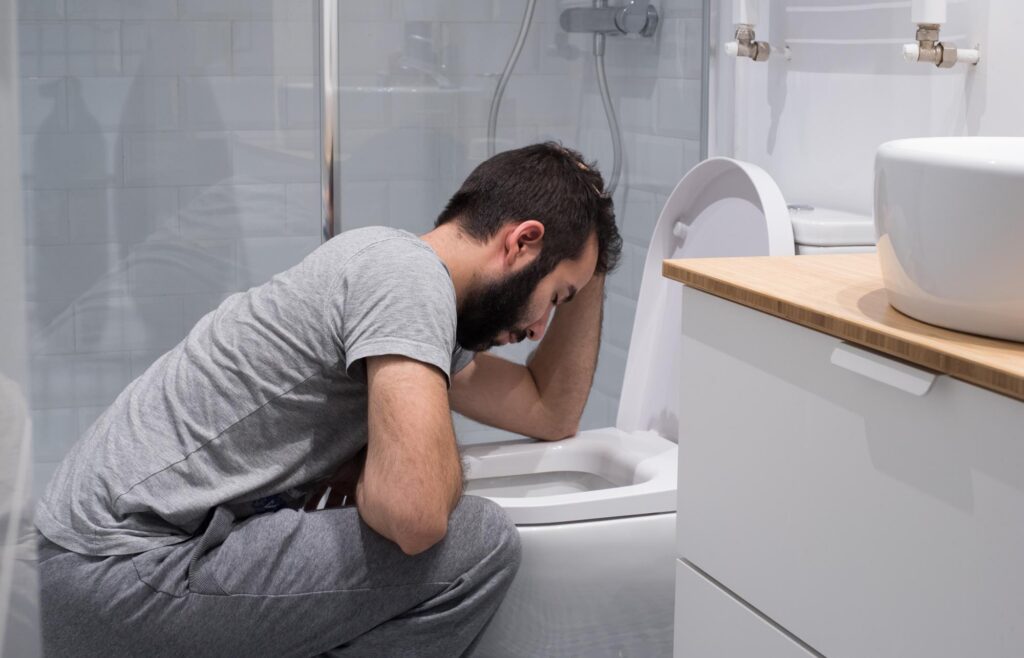
Alcohol detox is one of the most common situations where outpatient becomes unsafe quickly, especially if symptoms are already moderate or trending upward.
In such cases, it’s important to seek professional help immediately. There are various drug detox programs available that can provide the necessary support and medical supervision during this critical time.
Red flag #3: Benzodiazepine dependence without a tightly supervised taper
Benzodiazepines (like Xanax, Klonopin, and Ativan) are high risk because withdrawal can involve:
- Seizures
- Rebound anxiety and insomnia that spiral fast
- Autonomic instability (sweating, tremor, rapid heart rate, blood pressure changes)
Outpatient can be unsafe if:
- The taper is not structured and clearly supervised
- There is polysubstance use
- Adherence is uncertain (missed doses, “making up” doses, mixing with alcohol, etc.)
What “safe” usually requires is a clear taper plan, close monitoring, and a fast escalation path if symptoms spike.
Red flag #4: Opioid withdrawal with complications or unstable health
Opioid withdrawal is often described as “not usually life-threatening” in the way alcohol or benzo withdrawal can be. But it can still become unsafe due to complications like:
- Dehydration and electrolyte imbalance
- Persistent vomiting or diarrhea
- Heart issues or chest symptoms
- Pregnancy
- Other serious co-occurring conditions
Risk can be higher with fentanyl exposure, very high tolerance, past withdrawal complications, or an inability to keep fluids down.
Medication support (including medication-assisted treatment, when appropriate) can reduce risk and suffering, but it still needs real clinical oversight and a plan that fits your health profile.
Red flag #5: Polysubstance use (mixing substances)
Mixing substances increases unpredictability. Examples include:
- Alcohol + benzos
- Opioids + benzos
- Stimulants + alcohol
- Multiple prescriptions taken differently than prescribed
Withdrawal timelines can overlap and intensify. Medication choices become more complicated, and symptoms can shift quickly.
If the clinical picture is unclear or changing, outpatient detox is often not safe.
Red flag #6: Serious medical conditions that make withdrawal dangerous
Withdrawal puts stress on the body. Outpatient detox may not be safe if you have medical conditions like:
- Uncontrolled high blood pressure
- Heart disease or arrhythmias
- Liver disease
- COPD or serious asthma complications
- Seizure disorders
- Uncontrolled diabetes
Outpatient lacks 24/7 monitoring if vital signs destabilize. That’s why a full medical history and medication list are essential during screening.
Red flag #7: High suicide risk, psychosis, or unstable mental health
Detox can intensify mental health symptoms, especially early on. Outpatient detox is not safe if there are signs like:
- Suicidal thoughts (current or recent)
- Self-harm history with current risk
- Severe depression
- Mania
- Paranoia or psychosis
- Hallucinations that go beyond mild withdrawal anxiety
If there’s imminent risk, the safest move is emergency services or the ER, not outpatient detox. Safety comes first, every time.
Red flag #8: Unsafe or unsupportive home environment
Outpatient detox works best when home life is stable. It may not be safe if:
- There’s no sober support person available
- Housing is unstable
- There’s domestic violence or active conflict
- People are using substances in the home
- There’s easy access to drugs or alcohol
- Transportation and communication are unreliable
This isn’t about blame. It’s about reality: symptoms can worsen, relapse risk goes up, and response time slows down when home isn’t safe.
Additional Considerations for Heroin Detox
If you or a loved one is struggling with heroin addiction, specific detox programs such as those offered in Dunwoody, Belvedere Park, or Decatur can provide the necessary support and resources for recovery.
Red flag #9: Can’t reliably follow the outpatient plan
Outpatient detox depends on consistency. It may not be safe if someone is likely to:
- Miss appointments
- Lack transportation
- Struggle to take meds exactly as prescribed
- Have cognitive impairment or confusion
- Have work demands that prevent monitoring and check-ins
If reliability is questionable, inpatient or residential care is often the safer choice.
Substance-specific “not safe” scenarios (quick guide)
Use this as a fast scan. If something here hits close to home, it’s a sign to consider a higher level of care.
Alcohol: when we recommend a higher level of care
- History of DTs or seizures
- Heavy daily use for a long time
- Severe symptoms already present
- Significant medical issues (heart, liver, blood pressure, etc.)
- Unreliable support at home
Alcohol withdrawal can become life-threatening and may require inpatient medical detox.
Benzos (Xanax, Klonopin, Ativan): when outpatient isn’t enough
- Long-term or high-dose use
- Failed taper attempts
- Polysubstance use
- Seizure history
- Severe anxiety or insomnia driving repeated relapse
Benzo detox needs structure. A supervised taper and close monitoring are non-negotiable for safety.
Opioids (including fentanyl): when outpatient can become unsafe
- Pregnancy
- Severe dehydration, vomiting, or inability to keep fluids down
- Heart issues or chest symptoms
- Uncontrolled mental health symptoms
- High overdose risk after detox (especially with relapse risk)
Medication support and monitoring can be key safety tools when clinically appropriate.
Stimulants (cocaine/meth): when outpatient needs escalation
- Severe depression or suicidality
- Paranoia or psychosis
- Cardiovascular symptoms (chest pain, severe hypertension, irregular heartbeat)
- Inability to sleep for days
Stimulant withdrawal is often less medically dangerous than alcohol or benzos, but psychiatric and cardiac risks can make outpatient unsafe. In such cases, exploring options like outpatient detox for cocaine and prescription stimulants may be beneficial.
Prescription drugs: when complexity raises the risk
- Multiple prescriptions with unclear dosing
- Mixing prescriptions with alcohol, benzos, or opioids
- Complex medical history
- Confusing medication schedules or memory issues
In these cases, careful medication reconciliation and monitoring may require inpatient care.
What to do if outpatient detox isn’t safe (your next best options)
If outpatient isn’t the safest fit, it doesn’t mean you “failed” an evaluation. It means we’re making a smart medical decision.
Common alternatives include:
- Inpatient medical detox: 24/7 supervision, immediate support if symptoms spike
- Residential treatment: structured environment after detox for stabilization and therapy
- Partial hospitalization (PHP): intensive day treatment with strong clinical support
- Intensive outpatient (IOP): strong support while living at home, often used after stabilization
The logic is usually step-down care: stabilize first with the right level of monitoring, then transition to outpatient when your body and brain are steadier. For those who have completed detox and are ready for the next phase, our outpatient care after detox program offers a supportive transition.
How we decide: our outpatient detox safety screening process
Screening isn’t about judging you. It’s about matching you to the safest level of care.
We typically evaluate:
- Substances used, amount, frequency, and last use
- Prior withdrawal severity and detox history
- Vitals when available and current symptoms
- Medical history and current diagnoses
- Mental health history and current stability
- Current medications (including prescriptions)
- Social support, transportation, and home safety
Then we build a plan that includes clear warning signs and an escalation pathway if symptoms worsen. If you’re dealing with alcohol dependency in Bartow County, our specialized alcohol detox program can provide the necessary assistance.
Safety guardrails that make outpatient detox safer (when it is appropriate)
When outpatient detox is appropriate, guardrails are what keep it that way:
- Structured monitoring: scheduled check-ins, symptom scales, and proactive adjustments when clinically appropriate
- Clear boundaries: no mixing substances, no driving if sedated, and no trying to “tough it out” alone
- Support system: identify a sober support person when possible, and plan childcare or work coverage during peak withdrawal days
- Hydration, nutrition, and sleep basics: these reduce complications and help your body stabilize faster
- Clear “go now” rules: knowing when to seek urgent care or emergency help instead of waiting
After detox: why the next 30 days matter for safety and relapse prevention
Detox helps your body clear the substance and stabilize physically, but it doesn’t solve the deeper patterns that pull people back in. The first month after detox is where safety and relapse risk can swing either direction.
Ongoing care can include things like:
- Cognitive Behavioral Therapy (CBT) and other behavioral therapy approaches
- Support groups and structured community support
- Relapse prevention planning and real-life coping tools
- Medication-assisted treatment (MAT) for opioid addiction when appropriate
- Benzo tapering plans that reduce risk and support long-term stability
- Aftercare planning plus alumni and continued wellness support
The goal is simple: don’t just “get through withdrawal.” Build something that lasts.
A practical checklist: signs you should not try outpatient detox right now
If any of the following are true, outpatient detox may not be safe without a higher level of evaluation or care:
- Past withdrawal seizures, DTs, hallucinations, or severe confusion
- Current moderate-to-severe withdrawal symptoms (especially with alcohol)
- Benzodiazepine dependence without a clearly supervised taper plan
- Polysubstance use (mixing alcohol, benzos, opioids, stimulants, or multiple prescriptions)
- Serious or unstable medical conditions (heart issues, uncontrolled BP, liver disease, COPD/asthma complications, seizure disorders, uncontrolled diabetes)
- Suicidal thoughts, psychosis, severe depression/mania, or unstable mental health
- Unsafe home environment, no sober support, unstable housing, or violence at home
- You can’t reliably attend visits, follow instructions, or take meds as prescribed
If even one of these applies, the safest next step is a higher level of care or immediate medical evaluation depending on severity.
How to get help today (and the safest way to start)
If outpatient detox isn’t right for you, there is still a safe path forward. You don’t have to guess, and you don’t have to do this alone.
Reach out to Metro Atlanta Detox for a confidential assessment. We’ll help you figure out the safest level of care and create a medically supported plan. If outpatient detox fits your needs after evaluation we can guide you towards it. However if your safety requires more intensive treatment we can also step you into a higher level of care.
For those struggling with alcohol dependency in specific regions such as Cherokee County, Clayton County or Cobb County we offer specialized outpatient rehab programs designed to assist in achieving lasting recovery.
Call us today or request an evaluation to get clear, compassionate guidance on what to do next.