
Vicodin is a prescription pain reliever that combines hydrocodone, an opioid analgesic, with acetaminophen, a non-opioid pain reducer. It’s prescribed for moderate to severe pain when other treatments aren’t effective. Yes, Vicodin is still available in the U.S., but it’s now classified as a Schedule II controlled substance due to its high potential for abuse and addiction. This means you’ll face stricter prescribing guidelines and closer monitoring. Below, you’ll find essential information about side effects and drug interactions.
What Is Vicodin?
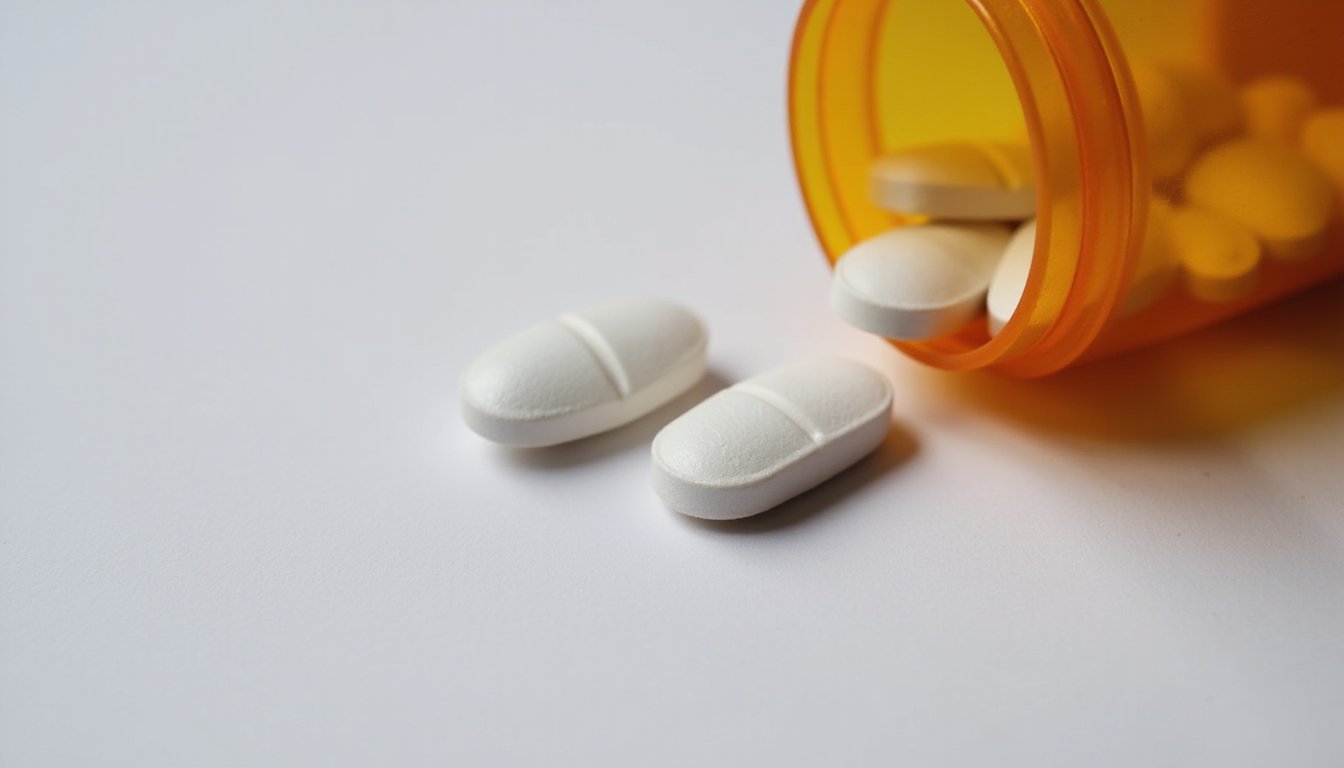
Vicodin is a prescription pain reliever that combines hydrocodone, a semisynthetic opioid, with acetaminophen. It’s classified as a Schedule II controlled substance due to its high potential for abuse and dependence.
The medication works by binding to mu-opioid receptors in your brain and spinal cord, altering how your nervous system processes pain signals. This mechanism provides effective relief for moderate to moderately severe pain. Hydrocodone also activates delta and kappa receptors, contributing to its overall analgesic effects. Because hydrocodone can be habit forming, it’s essential to take it exactly as directed by your healthcare provider.
If you’re wondering whether Vicodin is discontinued or if they still make Vicodin, the answer is yes, it remains available. Is Vicodin still prescribed? It is, though less frequently than in previous decades due to increased regulatory oversight and awareness of opioid risks. Is Vicodin still available through pharmacies? Yes, with a valid prescription from a licensed provider.
What’s in Vicodin: Hydrocodone and Acetaminophen
Each Vicodin tablet contains two active ingredients: hydrocodone bitartrate, a semisynthetic opioid derived from codeine, and acetaminophen, a non-opioid analgesic. Understanding these Vicodin ingredients helps you recognize how the medication works and its associated risks.
Hydrocodone acts as a full agonist at μ-opioid receptors in your central nervous system, blocking pain signals and reducing your perception of discomfort. It reaches peak serum levels within one hour and has an elimination half-life of four to six hours. The sedative effects can produce relaxation or euphoria, which is why the DEA reclassified generic Vicodin as a Schedule II narcotic in 2014. Because hydrocodone belongs to the group of opioid analgesics, it may become habit-forming when used for a long time.
Acetaminophen enhances pain relief through COX inhibition and serotonergic pathways while reducing fever via the hypothalamic heat-regulating center. This combination allows for lower hydrocodone doses while maintaining effectiveness.
Current formulations typically contain 300-325 mg of acetaminophen per tablet, reduced from earlier versions containing 500-750 mg due to liver toxicity concerns.
What Conditions Does Vicodin Treat?
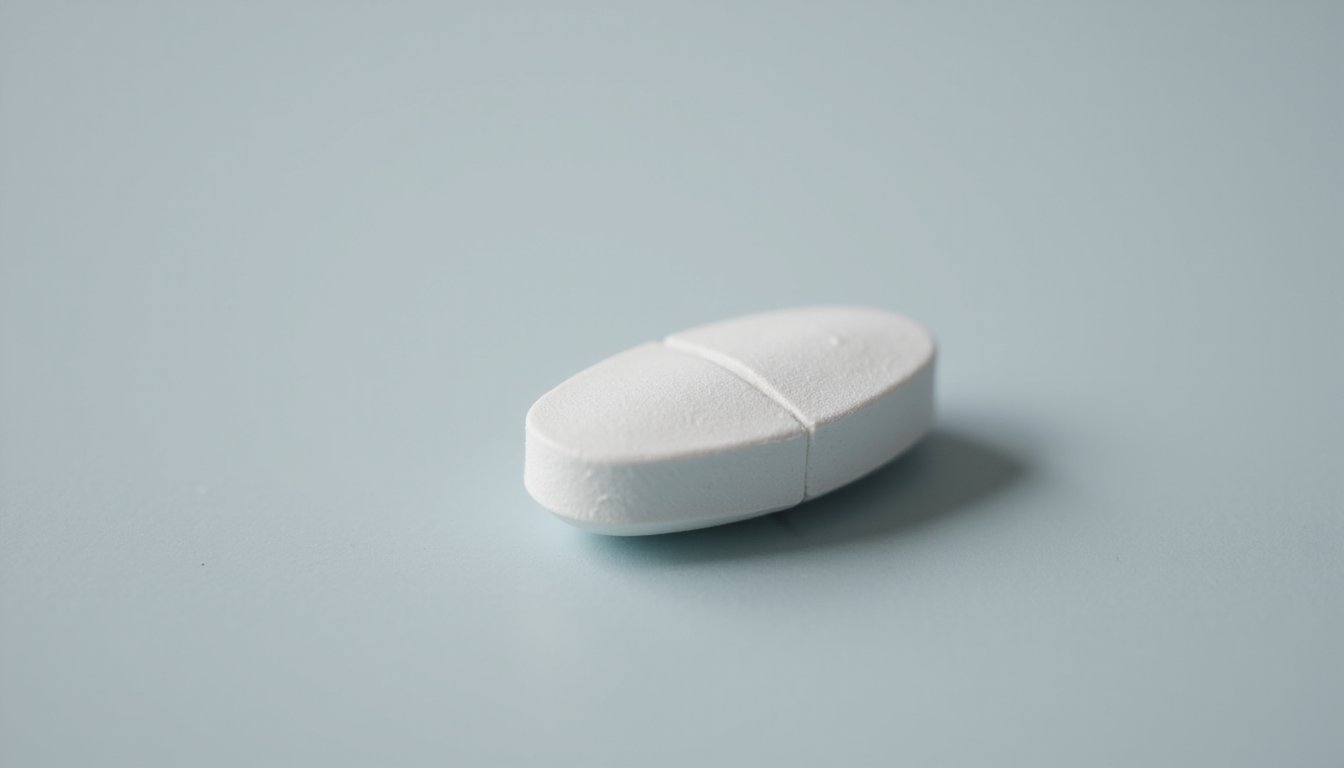
Doctors prescribe this medication primarily for moderate to severe pain that doesn’t respond adequately to non-opioid alternatives. Whether you’re taking the Vicodin brand name or a Vicodin generic version, the therapeutic applications remain identical. Doctors prescribe this medication primarily for moderate to severe pain that doesn’t respond adequately to non-opioid alternatives. Whether you’re taking the Vicodin brand name or a Vicodin generic version, the therapeutic applications remain identical, which is why norco pill identification often becomes relevant when patients are comparing prescriptions or verifying tablets across brands.
So what is Vicodin used for? Common prescribing scenarios include:
- Post-surgical recovery, Managing acute pain following operations when over-the-counter options prove insufficient
- Serious injuries and trauma, Treating pain from accidents or injuries requiring opioid-level relief
- Cancer-related pain, Addressing chronic pain in patients with advanced malignancies
The hydrocodone component also functions as a cough suppressant, though this application is less common. This is why the hydrocodone and acetaminophen combination is sometimes used as an antitussive medication. Your doctor may prescribe this combination when you can’t tolerate other pain medications or when they’ve failed to provide adequate relief. While opioid pain medications may be safe for short-term use when taken as directed, they carry a potential for misuse, dependence, and overdose.
Is Vicodin Still Prescribed in the U.S.?
Despite significant regulatory changes over the past decade, Vicodin remains available by prescription in the United States as a Schedule II controlled substance. You can still obtain this medication, though stricter controls now govern how physicians prescribe opioid medications. The DEA’s 2014 reclassification eliminated refills and requires new prescriptions for each fill.
| Year | Hydrocodone Prescriptions | Regulatory Status |
|---|---|---|
| 2011 | 144.5 million | Schedule III |
| 2016 | 93.7 million | Schedule II |
| 2024 | 47.4 million | Schedule II |
Your prescription history shows whether you’ve received Vicodin previously. Despite rumors of brand discontinuation, the medication remains dispensed at U.S. pharmacies. You’ll need a hard-copy or certified e-prescription, phone orders aren’t permitted under current federal regulations. Physicians may issue multiple prescriptions at one time to provide up to a 90-day supply, with each prescription containing written instructions for the earliest fill date. Previously, hydrocodone products were classified as Schedule III because they were combined with non-addictive ingredients like acetaminophen.
Common and Serious Side Effects of Vicodin

Understanding how Vicodin affects your body becomes important once you’ve obtained a prescription. When learning what is vicodin used for vicodin patients should also recognize potential adverse reactions.
Understanding Vicodin’s effects on your body helps you recognize potential side effects and know when to seek medical attention.
Common side effects include:
- Drowsiness and dizziness that often resolve as your body adjusts
- Nausea affecting up to 40% of users, with vomiting occurring in approximately 25%
- Constipation ranking among the most frequent complaints
You may also experience blurred vision, confusion, or headaches during treatment. Long-term use of the medication may also lead to unpredictable mood changes, including anxiety, depression, or feelings of uneasiness.
Serious side effects require immediate medical attention. Slowed or stopped breathing poses the greatest risk, particularly during your first 24-72 hours of treatment. Liver damage can occur with high acetaminophen doses. Watch for severe skin reactions, loss of consciousness, or bluish skin discoloration, these indicate a potential overdose requiring emergency care. Respiratory depression, increased head pressure, and acute abdominal problems are also listed among the rare but serious side effects that warrant immediate medical evaluation.
Medications That Interact With Vicodin
Several medication categories can cause dangerous interactions when combined with Vicodin, making it essential to disclose all drugs you’re taking to your healthcare provider. Several medication categories can cause dangerous interactions when combined with Vicodin, making it essential to disclose all drugs you’re taking to your healthcare provider, especially when comparing norco vs vicodin medication use, since both contain hydrocodone and acetaminophen and share similar interaction risks.
CNS depressants pose significant risks. Benzodiazepines like Xanax, sedatives such as Ambien, and even alcohol can cause life-threatening respiratory depression when mixed with Vicodin. Antihistamines like Benadryl amplify sedation and cognitive impairment.
Combining Vicodin with other opioids dramatically increases overdose risk. Antidepressants, including SSRIs, SNRIs, and MAOIs, may trigger serotonin syndrome, seizures, or dangerous blood pressure changes. Symptoms of serotonin syndrome include sweating, confusion, and hallucinations.
Certain antibiotics and antifungals inhibit Vicodin’s metabolism, elevating overdose potential. Macrolides like erythromycin and antifungals such as ketoconazole prolong hydrocodone’s presence in your system. Fluoroquinolone antibiotics can also inhibit hydrocodone metabolism, leading to higher drug concentrations in the body.
Cardiovascular medications, including beta-blockers and blood thinners, can cause irregular heartbeat or low blood pressure. Always consult your doctor before combining any medications with Vicodin.
Frequently Asked Questions
Why Was the Vicodin Brand Discontinued in the United States?
The Vicodin brand was discontinued because its original formulations contained 500, 750 mg of acetaminophen per tablet, exceeding the FDA’s 2011 mandate limiting prescription combination pain relievers to 325 mg per dose. This change aimed to reduce your risk of severe liver injury from acetaminophen overdose. Abbott reformulated the product briefly, but ultimately stopped marketing the brand entirely by 2014. You can still find generic hydrocodone-acetaminophen combinations that meet current safety standards.
How Does Vicodin Differ From Norco and Lortab?
All three medications contain hydrocodone and acetaminophen, but they differ in formulation and acetaminophen content. You’ll find Vicodin and Norco as tablets, while Lortab is only available as a liquid syrup containing 7% alcohol. Vicodin contains 300 mg acetaminophen per tablet, whereas Norco contains 325 mg. This acetaminophen difference matters for your liver health, especially if you’re taking higher doses or consuming alcohol. All three medications contain hydrocodone and acetaminophen, but they differ in formulation and acetaminophen content. You’ll find Vicodin and Norco as tablets, while Lortab is only available as a liquid syrup containing 7% alcohol. Vicodin contains 300 mg acetaminophen per tablet, whereas Norco contains 325 mg, a distinction that often leads patients to ask is vicodin same as hydrocodone when comparing brand names versus the actual opioid component. This acetaminophen difference matters for your liver health, especially if you’re taking higher doses or consuming alcohol.
Is Vicodin Available Over the Counter in Any Country?
No, you can’t purchase Vicodin over the counter in any country. As a hydrocodone/acetaminophen combination, it’s classified as a controlled substance requiring a prescription due to its opioid potency and abuse potential. While some countries allow low-dose codeine products OTC under strict conditions, higher-dose opioids like Vicodin remain prescription-only worldwide. You should avoid any unregulated sources, as counterfeit medications pose serious safety risks.
Can Vicodin Be Prescribed for Cough Suppression?
Vicodin isn’t typically prescribed for cough suppression. While its hydrocodone component does suppress coughs by acting on opioid receptors in the brain’s cough center, doctors generally choose hydrocodone formulations specifically designed for cough relief instead. These include combinations with homatropine (Hycodan) or guaifenesin. If you’re experiencing persistent cough, your provider will likely prescribe a dedicated antitussive formulation rather than Vicodin, which is formulated primarily for pain management.
How Long Has Vicodin Been a Controlled Substance?
Vicodin has been a controlled substance since the Controlled Substances Act took effect in 1970, over 55 years. Initially, hydrocodone combination products like Vicodin fell under Schedule III. However, in October 2014, the DEA rescheduled them to Schedule II due to high abuse potential and overdose risks. This reclassification considerably tightened prescribing requirements. You’ll find that prescriptions have declined markedly since then as regulations became more restrictive.