
Vicodin isn’t a separate drug from hydrocodone, it’s a brand name for a combination medication containing hydrocodone and acetaminophen. When you’re prescribed Vicodin, you’re getting 5 mg of hydrocodone paired with 300 mg of acetaminophen. Other brands like Norco and Lortab contain the same active ingredients with slight variations in acetaminophen content. Understanding these distinctions helps you track your medication intake and avoid potential liver damage from excess acetaminophen. Vicodin isn’t a separate drug from hydrocodone, it’s a brand name for a combination medication containing hydrocodone and acetaminophen. When you’re prescribed Vicodin, you’re getting 5 mg of hydrocodone paired with 300 mg of acetaminophen, a distinction often clarified when comparing norco vs vicodin medication options. Other brands like Norco and Lortab contain the same active ingredients with slight variations in acetaminophen content. Understanding these differences helps you track your medication intake accurately and avoid potential liver damage from excess acetaminophen.
Vicodin Is Just a Brand Name for Hydrocodone
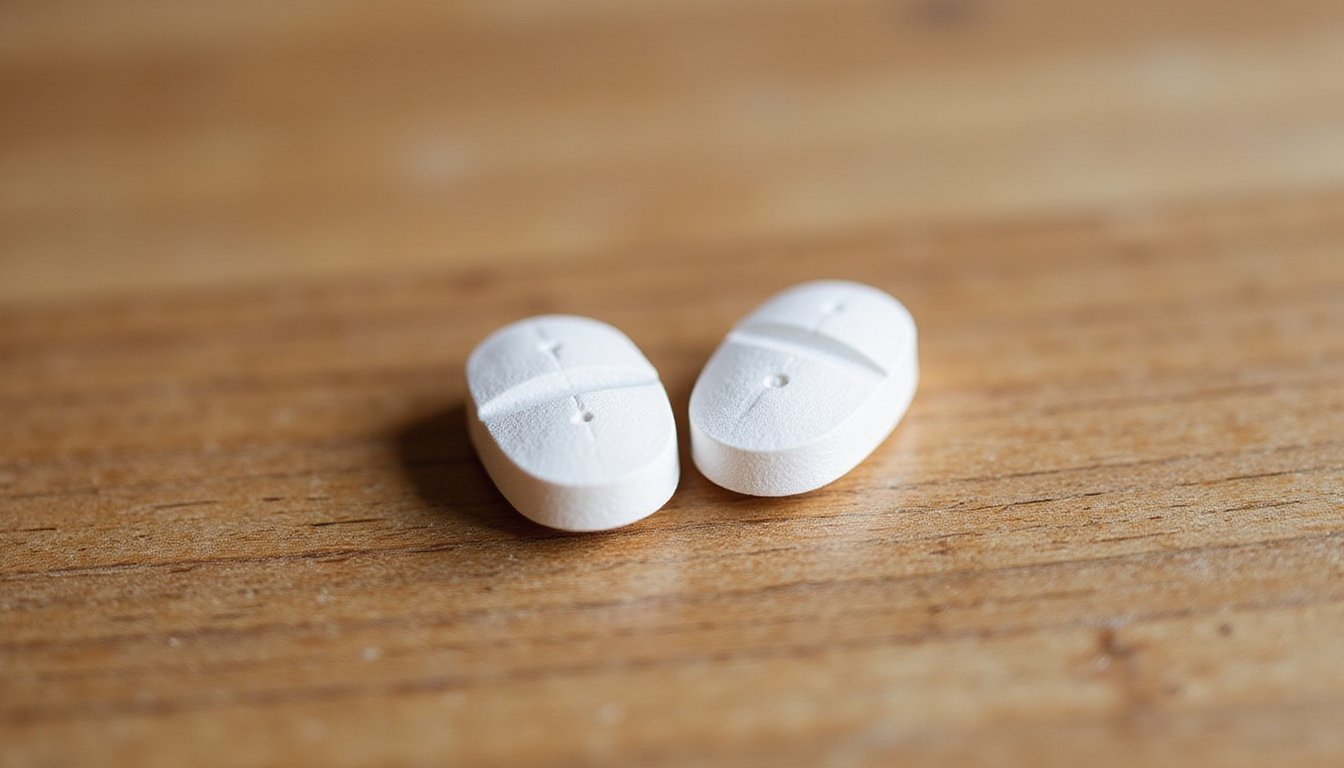
When you see Vicodin on a prescription label, you’re looking at a brand name for a combination medication containing hydrocodone and acetaminophen. The original Vicodin products came in three strengths, Vicodin, Vicodin ES, and Vicodin HP, each with different hydrocodone acetaminophen ratios.
You won’t find brand-name Vicodin on pharmacy shelves today. The manufacturer discontinued the original formulations in May 2012, and reformulated versions were later replaced by generics. Now, pharmacies dispense these medications as hydrocodone/acetaminophen or hydrocodone/APAP. The reformulated version contained 300 mg of acetaminophen per tablet, a reduction from previous formulations.
Other discontinued brands like Norco, Lortab, and Lorcet contained the same active ingredients. Current brands including Xodol and Verdrocet have taken their place. Regardless of the label, you’re receiving hydrocodone combined with acetaminophen when your prescription calls for these medications. The hydrocodone component works by binding to mu opioid receptors in the brain, which alters how you perceive and respond to pain.
What’s Actually in a Vicodin Tablet?
When you look at a Vicodin tablet, you’re getting two active ingredients working together: hydrocodone bitartrate as the opioid component and acetaminophen as a non-opiate pain booster. The hydrocodone content varies by formulation, 5 mg in standard Vicodin, 7.5 mg in Vicodin ES, and 10 mg in Vicodin HP. Since 2011, FDA regulations have capped acetaminophen at 325 mg per tablet to reduce the risk of liver toxicity. As a Schedule III controlled substance, Vicodin carries potential for abuse and diversion similar to other opioid medications. Hydrocodone works as a full mu-opioid receptor agonist, providing pain relief without a ceiling effect on its analgesic properties.
Hydrocodone Active Ingredient
Although Vicodin carries a familiar brand name, the medication’s core component is hydrocodone bitartrate, a semi-synthetic opioid that serves as the tablet’s primary active ingredient. Each standard Vicodin tablet contains 5 mg of hydrocodone bitartrate, which binds to opioid receptors in your central nervous system to decrease pain perception. Vicodin also contains 300 mg of acetaminophen, which works alongside hydrocodone to enhance pain relief.
Hydrocodone is derived from codeine or thebaine and functions as a prodrug. Your liver converts it to hydromorphone through the CYP2D6 enzyme pathway. When you take a 10 mg oral dose, you’ll reach peak blood concentrations of approximately 23.6 ng/mL within 1.3 hours. The drug’s half-life runs about 3.8 hours, which explains why analgesic effects typically last 3-6 hours. Understanding that hydrocodone powers Vicodin helps you recognize the medication’s therapeutic mechanism and scheduling classification. Due to hydrocodone’s high potential for abuse and addiction, Vicodin is classified as a Schedule II controlled substance.
Acetaminophen Pain Booster
Every Vicodin tablet pairs hydrocodone with acetaminophen, a non-opioid analgesic that amplifies pain relief through a distinct mechanism. While hydrocodone targets opioid receptors, acetaminophen inhibits prostaglandin synthesis, creating a synergistic effect that enhances overall analgesia.
Acetaminophen’s role in Vicodin isn’t passive. This crystalline compound, chemically known as 4′-hydroxyacetanilide, works as both an analgesic and antipyretic. Your liver metabolizes it primarily through glucuronide and sulfate conjugation pathways, with approximately 85% excreted in urine within 24 hours. To protect liver function, your daily acetaminophen intake should not exceed 4g.
The combination matters for your treatment. By pairing hydrocodone with acetaminophen, prescribers can achieve effective pain relief at lower opioid doses. You’ll find varying acetaminophen amounts across Vicodin formulations: standard Vicodin contains 500 mg, Vicodin ES has 750 mg, and Vicodin HP includes 660 mg per tablet. Acetaminophen is also available in other forms, including rectal suppositories in strengths of 80mg, 120mg, 325mg, and 650mg for patients who cannot take oral medications.
Available Tablet Strengths
Because Vicodin formulations contain fixed drug ratios, understanding what’s in each tablet helps you verify your prescription matches what’s intended.
When comparing hydrocodone vs Vicodin, you’re looking at the same opioid in different packaging. The vicodin generic name is hydrocodone/acetaminophen, and three standard strengths exist:
- Vicodin 5/300 mg: 5 mg hydrocodone with 300 mg acetaminophen
- Vicodin ES 7.5/300 mg: 7.5 mg hydrocodone with 300 mg acetaminophen
- Vicodin HP 10/300 mg: 10 mg hydrocodone with 300 mg acetaminophen
While brand names like Vicodin and Norco have been discontinued, generic versions remain widely available. Some generics contain 325 mg acetaminophen instead of 300 mg. You’ll find tablets marked with imprints like M366, T257, or G036, each indicating specific manufacturer and strength combinations. While brand names like Vicodin and Norco have been discontinued, generic versions remain widely available, which often leads patients to ask Is vicodin still available when filling prescriptions today. Some generics contain 325 mg of acetaminophen instead of 300 mg, and you’ll find tablets marked with imprints like M366, T257, or G036, each indicating specific manufacturer and strength combinations.
The usual adult dosage is one to two tablets every 4-6 hours, but patients should never increase the dosage or frequency without consulting their doctor first. Due to its classification as a Schedule II controlled substance, prescriptions are limited to a maximum of 90 days with only a 30-day supply dispensed at a time.
Other Brand Names: How Norco and Lortab Compare
When you see Norco on a prescription, you’re getting a tablet with slightly more acetaminophen (325 mg) per dose compared to some Vicodin formulations that contain 300 mg. Lortab differs from both because it’s available only as a liquid syrup containing 7% alcohol, which matters if you’re avoiding alcohol-based medications. Your prescriber selects among these brands based on your specific dosing needs, ability to swallow tablets, and any contraindications to alcohol or higher acetaminophen intake. Regardless of which brand you receive, all these medications combine hydrocodone and acetaminophen to combat pain in different ways, with hydrocodone blocking pain signals and acetaminophen reducing pain-increasing chemicals in the body. While the active ingredients remain consistent across brands, the filler ingredients, size, shape, and color of the tablets may vary slightly between manufacturers.
Norco’s Higher Acetaminophen Content
Norco tablets consistently contain 325 mg of acetaminophen per tablet, regardless of whether you’re taking the 5 mg, 7.5 mg, or 10 mg hydrocodone strength. This Norco acetaminophen content exceeds Vicodin’s current 300 mg formulation by 25 mg per dose.
Understanding the hydrocodone acetaminophen brand name differences matters for your safety. Here’s how Norco’s strengths break down:
- Norco 5/325: 5 mg hydrocodone with 325 mg acetaminophen
- Norco 7.5/325: 7.5 mg hydrocodone with 325 mg acetaminophen
- Norco 10/325: 10 mg hydrocodone with 325 mg acetaminophen
The opioid classification remains identical across all formulations, Schedule II controlled substance. However, the higher acetaminophen content increases liver toxicity risk, particularly if you have liver disease or consume alcohol. You shouldn’t exceed 4,000 mg of acetaminophen daily. These medications are no longer available under their original brand names, but generic versions still exist and are labeled as hydrocodone and acetaminophen or hydrocodone/APAP.
Lortab Formulation Differences
Another hydrocodone/acetaminophen brand name you’ll encounter is Lortab, which shares the same active ingredient profile as Norco. You’ll find Lortab available in 5/325, 7.5/325, and 10/325 strengths, identical to Norco’s lineup. The first number indicates hydrocodone milligrams, while the second represents acetaminophen content.
What differs between these brands are the inactive ingredients. Each manufacturer uses distinct fillers, coatings, colors, and flavorings in their tablets. You’ll notice variations in tablet size, shape, and appearance. However, these differences don’t affect therapeutic outcomes.
When your prescription specifies Lortab 10/325 or Norco 10/325, you’re receiving the same active medication. Both brands are now available only as generics, though prescribers still reference these names. Understanding this equivalence helps you navigate prescription changes without concern. Since both contain acetaminophen, which is found in many over-the-counter products, you should monitor your total daily dose to avoid exceeding safe limits. Because hydrocodone is an opioid, long-term use may become habit-forming, so take this medication only as directed by your doctor.
Choosing Between Brand Options
Selecting between Norco and Lortab involves understanding a key formulation distinction: Norco comes exclusively as tablets, while Lortab is available only as a liquid syrup. When you’re asking “is vicodin hydrocodone” or “is hydrocodone the same as vicodin,” remember these brand options all contain the same active ingredients but differ in delivery method. Selecting between Norco and Lortab involves understanding a key formulation distinction: Norco comes exclusively as tablets, while Lortab is available only as a liquid syrup. This comparison naturally leads into norco vs vicodin, especially when you’re asking “is Vicodin hydrocodone” or “is hydrocodone the same as Vicodin,” since these brand options all contain the same active ingredients but differ in delivery method, dosing formats, and brand naming rather than pharmacologic effect.
Consider these factors when discussing options with your prescriber:
- Swallowing ability: Lortab syrup suits patients who can’t tolerate tablets
- Alcohol content: Lortab contains 7% alcohol, which affects certain patients
- Dosing precision: Tablets offer fixed amounts while syrup allows measured adjustments
Generic medications containing hydrocodone-acetaminophen provide equivalent therapeutic effects at lower costs. Your healthcare provider determines which formulation best addresses your specific pain management needs while minimizing safety risks.
Why Acetaminophen Gets Paired With Hydrocodone
When pharmaceutical companies formulate Vicodin and similar medications, they pair hydrocodone with acetaminophen to enhance pain relief through complementary mechanisms. Hydrocodone binds to opioid receptors while acetaminophen inhibits prostaglandin synthesis in your central nervous system. This dual-action approach delivers stronger relief than either drug alone.
If you’re wondering is hydrocodone the same as Vicodin or is Vicodin hydrocodone, understand that Vicodin contains hydrocodone plus acetaminophen. What’s another name for hydrocodone combinations? Lortab and Norco use identical pairings. Is hydrocodone and Vicodin the same thing? Hydrocodone is the opioid component within Vicodin’s formulation.
This combination allows lower doses of each ingredient while maintaining effectiveness. However, you must monitor acetaminophen intake carefully, consuming additional acetaminophen-containing products risks liver toxicity. Always verify total daily acetaminophen amounts with your healthcare provider.
How Hydrocodone Stops Pain Signals in Your Body

Because hydrocodone acts as a full opioid agonist, it stops pain signals by binding primarily to mu-opioid receptors in your central nervous system. This binding triggers several key responses that reduce your perception of pain.
How hydrocodone interrupts pain transmission:
- Blocks neurotransmitter release, It inhibits substance P, preventing pain signals from traveling from your peripheral nerves to your brain.
- Suppresses neuronal activity, It reduces adenylyl cyclase enzyme activity, lowering cAMP levels and decreasing your neurons’ ability to transmit pain.
- Strengthens natural pain control, It enhances descending inhibitory pathways from your brainstem, boosting endogenous opioid release.
Your liver metabolizes hydrocodone into hydromorphone via CYP2D6, which intensifies the analgesic effect. You’ll typically feel pain relief within 10-15 minutes, with peak effects occurring at 30-60 minutes.
Vicodin Dosages: 5 Mg, 7.5 Mg, and 10 Mg Options
Three standard Vicodin dosages exist, each combining hydrocodone bitartrate with acetaminophen at different strength ratios. You’ll find these options prescribed based on your pain severity and treatment history.
| Dosage | Hydrocodone | Acetaminophen |
|---|---|---|
| Low | 5 mg | 300-325 mg |
| Medium | 7.5 mg | 325 mg |
| High | 10 mg | 300 mg |
Earlier formulations contained 500-750 mg acetaminophen, but manufacturers reformulated products to reduce liver toxicity risks. You should know that Vicodin HP represents the higher-strength 10 mg variant, typically reserved for postoperative, trauma, or cancer pain.
Your prescriber selects dosages based on pain intensity and your response to treatment. The acetaminophen component allows lower hydrocodone doses while maintaining pain relief, though you must monitor total daily acetaminophen intake to protect liver function.
Vicodin vs. Percocet: Which Hydrocodone Alternative Is Stronger?
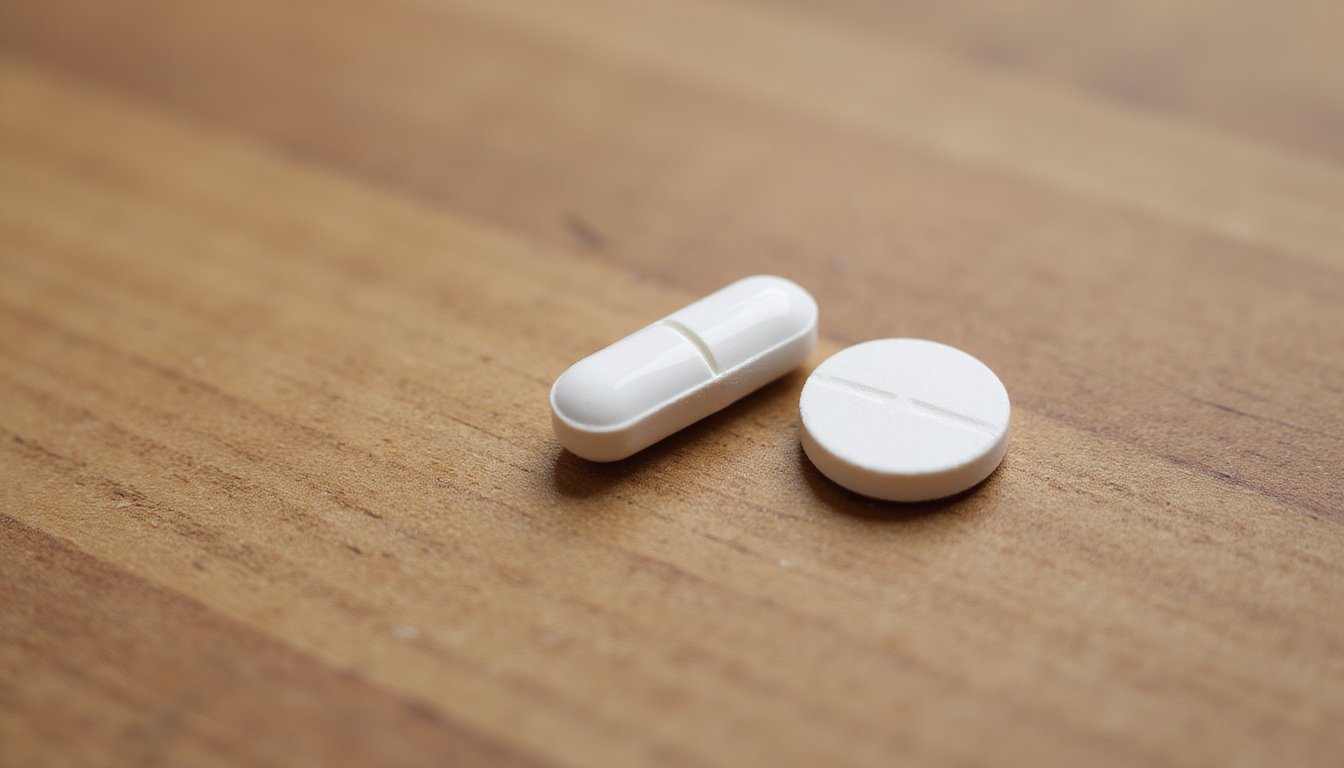
Vicodin and Percocet both combine acetaminophen with an opioid, but they contain different active ingredients that affect their relative strength. Vicodin contains hydrocodone, while Percocet contains oxycodone. Research shows oxycodone is approximately 1.5 times more potent than hydrocodone at equal doses.
Key differences you should know:
- Percocet’s oxycodone delivers stronger pain relief, making it suitable for severe pain and post-surgical recovery.
- Vicodin’s hydrocodone treats moderate pain effectively with slightly lower potency.
- Both carry Schedule II classification due to high abuse potential, though Percocet presents greater dependence risk.
Your prescriber selects between these medications based on pain severity. Don’t assume they’re interchangeable, the strength difference matters for your safety and treatment outcomes. Always follow your prescribed dosage exactly.
Frequently Asked Questions
Can I Get Hydrocodone Without Acetaminophen in My Prescription?
Yes, you can get hydrocodone without acetaminophen through Zohydro ER, the only FDA-approved single-entity hydrocodone product. It’s available in extended-release capsules (10mg, 20mg, 30mg, and 40mg strengths) and features abuse-deterrent technology. This option eliminates acetaminophen-related liver toxicity concerns, making it suitable if you need long-term opioid therapy. You’ll need to discuss this alternative with your prescriber, as it requires Schedule II prescription protocols under the Opioid Analgesic REMS program.
How Long Does Hydrocodone Stay Detectable in Drug Tests?
Hydrocodone’s detection window varies by test type. You’ll test positive in urine for 2-4 days, while blood tests detect it for only 9-24 hours. Saliva testing identifies hydrocodone for 12-36 hours after your last dose. Hair tests offer the longest window, up to 90 days. Your detection time depends on dosage, frequency of use, metabolism, and the test’s sensitivity threshold. Always disclose prescribed medications before testing.
Is Generic Vicodin as Effective as the Brand Name Version?
Generic Vicodin works just as effectively as the brand-name version. You’re getting identical active ingredients, hydrocodone and acetaminophen, in the same strengths and ratios. Both formulations share matching half-lives and produce comparable pain relief for moderate to severe pain. The FDA requires generics to meet strict bioequivalence standards, so you shouldn’t notice any difference in how well the medication controls your pain or in the side effects you experience.
Why Do Pharmacies Sometimes Substitute Norco When I Request Vicodin?
Pharmacies substitute Norco for Vicodin because both contain identical active ingredients, hydrocodone and acetaminophen. After the FDA’s 2011 mandate limiting acetaminophen to 325 mg per tablet, Norco generics became widely available and compliant with safety standards. You’re receiving the same pain-relieving medication; only the brand name differs. This substitution protects your liver from excessive acetaminophen exposure while ensuring you get equivalent therapeutic effects for your pain management.
Does Hydrocodone Appear Differently on Prescription Labels in Other Countries?
Yes, hydrocodone appears differently on prescription labels depending on the country. In the United States, you’ll see brand names like Vicodin, Norco, or Zohydro ER, while Canada uses Hycodan. European labels rarely feature hydrocodone since regulators prefer alternatives like dihydrocodeine. You should also note that some countries require Tallman lettering (HYDROcodone) to prevent confusion with oxycodone. Always verify your medication’s labeling requirements before traveling internationally with prescriptions.