
Norco and Vicodin deliver equal hydrocodone strength when you’re comparing the same milligram doses, both come in 5 mg, 7.5 mg, and 10 mg options. The key difference is acetaminophen content: Norco contains 325 mg per tablet while Vicodin contains 300 mg. This 25 mg gap might seem minor, but it adds up across multiple daily doses. Understanding how these formulation differences affect your liver health and overall safety requires examining the details below.
Norco vs Vicodin: The Acetaminophen Difference
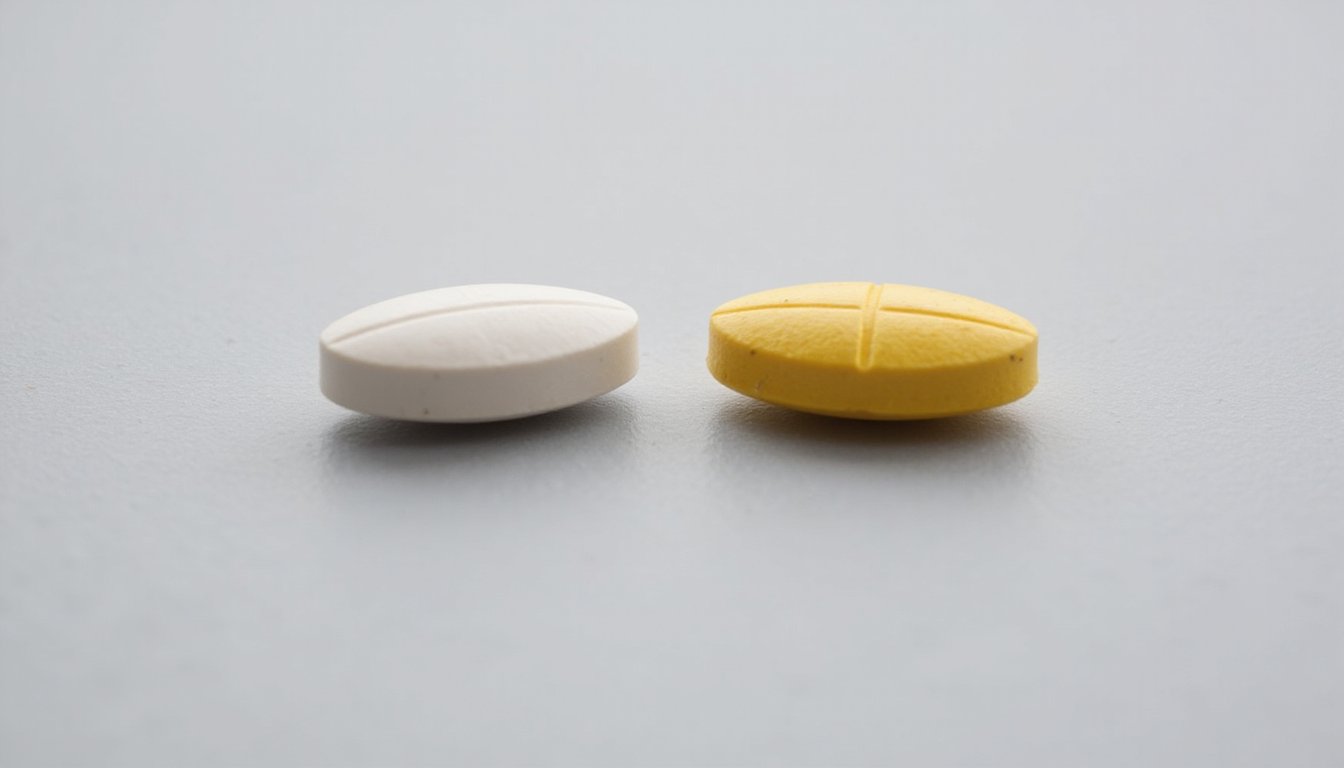
The acetaminophen content separates Norco from Vicodin at the formulation level. Norco contains 325 mg of acetaminophen per tablet, while Vicodin contains 300 mg. This 25 mg difference applies across all strength variations of both medications.
When comparing norco vs vicodin, you’ll find that norco 5 mg pairs with 325 mg acetaminophen, whereas Vicodin 5 mg pairs with 300 mg. This pattern continues through the 7.5 mg and 10 mg hydrocodone strengths.
The acetaminophen content matters if you’re taking other medications containing acetaminophen. Original Vicodin formulations contained up to 750 mg acetaminophen, but manufacturers reformulated to reduce liver toxicity risks. Both medications now maintain lower, standardized acetaminophen levels while delivering identical hydrocodone doses at each corresponding strength tier. Mixing either medication with alcohol or other substances that affect the liver increases the risk of liver injury. The shape and size of generic tablets for both medications can vary depending on the manufacturer and strength.
Why 25 Mg More Acetaminophen Matters for Your Liver
Acetaminophen’s 25 mg difference between Norco and Vicodin becomes significant when you’re taking multiple doses daily. At six doses per day, you’re consuming 150 mg more acetaminophen with Vicodin than with Norco. This accumulation matters because maximum daily acetaminophen limits cap at 4,000 mg, with many experts recommending 3,000 mg to protect liver function.
The mechanism of liver toxicity involves your body producing NAPQI, a harmful metabolite that damages hepatocytes when glutathione stores deplete. Even therapeutic doses can elevate liver enzymes over time. Acetaminophen overdose is the leading cause of acute liver failure in the United States. Certain factors increase your vulnerability, including alcohol use, concurrent medications, and pre-existing liver or kidney impairment.
Your prevention and treatment options start with choosing formulations that minimize acetaminophen exposure while meeting pain management needs. If you’re taking multiple daily doses, Norco’s lower acetaminophen content provides a wider safety margin, reducing your cumulative hepatotoxicity risk.
Hydrocodone Doses Available in Norco and Vicodin
When comparing Norco and Vicodin, you’ll find both medications offer hydrocodone in three strength options: 5 mg, 7.5 mg, and 10 mg per tablet. Vicodin’s lineup includes standard (5-300), ES (7.5-300), and HP (10-300) formulations, while Norco provides 5-325, 7.5-325, and 10-325 varieties. Your prescriber selects the appropriate strength based on your pain severity, treatment response, and individual medical factors. Both medications should be taken every 4-6 hours as needed for pain relief. Since the hydrocodone content remains identical across both brands, their potency is comparable at matching dose levels.
Vicodin Strength Options
Vicodin comes in three distinct strength tiers, each pairing a different hydrocodone dose with 300 mg acetaminophen. Vicodin comes in three distinct strength tiers, each pairing a different hydrocodone dose with 300 mg of acetaminophen, a distinction that often prompts questions around Hydrocodone vs vicodin when comparing strength, formulation, and prescribing terminology rather than differences in the underlying opioid itself.
- Vicodin standard strength formulation contains 5 mg hydrocodone. You can take 1, 2 tablets every 4, 6 hours, with a maximum of 8 tablets daily.
- Vicodin extra strength formulation delivers 7.5 mg hydrocodone, a 50% increase over standard strength. You’re limited to 1 tablet every 4, 6 hours, not exceeding 6 tablets per day.
- Vicodin high potency formulation provides 10 mg hydrocodone, doubling the opioid content of standard Vicodin. Dosing follows the same 1 tablet every 4, 6 hours schedule with a 6-tablet daily cap.
Earlier formulations contained higher acetaminophen levels (500, 750 mg), but manufacturers reduced this to 300 mg to minimize liver toxicity risk. Acetaminophen may cause liver damage when taken in large doses, which is why monitoring total daily intake from all medications is essential. As a schedule II controlled substance, hydrocodone carries significant risk for misuse and addiction, requiring close monitoring by healthcare providers.
Norco Dosage Varieties
Norco tablets come in three primary hydrocodone strengths, 5 mg, 7.5 mg, and 10 mg, each paired with either 300 mg or 325 mg of acetaminophen. Understanding what strength does Norco come in helps you discuss pain medication formulations with your prescriber. Norco tablets come in three primary hydrocodone strengths, 5 mg, 7.5 mg, and 10 mg, each paired with either 300 mg or 325 mg of acetaminophen. Understanding these options clarifies how norco pain med formulations are structured and helps you have a more informed discussion with your prescriber about appropriate dosing and pain control.
| Norco Dosage Strengths | Acetaminophen Content |
|---|---|
| 5 mg hydrocodone | 300 mg or 325 mg |
| 7.5 mg hydrocodone | 300 mg or 325 mg |
| 10 mg hydrocodone | 300 mg or 325 mg |
Your physician selects the appropriate strength based on pain severity and your response to treatment. The 5/325 formulation allows up to 8 tablets daily, while the 7.5/325 and 10/325 versions cap at 6 tablets per day. These limits protect you from exceeding 4 grams of daily acetaminophen, reducing liver toxicity risk. The risk of hepatotoxicity increases when patients have underlying liver disease, consume alcohol, or use multiple acetaminophen-containing products simultaneously. Because Norco contains the highest amount of acetaminophen at 325 mg compared to other hydrocodone formulations, monitoring your total daily acetaminophen intake is especially important.
Is Norco 10/325 Stronger Than Vicodin HP 10/300?
When comparing Norco 10/325 to Vicodin HP 10/300, you’ll find both contain identical amounts of hydrocodone at 10 mg, making their primary analgesic potency equivalent. The key difference lies in acetaminophen content, where Norco delivers 325 mg compared to Vicodin HP’s 300 mg, a 25 mg variance that provides minimal additional pain relief. Overall, neither formulation is meaningfully stronger than the other since hydrocodone serves as the dominant pain-relieving component in both medications. Both medications work by altering how the brain perceives pain, mimicking the body’s natural endorphins to provide relief.
Hydrocodone Content Comparison
Both Norco 10/325 and Vicodin HP 10/300 contain identical amounts of hydrocodone bitartrate, exactly 10 mg per tablet. When comparing hydrocodone dosage strengths, these formulations deliver equivalent opioid potency. The question “is Norco stronger than hydrocodone” reflects a common misunderstanding, Norco contains hydrocodone, so you’re comparing two products with the same active opioid.
The key differences lie in hydrocodone ratios relative to acetaminophen:
- Norco 10/325 provides a 1:32.5 hydrocodone-to-acetaminophen ratio
- Vicodin HP 10/300 offers a 1:30 ratio with slightly less acetaminophen
- Both formulations exceed lower-strength variants like 5 mg or 7.5 mg options
These 10 mg formulations represent the highest available hydrocodone dosage strengths in their respective product lines, providing comparable analgesic effects lasting 3-6 hours. Both medications share the same side effects, including anxiety, drowsiness, nausea, and constipation.
Acetaminophen Dosage Differences
The 25 mg acetaminophen difference between Norco 10/325 and Vicodin HP 10/300 creates a measurable safety distinction rather than a strength advantage. When you’re evaluating how strong is Norco versus is Vicodin strong, the hydrocodone content, not acetaminophen, determines analgesic potency. Both formulations deliver identical 10 mg hydrocodone doses, making them therapeutically equivalent for pain relief.
Understanding dosage strengths clarifies why Vicodin 10mg options aren’t stronger based on acetaminophen variations. Since hydrocodone drives pain control, asking is Vicodin stronger than hydrocodone reflects a misunderstanding, Vicodin contains hydrocodone. The acetaminophen difference affects your liver risk profile, not pain relief effectiveness. You’ll reach the daily acetaminophen limit faster with Norco’s 325 mg tablets, particularly when taking multiple doses over extended treatment periods. When comparing these medications, clinical response is the criterion that matters most, requiring individualized assessment rather than relying solely on published equivalency tables.
Overall Potency Assessment
Comparing Norco 10/325 to Vicodin HP 10/300 reveals identical opioid potency since both tablets deliver exactly 10 mg hydrocodone bitartrate. You’ll find no meaningful strength difference between these formulations when evaluating their primary analgesic component.
Key potency factors to ponder:
- Both medications share the same hydrocodone dose, making them therapeutically equivalent in opioid strength.
- The slight acetaminophen variation (325 mg vs. 300 mg) doesn’t alter overall pain-relieving potency.
- Identical dosing schedules of 1-2 tablets every 4-6 hours confirm their comparable strength profiles.
You’re receiving equivalent high-strength formulations regardless of which brand you’re prescribed. The hydrocodone content drives primary potency, so neither Norco 10/325 nor Vicodin HP 10/300 holds a strength advantage over the other. Regardless of which medication you choose, remember that acetaminophen should not exceed 4000 mg daily to prevent serious liver damage.
How Long Pain Relief Lasts With Either Medication
When comparing Norco and Vicodin for pain management, you’ll find that both medications provide relief lasting four to six hours per dose. This duration stems from hydrocodone’s half-life of 3.8 hours, which remains consistent across both formulations.
| Factor | Duration |
|---|---|
| Pain relief onset | 30 minutes |
| Peak effectiveness | 60 minutes |
| Total relief duration | 4-6 hours |
| Hydrocodone half-life | 3.8 hours |
You can expect pain scores to drop by approximately 2.5 units within 30 minutes and 3.0 units by 60 minutes. The slight acetaminophen difference between Vicodin (300 mg) and Norco (325 mg) doesn’t meaningfully affect how long your relief lasts. Your prescriber will recommend the lowest effective dose for the shortest duration necessary to minimize risks associated with prolonged use. This cautious approach is essential since prolonged use and misuse of these medications can increase the risk of developing addiction.
Side Effects of Norco and Vicodin

Beyond duration of relief, both Norco and Vicodin share a nearly identical side effect profile due to their common active ingredient, hydrocodone. You’ll likely experience similar reactions regardless of which formulation you’re prescribed. Beyond duration of relief, both Norco and Vicodin share a nearly identical side effect profile due to their common active ingredient, hydrocodone, which is why many patients ask is norco the same as vicodin when comparing how each medication affects them. You’ll likely experience similar reactions regardless of which formulation you’re prescribed.
Common effects you should anticipate include:
- Gastrointestinal symptoms, constipation, nausea, vomiting, and dry mouth occur frequently with both medications
- CNS depression, drowsiness, dizziness, lightheadedness, and sedation affect most users
- Serious risks, slow or irregular breathing, seizures, and confusion require immediate medical attention
The acetaminophen component in both drugs carries hepatotoxicity risks. You shouldn’t exceed recommended doses, and you must avoid alcohol consumption. Higher acetaminophen content in Vicodin formulations may increase liver injury risk compared to equivalent Norco doses. Monitor for jaundice or unusual fatigue.
Dosing Guidelines for Norco and Vicodin Tablets
Both Norco and Vicodin tablets follow similar dosing schedules despite their slightly different acetaminophen content. You’ll typically take 1-2 tablets every 4-6 hours as needed for pain relief. The maximum daily limits depend on tablet strength, you shouldn’t exceed 8 tablets daily for 5 mg formulations or 6 tablets daily for 7.5 mg and 10 mg versions.
Your doctor will determine the appropriate starting dose, usually beginning with the lowest effective strength. You must track acetaminophen intake from all sources, keeping your total under 4,000 mg per 24 hours. If you’re older, expect your provider to start at lower doses to minimize fall and delirium risks. Always follow your prescriber’s specific instructions, as individual adjustments depend on your pain response and medical history.
Frequently Asked Questions
Can I Switch Between Norco and Vicodin Without Adjusting My Dose?
You can switch tablet-for-tablet between matching strengths since hydrocodone amounts are identical, 5 mg, 7.5 mg, or 10 mg in both brands. However, you shouldn’t switch without your doctor’s approval. Norco contains 25 mg more acetaminophen per tablet than Vicodin equivalents, which affects your daily liver-safe limits. If you’re taking other acetaminophen-containing products or have liver concerns, this difference matters. Always consult your prescriber before making any changes.
Why Do Some People Feel Vicodin Works Better Even With Identical Ingredients?
You may feel one works better due to differences in inactive ingredients between generic manufacturers, which can affect how quickly your body absorbs the medication. Your individual metabolism, tolerance levels, and psychological expectations also play significant roles. Since no direct comparative studies exist, these perceived differences likely stem from personal response variations rather than actual potency differences. The hydrocodone content remains identical, so you’re experiencing subjective variation, not formulation superiority.
Does the Acetaminophen in These Medications Contribute to Pain Relief Strength?
Yes, acetaminophen does contribute to your overall pain relief. It works through different mechanisms than hydrocodone, creating a synergistic effect when combined. Norco contains 325 mg of acetaminophen per tablet while Vicodin contains 300 mg, a 25 mg difference. However, hydrocodone remains the primary strength determinant in both medications. The acetaminophen component enhances pain management but doesn’t substantially alter the comparative potency between equivalent hydrocodone dosages of these formulations.
Are Generic Versions of Norco and Vicodin Equally Strong as Brand-Name?
Yes, generic versions are equally strong as their brand-name counterparts. The FDA requires all generics to demonstrate bioequivalence, meaning they must deliver the same amount of hydrocodone and acetaminophen at the same rate as the original formulations. You’ll find identical hydrocodone strengths, 5 mg, 7.5 mg, or 10 mg, whether you’re taking a generic or brand-name product. The therapeutic effect you experience shouldn’t differ between bioequivalent versions.
How Does Hydrocodone Potency Compare to Other Common Prescription Opioid Painkillers?
Hydrocodone ranks as a moderate-potency opioid when you compare it to other prescription painkillers. It’s roughly two-thirds as potent as morphine at equivalent doses, meaning you’d need about 15 mg of hydrocodone to match 10 mg of morphine. Oxycodone edges out hydrocodone slightly in potency, while hydromorphone is approximately five times stronger. Your individual metabolism, particularly CYP2D6 activity, substantially influences how effectively you’ll respond to hydrocodone compared to alternatives.