
You can report drug dealers anonymously through multiple secure channels including the DEA tip line (1-877-TIPS-DEA), Crime Stoppers (1-800-222-TIPS), or police department websites. For effective reporting, document specific details like appearances, vehicles, locations, and activity patterns. Digital options like P3 Tips and TipSubmit apps offer encrypted reporting with photo uploads. Law enforcement prioritizes protecting informant identities through case numbers and limited access protocols. Safety mechanisms activate immediately upon your report.
Why Anonymous Reporting Matters in Drug-Related Cases
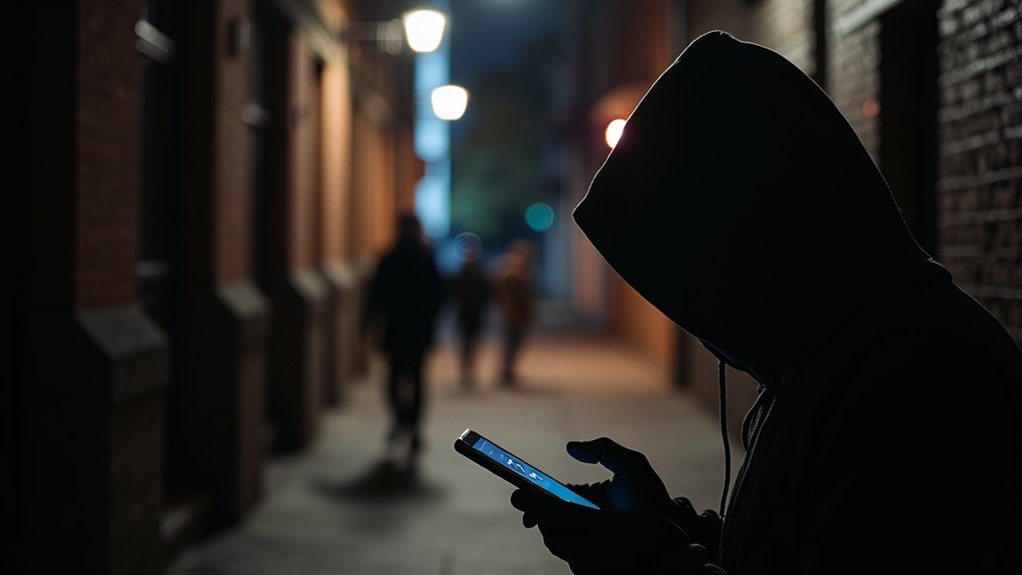
When reporting suspected drug dealers in your community, anonymity serves as your primary shield against potential retaliation. Drug operations often involve individuals willing to protect their business through intimidation or violence, making your identity a valuable asset to safeguard.
Anonymous reporting systems create an essential barrier between you and those involved in illegal activities. These systems allow you to contribute to community safety without exposing yourself to unnecessary risks. Law enforcement agencies specifically design these channels to protect informants while still gathering actionable intelligence.
Your confidential tips support crime prevention efforts that can disrupt drug networks and reduce neighborhood drug activity. Keep in mind that effective reporting doesn’t require revealing your personal information the evidence and details you provide about suspicious activities carry more weight than your identity.
Signs That Indicate Potential Drug Dealing Activities
How can you identify drug dealing in your neighborhood? Look for unusual patterns of behavior that deviate from normal routines. Frequent brief visits to a residence at odd hours, especially when visitors stay for just minutes, often signal transactions. Watch for hand-to-hand exchanges in cars, parks, or street corners.
Suspicious behavior includes people appearing nervous, constantly checking surroundings, or using coded language. You might notice increased foot traffic, vehicles stopping briefly, or strangers loitering without purpose. Pay attention to neighborhood changes like declining property maintenance, increased litter (particularly small baggies or foil), or a sudden rise in security measures at a property.
Trust your instincts when everyday activities seem deliberately secretive or inconsistent, it may warrant closer attention.
National Hotlines and Text Lines for Anonymous Tips

Several secure channels exist for reporting suspected drug activity without revealing your identity. The DEA maintains a confidential tip line at 1-877-TIPS-DEA, while the nationwide Crime Stoppers operates at 1-800-222-TIPS. You can also text information to 274637 (CRIMES) with your local keyword.
These services protect your anonymity while ensuring law enforcement receives essential intelligence. Many programs assign code numbers for follow-up communications, eliminating the need to reveal personal details.
The anonymous tip benefits extend beyond your safety you’ll contribute to dismantling drug networks affecting vulnerable populations. Community involvement through these reporting systems has proven effective in reducing drug activity in neighborhoods nationwide. Keep in mind that your information, however small, could be the missing piece in an ongoing investigation.
Using Police Department Anonymous Tip Resources
Most police departments offer multiple anonymous reporting options through their websites, dedicated phone lines, and text messaging services. You’ll find secure online forms on official police websites where you can submit detailed information without revealing your identity. Local departments typically maintain 24-hour tip lines and text-to-tip programs that allow you to share information about suspected drug dealing activity while maintaining your anonymity.
Online Tip Submission Methods
When you’re ready to report drug dealing activity, police departments nationwide offer secure online platforms designed specifically for anonymous reporting. These systems prioritize online anonymity while providing effective tip submission options.
Most platforms allow you to submit information without revealing your identity. You’ll typically need to provide location details and specific observations about the suspected activity.
| Platform Type | Features | Anonymity Level | Follow-up Option |
|---|---|---|---|
| Police Website Forms | Text-based reporting | High | Usually none |
| Mobile Apps | Photo/video uploads | High | Code-based |
| Text Message Systems | Quick, discreet reporting | Medium | Optional |
| Third-party Services | Extra buffer layer | Very High | Anonymous chat |
Remember to use public Wi-Fi or a VPN for further protection when submitting tips online. Most systems generate a unique reference number, allowing you to check your report’s status while maintaining anonymity.
Tip Line Phone Numbers
Every major police department maintains dedicated phone lines where you can report drug dealing activity without revealing your identity. These tip lines provide effective channels for community involvement while protecting you from exposure. When using these resources, remember specific protocols improve tip line effectiveness.
- Call during business hours when possible for direct operator connection
- Have specific details ready: locations, descriptions, vehicle information
- Speak clearly but don’t share your personal information
- Request a tip reference number to follow up anonymously later
- Ask about potential reward programs for tips leading to arrests
Most departments guarantee confidentiality through specialized systems that don’t track caller ID or record conversations. Your participation helps law enforcement allocate resources efficiently while keeping your neighborhood safer. The most successful tip lines thrive on community involvement without putting informants at risk.
Text Message Reporting Options
Many police departments now offer text-based reporting systems that provide a discreet alternative to phone calls. These platforms allow you to send information without speaking aloud, ideal for situations where privacy is essential.
To use text reporting effectively, follow proper text message etiquette: be clear, concise, and factual. Include specific details about locations, individuals, and activities you’ve observed. Most systems use a designated keyword followed by your message (e.g., “DRUGS” to 847411).
When submitting reporting tips via text, avoid including your personal information unless specifically requested. These systems typically assign you an anonymous ID number for follow-up communication. Keep in mind that texts may not receive immediate responses like emergency calls, so don’t use this method for situations requiring urgent intervention.
Digital Options: Apps and Websites for Secure Reporting
In today’s virtual environment, several secure platforms allow you to report drug dealers anonymously without compromising your safety. These digital reporting tools prioritize user privacy while enabling effective communication with authorities.
- Crime Stoppers Apps, Download your local Crime Stoppers app with built-in reporting features that protect your digital privacy
- P3 Tips, A widely-used platform that encrypts your information and assigns you a unique code for follow-up
- TipSubmit, Allows photo evidence uploads while masking your identity
- Government Portals, Many DEA and local police websites offer secure reporting forms with encryption
- SecureDrops, Specialized reporting apps that use Tor technology to conceal your IP address completely
Always verify the legitimacy of any platform before sharing sensitive information, and consider using public Wi-Fi with a VPN for further anonymity.
What Information to Include When Reporting Drug Dealers

While the right reporting platform provides security, the effectiveness of your report hinges on the quality of information you provide. Focus on specific details that help authorities identify and investigate the dealer.
Include the dealer’s physical description (height, weight, distinguishing features), vehicle information (make, model, color, license plate), and exact locations where dealing occurs. Note patterns of activity times, days, and frequency of transactions. If possible, document the types of drugs being sold.
During the reporting process, mention any violence or weapons you’ve observed. Provide names or aliases if known, but don’t risk your safety to obtain this information. Avoid including details that could reveal your identity as the reporter.
How Law Enforcement Protects Your Identity After Reporting
Law enforcement agencies employ multiple layers of protection to safeguard your identity when you report drug activity. They understand that identity confidentiality is vital for both your safety and the integrity of their investigations. When you follow proper reporting procedures, officers implement a range of measures to keep your information secure.
- Anonymous tip lines use encryption systems that strip identifying data from your report
- Officers assign case numbers instead of names in all documentation
- Information is compartmentalized so only essential personnel access your details
- Courts can issue protective orders preventing disclosure of informant identities
- Agencies never confirm or deny specific sources during press conferences or public statements
These protocols guarantee your cooperation with law enforcement doesn’t put you at risk. The system is designed to maintain your anonymity throughout the investigation and any subsequent legal proceedings.
Common Fears About Reporting and Reality Checks
Your fear of retaliation from drug dealers is often exaggerated compared to actual documented cases, with many reports leading to arrests without incident. Law enforcement employs thorough protection measures including patrol increases in your neighborhood, temporary surveillance, and emergency response protocols if needed. Identity safeguards like anonymous tip lines, witness protection programs, and strict confidentiality protocols guarantee your personal information remains secure throughout the reporting and prosecution process.
Retaliation Concerns Debunked
Despite widespread fears about potential payback, statistics show that retaliation against individuals who report drug dealers remains exceptionally rare. Law enforcement agencies actively protect informants’ identities, dismantling common retaliation myths that keep communities silent. Your anonymous tip enters a secure system designed to shield your personal information.
- Dealers typically flee rather than seek revenge when investigated
- Anonymous reporting systems are specifically designed to protect your identity
- Most safety misconceptions stem from fictional portrayals in media
- Law enforcement prioritizes source protection as essential to their operations
- Dealers rarely know which of many possible individuals reported them
Understanding these facts helps overcome unfounded fears. Anonymous reporting systems exist precisely because authorities recognize your safety concerns and have established protocols to address them effectively.
Protection Measures Explained
When citizens report drug crime, strong protection mechanisms activate immediately to safeguard your identity. Law enforcement agencies employ sophisticated safety strategies including encrypted tip lines, call routing systems that mask your number, and strict information compartmentalization protocols.
You’ll receive a case number, not your name, in all documentation. Officers assigned to your report won’t know who provided the information, creating multiple layers of anonymity protection. Digital submissions undergo automatic metadata scrubbing to remove identifying data.
Community involvement actually strengthens your protection when multiple reports come from one area, no single reporter stands out. Many jurisdictions offer witness protection programs for cases requiring court testimony, though most anonymous tips never reach this stage. Keep in mind that modern reporting systems prioritize informant security above all other considerations.
Identity Safeguards Guaranteed
Many citizens hesitate to report drug activity due to fears that their identity will be exposed. Modern reporting systems now incorporate sturdy identity verification protocols while maintaining complete confidentiality assurance for informants.
- You’re never required to provide your name when using anonymous tip lines
- Call screening technology prevents your number from being traced or recorded
- Online reporting portals use encryption that separates your identifying data from your report
- Law enforcement agencies legally cannot disclose your identity without explicit consent
- Court procedures allow for confidential testimony if a case proceeds to trial
These safeguards exist specifically to protect concerned citizens like you. The systems are designed to receive vital information while ensuring your security remains the absolute priority throughout the reporting process.
Legal Protections for Citizens Who Report Criminal Activity
Because citizens play a vital role in combating drug trafficking, the legal system offers several protections for those who report criminal activity. You’re entitled to legal immunity when providing information in good faith about suspected drug dealing. Whistleblower protections also shield you from retaliation.
| Protection Type | What It Covers |
|---|---|
| Immunity Laws | Protection from liability for good-faith reports |
| Whistleblower Statutes | Shield against workplace or community retaliation |
| Witness Protection | Relocation and identity safeguards in serious cases |
Know your rights before reporting. Most jurisdictions allow you to refuse to testify if your safety might be compromised. Federal laws provide further protections when reporting large-scale operations, including potential financial rewards while maintaining your anonymity throughout legal proceedings.
When to Seek Additional Help Beyond Anonymous Reporting
Although anonymous reporting is often sufficient for routine cases, certain situations require more extensive protection measures. Monitor these warning signs that indicate you need supplementary help beyond anonymous tips:
- You’ve witnessed violent crimes alongside drug dealing activities
- You’re experiencing harassment, threats, or intimidation from suspected dealers
- You notice unusual surveillance of your home or suspicious vehicles following you
- Drug activity has intensified despite previous reports
- Children or vulnerable people are in immediate danger from drug operations
When facing these scenarios, immediately contact community resources beyond crime tip lines. Your local police department’s victim advocacy unit, witness protection programs, social services, community safety coalitions, and legal aid organizations can provide specialized assistance. These resources offer customized support including temporary relocation, restraining orders, and professional security assessments.
Frequently Asked Questions
Can I Report Suspected Dealers if I’m Not Completely Sure?
Yes, you can report suspected dealers even if you’re not completely sure. Anonymous reporting systems are designed for sharing concerns based on reasonable suspicion, not absolute proof. When reporting suspected dealers, provide as many specific details as possible about what you’ve observed. Law enforcement will investigate to determine if criminal activity exists. Your report might connect to other tips they’ve received, helping them build a stronger case. Your safety remains the priority throughout this process.
Will My Neighborhood Become Safer After Reporting Drug Dealers?
Reporting drug dealers can improve your neighborhood’s safety, but results aren’t immediate. Your action often triggers increased police presence and sends a message that illegal activities won’t be tolerated. For lasting impact, consider joining a neighborhood watch program. These community safety initiatives help residents collaborate with law enforcement to address different issues. Remember, meaningful change typically requires consistent reporting and community involvement rather than a single report.
How Quickly Do Police Typically Respond to Anonymous Drug Tips?
Police response time to anonymous drug tips varies widely. You’ll typically see follow-up within days to weeks rather than immediate action. Tip effectiveness depends on the quality of information you provide – specific locations, names, and patterns increase priority. Officers often need to verify your tip through surveillance before acting. Some departments have dedicated narcotics units that process tips systematically, while smaller agencies might take longer due to limited resources and competing priorities.
Can I Check the Status of My Anonymous Tip Afterward?
You can’t typically check the status of your anonymous tip afterward. Most anonymous reporting systems intentionally don’t provide follow-up mechanisms to preserve your confidentiality in the reporting process. This lack of status updates maintains the anonymity that protects you. Some tip lines may provide a reference number, but this rarely enables true case tracking. For reporting process clarity, understand that once submitted, anonymous tips become part of investigations without feedback channels to the original tipster.
Should I Report Someone I Know Personally Who Deals Drugs?
Reporting someone you know personally who deals drugs requires careful consideration. Prioritize your personal safety initially never confront them directly. Consider the community impact of their activities: addiction, violence, and neighborhood deterioration. If you decide to report, maintain complete anonymity and avoid sharing details that could identify you as the source. Only proceed if you can do so without placing yourself at risk of retaliation or compromising your relationships.