By 2025, you’ll find residential addiction treatment transformed through AI-driven diagnostics, personalized medication protocols, and integrated mental health services. Treatment centers will expand considerably with 6,800 new beds and 26,700 outpatient slots nationwide. You’ll have access to experiential therapies, trauma-informed care, and biometric monitoring in extensive campus settings. While cost barriers persist, evidence-based practices and technological innovations continue reshaping recovery success rates and treatment accessibility. Understanding these evolving treatment models can help you navigate your recovery path effectively.
Treatment Models and Core Approaches
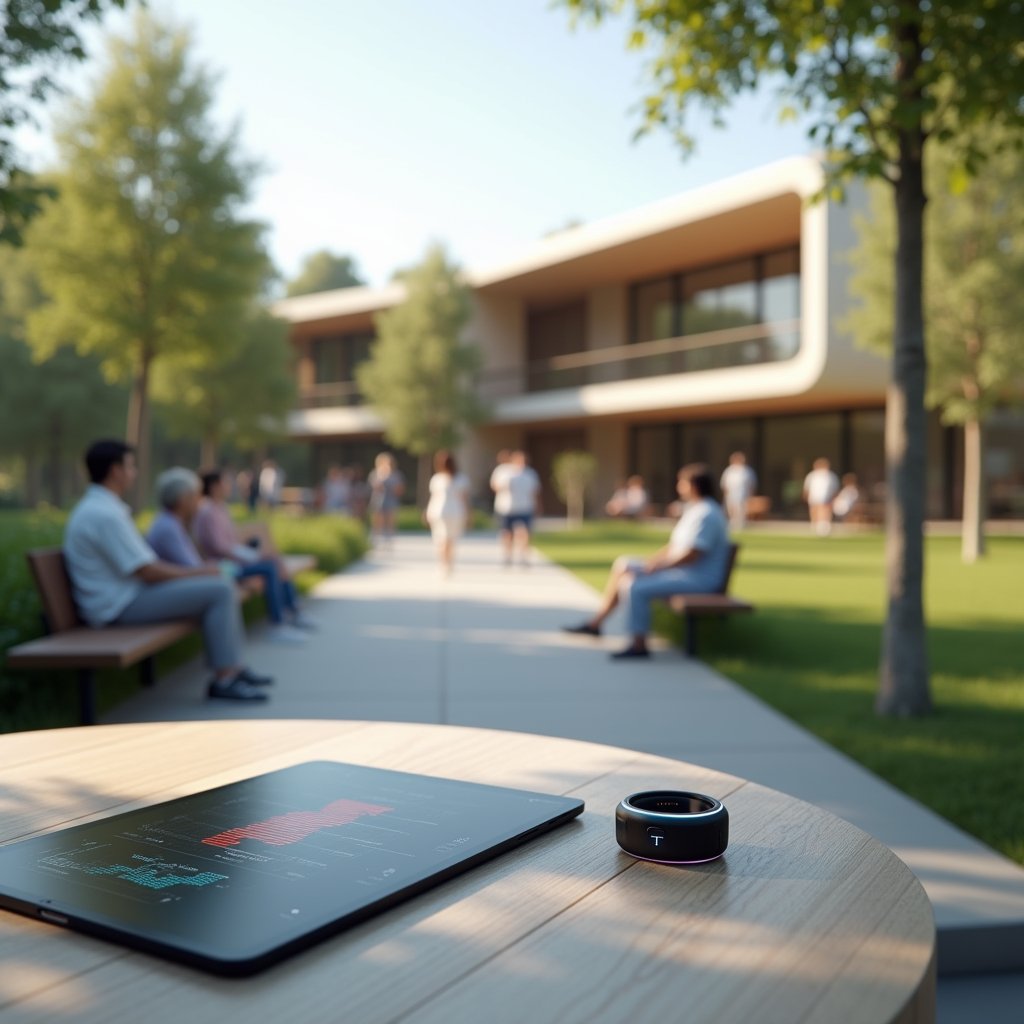
How are residential addiction treatment models evolving to meet the complex needs of patients in 2025? You’ll find treatment centers implementing highly personalized frameworks that combine medication assisted therapies with sophisticated biometric monitoring. These programs integrate real-time physiological data tracking with customized intervention strategies, ensuring precise therapeutic adjustments. Modern facilities now incorporate experiential therapy programs that include art, equine, and wilderness activities. New evidence-based approaches are being mandated through federal regulations to ensure quality care standards across all facilities.
Treatment protocols now emphasize holistic wellness practices alongside trauma-informed approaches, recognizing addiction’s deep connection to adverse life experiences. The growing acceptance of psychedelic therapy options has expanded treatment possibilities for addressing deep-rooted trauma. You’ll experience care plans that synthesize your genetic predispositions, lifestyle factors, and mental health needs into a cohesive treatment strategy. Centers are leveraging AI-driven diagnostics and predictive analytics to identify relapse risks and optimize intervention timing. This data-driven approach, combined with patient-led planning, creates a more responsive and effective treatment ecosystem that addresses both immediate recovery needs and long-term wellness goals.
Adolescent Care: Gaps and Solutions

You’ll find dramatic disparities in adolescent addiction treatment access across the U.S., with only 354 residential facilities nationwide and 23 states lacking Medicaid-accepting programs. Your location profoundly impacts treatment possibilities, as rural areas face severe shortages compared to urban centers, while even available programs often can’t address the complex needs of the 18% of teens with co-occurring disorders. With nine in ten young adults not receiving any treatment for substance use disorders, the crisis continues to worsen.
The combination of high out-of-pocket costs, limited insurance coverage, and insufficient specialized programs creates substantial barriers for youth seeking residential addiction treatment, particularly affecting low-income families and those requiring medication-assisted treatment options. The growing fentanyl overdose crisis among teenagers makes immediate access to comprehensive treatment more critical than ever. Recent research shows that implementing personality-focused prevention programs in schools could reduce substance use disorder rates by up to 35% annually, potentially decreasing the strain on residential treatment facilities.
Access Barriers For Youth
Despite significant advances in addiction treatment, adolescents continue to face substantial barriers when accessing residential care services. You’ll find that financial obstacles, including high out-of-pocket costs and limited insurance coverage, create immediate roadblocks for many families. Change in family status can disrupt ongoing treatment plans, making it harder for youth to maintain consistent care. The pervasive public stigma surrounding addiction continues to prevent many adolescents from seeking critical treatment support.
Staffing shortages and cultural competence challenges further compound these issues, particularly in rural areas where specialized youth facilities are scarce. Geographic disparities and transportation limitations make it difficult for teens to access gender-specific or trauma-informed care. When coupled with systemic biases and stigma, these barriers become even more pronounced for minority youth.
You’re also seeing significant gaps in treating co-occurring disorders, as there’s a shortage of clinicians trained in adolescent dual diagnosis care. Current program structures often force teens into adult-centric models, failing to address their unique developmental needs.
Treatment Program Shortages
The current terrain of adolescent addiction treatment reveals severe program shortages across multiple dimensions. You’ll find that only 54% of facilities offer immediate bed availability, with waiting periods averaging 28 days due to significant staffing constraints. For-profit facilities show greater availability but charge approximately three times more than non-profit centers.
Research gaps compound these challenges, particularly in understanding effective treatment models for youth. The financial burden remains substantial, with daily costs reaching $878 and monthly expenses exceeding $26,000. Moreover, you’re facing limited access to proven medications like buprenorphine, available in only half of existing facilities. The loss of SAMHSA grants has further strained treatment accessibility and program sustainability.
The upcoming HHS restructuring in 2025 aims to address these shortfalls, but you’ll need to ponder that current solutions, including expanded outpatient services and primary care integration, are essential interim measures to meet the growing demand for adolescent addiction treatment.
Program Success Metrics and Outcomes

Modern addiction treatment programs measure success through multiple evidence-based metrics, reflecting both immediate outcomes and long-term recovery indicators. You’ll find varied geographic graduation rates across facilities, from 42% nationally to 70% in Florida’s programs. The 136 treatment centers contributing data help establish comprehensive benchmarks for the industry.
Sobriety outcomes measurement shows encouraging results, with 76% of alcohol rehabilitation patients maintaining sobriety at 3 months and 69% at 6 months post-treatment. Outpatient treatment services are widely accessible, being offered at 82% of facilities nationwide. Comprehensive treatment helps achieve higher recovery rates, as integrated treatment approaches improve recovery outcomes by over 65%.
Program effectiveness extends beyond completion statistics, incorporating quality-of-life improvements reported by 80% of patients. When you examine medication-based treatments, they’ve proven to reduce overdose risk fivefold during active care.
Programs lasting 12+ months demonstrate superior post-discharge outcomes, while integrated treatment approaches addressing trauma and mental health conditions boost recovery success. These all-encompassing metrics guide facilities in the direction of evidence-based practices that optimize patient outcomes.
Industry Infrastructure Status
Significant infrastructure expansion is reshaping addiction treatment delivery across the United States, with California leading through unprecedented investments. Through utilized funding sources and public private partnerships, you’ll see a transformation in treatment capacity by 2025, with over 6,800 new residential beds and 26,700 outpatient slots planned statewide. The federal push for faith-based programs adds another dimension to treatment infrastructure development.
Key infrastructure developments include:
- Integrated campus models combining crisis stabilization, detox, and rehabilitation services
- Co-located mental health and SUD treatment facilities addressing dual diagnoses
- Mobile crisis infrastructure and behavioral health urgent care units
You’ll find these expansions particularly impactful in underserved regions, where counties are developing extensive treatment hubs like San Joaquin’s Be Well Campus and Sonoma’s Orenda facility. These innovations directly address critical bed shortages while creating seamless continuums of care. The state’s latest $3.3 billion investment demonstrates California’s commitment to expanding residential treatment infrastructure across multiple counties.
Financial Barriers and Economic Impact
Financial accessibility remains a critical barrier in residential addiction treatment, with costs ranging from $6,000 to $80,000 for a 30-day program. You’ll find affordability challenges amplified by macroeconomic trends, creating significant economic burdens for individuals seeking care.
| Cost Category | Standard Rate | Insurance Coverage |
|---|---|---|
| Basic Residential | $6,000-20,000 | 60-80% |
| Luxury Programs | $20,000-80,000 | 40-60% |
| Sober Living | $1,500-2,000/mo | 0-20% |
| Public Programs | $8,000 | 80-100% |
| Monthly Inpatient | $5,000-25,000 | 50-70% |
You’ll need to examine both direct treatment costs and indirect expenses like lost wages and post-treatment care. While sliding-scale fees and state-funded programs offer some relief, significant gaps persist in coverage, particularly for middle-income individuals who don’t qualify for assistance but can’t afford premium care.
Access Challenges and Equity Issues
Despite ongoing efforts to expand addiction treatment services, persistent access barriers and equity gaps continue to shape the residential treatment terrain in 2025. You’ll find socioeconomic disparities and health insurance limitations creating significant obstacles, particularly in underserved communities where treatment resources remain scarce.
Critical access challenges include:
- Geographic barriers affecting 22% of individuals seeking care, with rural populations facing disproportionate facility shortages
- Cultural and linguistic mismatches limiting treatment effectiveness for diverse populations, compounded by multilingual staff shortages
- Extended wait times delaying critical interventions, often worsening addiction severity and recovery outcomes
These systemic inequities are further exacerbated by workforce shortages and limited cultural competency in existing programs. While some facilities implement novel solutions like streamlined intake processes and cultural sensitivity training, widespread disparities persist across treatment accessibility and quality.
Future Innovations and Technological Integration
How are technological breakthroughs reshaping residential addiction treatment in 2025? You’ll find treatment centers integrating virtual therapeutic tools that combine VR-based exposure therapy with real-time coping strategies. These innovations allow you to practice trigger management in controlled environments while receiving immediate support.
AI-driven harm reduction platforms now analyze your behavioral patterns and physiological data from wearable sensors to predict relapse risks. You’ll benefit from personalized interventions delivered through hybrid treatment models, combining traditional therapy with digital support.
Advanced pharmacological approaches, including GLP-1 medications and TMS, work alongside these technologies to address both addiction and co-occurring conditions. In this new therapeutic setting, you’ll experience treatment that’s more precise, accessible, and responsive to your individual recovery needs.
Frequently Asked Questions
How Long Should Families Wait Before Staging an Intervention for Addiction?
Don’t wait once you notice early warning signs of addiction intervene immediately. Research shows that delaying intervention can lead to severe health complications and increased mortality risk.
You’ll want to focus on family preparedness by educating yourself about addiction, gathering support resources, and consulting addiction specialists. Early intervention drastically improves recovery outcomes, with studies showing that prompt treatment leads to higher success rates and reduced relapse risk.
What Personal Items Are Allowed in Residential Treatment Facilities?
You’ll need to pack essential personal hygiene items and basic clothing while adhering to strict facility guidelines. Most centers allow you to bring toiletries, prescription medications, and comfortable clothing for a week’s stay. However, they’ll inspect all items upon arrival.
Keep in mind that visitor policies vary by facility, with many restricting personal items from visitors during the initial few weeks. Always verify your specific center’s rules, as prohibited items can delay your admission process.
Can Couples Attend Residential Treatment Programs Together?
Yes, you and your partner can attend residential treatment together through specialized couple’s counseling programs. Many facilities offer treatment program options designed specifically for couples recovering from addiction.
You’ll participate in both joint and individual therapy sessions, addressing relationship dynamics alongside personal recovery goals. Research shows that couples who enter treatment together often achieve better outcomes, as they can support each other’s sobriety while rebuilding their relationship simultaneously.
Are Pets Allowed to Visit During Residential Addiction Treatment?
Pet visitation policies differ markedly among treatment facilities. You’ll need to check with specific centers about their rules, as some allow supervised pet visits while others don’t.
Many facilities now offer pet therapy programs as an alternative, where trained therapy animals visit regularly. If you have an emotional support or service animal, you’ll need proper documentation, but they’re typically accommodated under ADA guidelines.
Always discuss your pet-related needs during initial screening.
What Happens if Someone Relapses During Their Residential Treatment Stay?
If you relapse during residential treatment, you’ll receive immediate clinical support and an adjusted treatment plan. Your care team will focus on managing relapse triggers and developing relapse prevention strategies customized to your needs.
You won’t be discharged; instead, you’ll work with therapists to understand what led to the relapse and strengthen your coping skills. This may include increased therapy sessions, medication adjustments, and amplified peer support to reinforce your recovery expedition.