Treatment for cannabis addiction combines cognitive behavioral therapy (CBT) and motivational reinforcement therapy (MET) to address triggers and strengthen recovery commitment. You’ll receive medical support for withdrawal management, which typically peaks within 6 days. Professional counselors, peer mentorship, and digital monitoring tools provide 24/7 support, while reward-based programs offer customizable incentives. With consistent participation in thorough treatment programs, you can achieve recovery rates of up to 90% and there’s much more to understand about your path to recovery.
Evidence-Based Therapeutic Approaches

When seeking treatment for cannabis addiction, evidence-based therapeutic approaches offer structured pathways to recovery through scientifically validated methods. After a thorough assessment, you’ll find that CBT and MET work together to address both behavioral patterns and motivation for change. Current research shows that young adults are particularly vulnerable to developing cannabis use disorder.
Evidence-based therapies provide proven paths to cannabis addiction recovery, combining behavioral changes with motivational enhancement for comprehensive treatment.
CBT helps you identify triggers and develop coping strategies, while MET strengthens your commitment to recovery through personalized goal-setting. Success rates of up to 43% have been reported for CBT treatment programs. Individual talk therapy sessions allow for personalized exploration of addiction factors and underlying issues.
For improved outcomes, alternative interventions like DBT and Contingency Management can be integrated into your treatment plan. DBT equips you with emotion regulation skills, while CM provides tangible rewards for maintaining abstinence.
These approaches often work best when combined with group counseling, where you’ll benefit from peer support networks and structured skill-building sessions that reinforce your recovery process.
Medical Support and Pharmacological Solutions
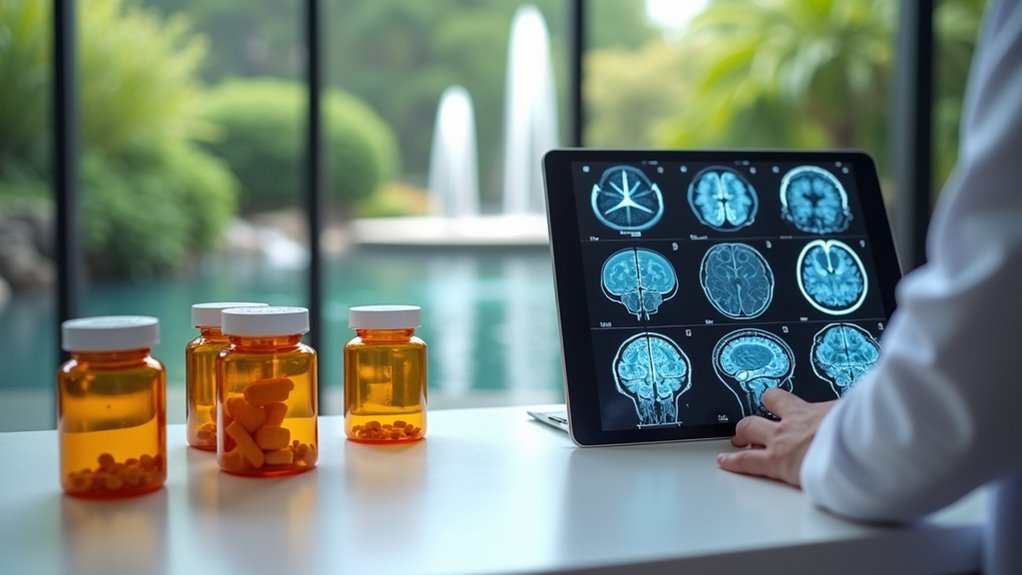
Three core components define the medical approach to cannabis addiction treatment: withdrawal management, psychiatric support, and emerging pharmacological interventions. While there aren’t FDA-approved medications specifically for cannabis addiction, you’ll find an assortment of treatment options available through medical support systems.
Your doctor may prescribe off-label medications to manage specific symptoms: sleep aids for insomnia, antidepressants for mood disturbances, and short-term benzodiazepines for acute anxiety. Common withdrawal symptoms typically peak within 6 days after cessation. Patient monitoring systems, including telemedicine platforms and digital health apps, track your progress and support medication adherence strategies. Approximately nine percent of users develop cannabis addiction, making effective medical interventions crucial for recovery. Studies show cognitive behavioral therapy is particularly effective in treating cannabis use disorder.
For dual diagnoses, which affect over 73% of cases, you’ll receive targeted pharmaceutical interventions combining mood stabilizers, antipsychotics, or SSRIs as needed. Emerging treatments like N-acetylcysteine and cannabinoid receptor antagonists show promise in clinical trials for reducing cravings and preventing relapse.
Building Strong Recovery Networks

Building a strong recovery network stands as a cornerstone of successful cannabis addiction treatment. You’ll need to establish connections with both professional counselors and peer mentorship programs to create an extensive support system. Through community engagement activities, you can connect with others who understand your path and share valuable recovery strategies.
Your network should include multiple layers of support: therapists for clinical guidance, peer groups for shared experiences, and accountability partners for daily encouragement. Understanding withdrawal management strategies can significantly improve your recovery outcomes. Participating in group CBT sessions will help you develop essential coping skills while learning from others’ experiences. You’ll also benefit from establishing relationships with experienced individuals in recovery who can mentor you through challenging periods. Treatment centers that emphasize evidence-based therapies have shown significant success in supporting long-term recovery. For immediate crisis support, the 988 Lifeline provides 24/7 assistance to those struggling with substance use challenges.
Regular check-ins and structured communication plans with your support network guarantee you’re never facing recovery challenges alone.
Reward-Based Treatment Programs
Reward-based treatment programs offer a scientifically validated approach to cannabis addiction recovery through systematic positive reinforcement. You’ll find these programs structured around customizable incentive structures that align with your personal recovery goals, from gift cards to educational opportunities.
The effectiveness of these programs stems from their all-encompassing participant engagement strategies. You’ll have access to 24/7 support systems, mobile treatment units, and digital monitoring tools that track your progress. These elements work in tandem with other evidence-based therapies, including CBT and medication-assisted treatment. Studies show that recovery rates reach 90% when patients maintain consistent participation in treatment programs. Treatment approaches incorporate the latest advances in pharmacotherapy and psychotherapy, aligning with current medical understanding of substance use disorders. Since addiction is recognized as a chronic brain disease, these programs focus on long-term behavioral modification and sustained recovery support.
Addressing Mental Health in Cannabis Recovery
Mental health management forms the cornerstone of successful cannabis recovery, working alongside reward-based interventions to create a thorough healing approach. You’ll benefit from cognitive rehabilitation programs that target specific mental health challenges while engaging in trauma-informed care designed to address underlying psychological issues. Recent research demonstrates that medical cannabis use can impact chronic pain management, making it crucial to develop alternative pain relief strategies during recovery. Treatment success often depends on cognitive behavioral therapy, which has shown effectiveness in promoting longer periods of abstinence.
| Condition | Primary Intervention | Expected Outcome |
|---|---|---|
| Anxiety | CBT Sessions | Reduced Panic Episodes |
| Depression | Behavioral Activation | Improved Mood Stability |
| PTSD | Trauma-Informed Care | Decreased Triggers |
| Sleep Issues | Mindfulness Training | Better Sleep Quality |
Your treatment plan will integrate medication management when necessary, while monitoring your progress through structured assessments. This comprehensive approach guarantees you’re addressing both the psychological aspects of addiction and any co-occurring mental health conditions that might impact your recovery odyssey.
Frequently Asked Questions
How Long Does Cannabis Stay Detectable in Urine After Stopping Use?
Your urine detection timeframes for cannabis vary noticeably based on usage patterns. For single use, you’ll typically test positive for 1-3 days.
If you’re an occasional user, expect detection for 3-7 days.
For regular users, metabolite clearance rates extend to 10-21 days, while heavy chronic users can test positive for 30+ days or longer.
Your body composition, metabolism, and cannabis potency will influence these detection windows.
Can I Continue Socializing With Friends Who Still Use Cannabis?
You can maintain friendships with cannabis users, but you’ll need to prioritize maintaining boundaries and managing social dynamics carefully. Consider being direct about your sobriety goals while avoiding high-risk situations.
You might need to limit exposure to active use and establish clear limits about when and where you’ll socialize. Focus on activities that don’t involve cannabis and seek support from friends who respect your recovery path.
What Are the Costs of Different Treatment Programs for Cannabis Addiction?
Treatment program costs vary considerably based on your needs. Outpatient care ranges from $1,450 to $11,000 for a 3-month program, while intensive outpatient programs cost $3,100-$10,000 for 30 days.
If you need residential treatment, expect to pay $5,300-$9,766 for basic programs, or up to $80,000+ for luxury facilities. Insurance coverage options can greatly reduce these costs, and many facilities offer sliding-scale fees or accept Medicaid for more affordable treatment.
Are There Natural Alternatives to Help With Cannabis Withdrawal Symptoms?
You can manage cannabis withdrawal symptoms through several natural alternatives. Herbal supplements like St. John’s Wort and chamomile tea can help reduce anxiety and improve sleep. Combine these with mindfulness practices such as meditation and deep breathing exercises to regulate your mood.
Focus on proper nutrition with magnesium-rich foods and stay hydrated. Consider using CBD products under medical supervision, and incorporate regular exercise to support your body’s natural recovery process.
How Can I Identify if My Cannabis Use Has Become Problematic?
You can identify problematic cannabis use by monitoring your daily usage patterns and recognizing potential warning signs. Watch for physical indicators like persistent bloodshot eyes and impaired coordination, along with behavioral changes such as withdrawing from relationships or neglecting responsibilities.
If you’re experiencing memory issues, increased tolerance, or failed attempts to quit despite negative consequences, these are red flags. Track your consumption habits and be honest about how they’re affecting your life.