
If you’re checking your phone up to 42 times daily, experiencing phantom vibrations, or feeling anxious when separated from your device, you may have a texting addiction. This dependency can strain relationships, with 71% of users reporting relationship conflicts due to excessive phone use. You can break free through a structured 30-day recovery plan that includes setting device-free zones, implementing time limits, and practicing mindful consumption. A thorough approach will help you regain control and build healthier digital habits.
Understanding the Warning Signs of Texting Dependency

While mobile phones have revolutionized how we communicate, they’ve also introduced new behavioral challenges that can signal problematic usage patterns. You might notice compulsive checking, reaching for your phone up to 42 times daily, or experiencing phantom vibrations even when there’s no notification. Recent studies show that pull to refresh features are deliberately designed to create addictive behaviors similar to gambling mechanics. Similar to drug addiction, texting dependency can lead to altered mental states that affect daily functioning. Research indicates that time distortion frequently occurs when brief phone checks extend into prolonged sessions.
Watch for withdrawal symptoms like anxiety triggers when you’re separated from your device, coupled with growing irritability signs when others interrupt your screen time. Time mismanagement often manifests through extended usage sessions that you can’t seem to control. Deception patterns, such as lying about your phone use, and emotional neglect of real-world relationships leading to social isolation are serious red flags. If you’re finding yourself struggling with duty neglect or making excuses for increased screen time, it’s time to evaluate your relationship with texting.
The Hidden Impact on Daily Life and Relationships
Research reveals that excessive texting profoundly disrupts both personal routines and social connections in ways most users fail to recognize. With an average of 150 daily phone accesses and 67% checking without notifications, compulsive checking has become normalized behavior. You’re likely spending more time with your phone than your partner, as 71% of users report this relationship strain. The mental health impact is equally concerning, with 56.9% of Americans acknowledging addiction and 54% of teens feeling overwhelmed by alerts. Your productivity suffers through constant interruptions, averaging checks every 12 minutes. These effects show generational differences, with 72% of teens feeling compelled to respond immediately, while 90% of all users check their phones within an hour of waking, highlighting how deeply this dependency affects daily routines. The pandemic has intensified this behavior, with 49% primarily using smartphones for communication during COVID-19. Studies indicate that four and a half hours represents the average daily smartphone usage, marking a significant increase since 2022. The anxiety around smartphone use is evident, as low battery anxiety affects nearly half of all users who experience distress when their phone drops below 20% charge.
Breaking Free: Your 30-Day Recovery Roadmap

Breaking free from texting addiction requires a structured, evidence-based approach that combines professional support with behavioral modifications. Your 30-day recovery journey starts with medically supervised detox, followed by intensive therapy sessions and self-reflection exercises. Working with accountability partners through group support meetings helps maintain your commitment while developing healthier communication habits. With users touching their phones an average of 2,617 times daily, breaking this compulsive pattern requires dedicated intervention strategies. Excessive smartphone usage often serves as a security blanket for underlying emotional issues. Understanding that recovery requires full commitment to the process is essential for lasting change.
- Engage in cognitive-behavioral therapy to identify triggers and establish new patterns of device interaction
- Connect with a licensed therapist through online platforms for flexible, consistent support during your recovery
- Participate in ITAA meetings to share experiences and learn from others facing similar challenges
Throughout your recovery, you’ll gradually reintroduce technology under controlled conditions while strengthening offline relationships. This methodical approach, combined with regular check-ins and family counseling, creates a sustainable foundation for long-term recovery from texting addiction.
Building Healthy Digital Boundaries
Having established a recovery framework, the next step involves creating sustainable digital boundaries that protect your mental health and relationships. Your digital wellness journey requires implementing clear limits, as studies show 67% of people check their phones without notifications, indicating deeply ingrained habits. With 8 hours daily becoming the average screen time for teenagers, establishing boundaries is more critical than ever. Given that 60% of adults admit smartphone dependency, setting boundaries is crucial for both youth and adult populations. Research indicates that young adults 18-22 represent the highest risk group for social media addiction.
| Boundary Type | Purpose | Implementation |
|---|---|---|
| Time Limits | Reduce 144 daily checks | Set 30-min blocks |
| Physical Zones | Enhance relationships | No phones at meals |
| App Controls | Prevent mindless use | Track usage patterns |
To practice mindful technology use, you’ll need to address the 62% of habitual app opens that occur without purpose. Start by designating device-free zones in your home, tracking your daily screen time, and setting specific intentions before engaging with your devices. These boundaries will help counter the 47% mental exhaustion rate reported from excessive scrolling.
Long-Term Strategies for Sustainable Phone Use
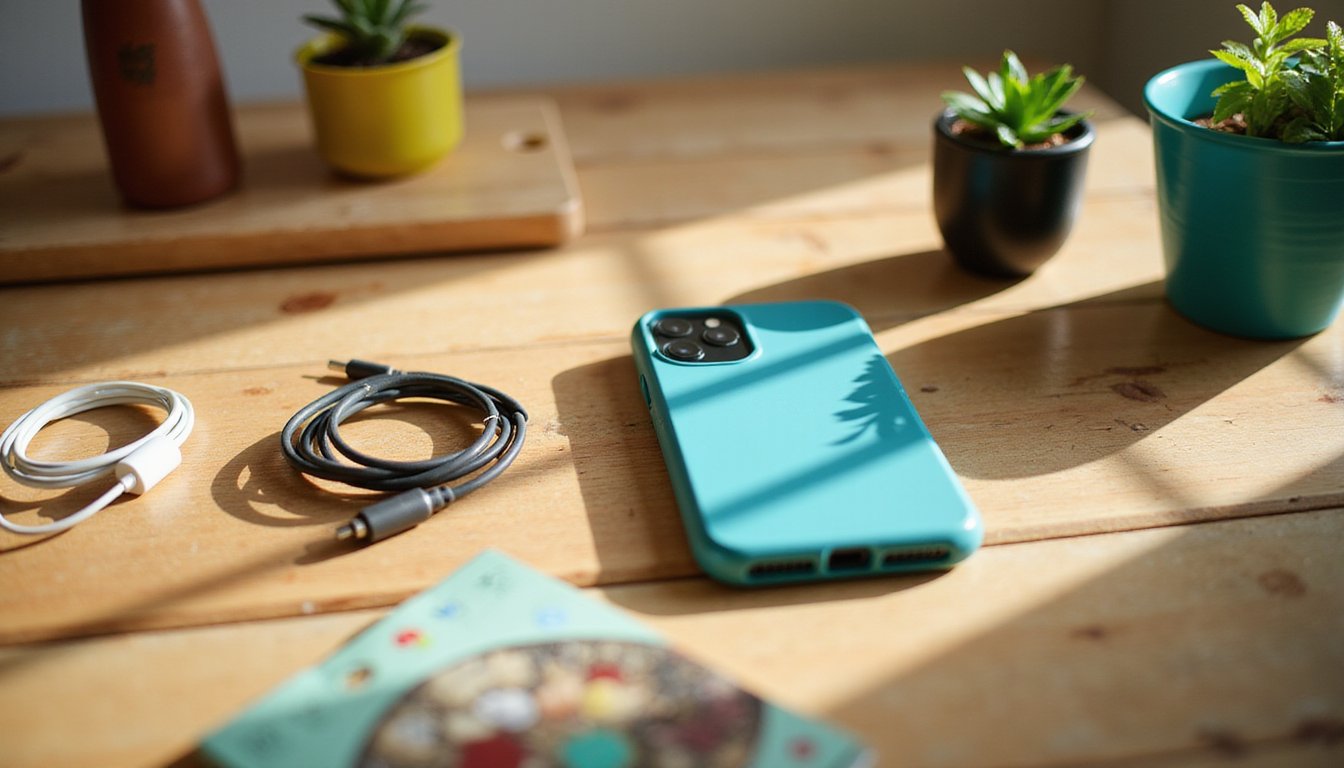
While breaking free from phone addiction is essential, developing sustainable device habits extends beyond behavioral changes to encompass responsible ownership practices. By focusing on eco-friendly repairs and sustainable upgrades, you’ll reduce both environmental impact and the urge to constantly check your device. With daily smartphone usage now averaging 3 hours and 15 minutes, establishing mindful consumption habits is crucial. Choose repair-friendly brands, maintain your battery health between 20-80% charge, and opt for professional fixes instead of replacement when possible. The global demand for refurbished smartphones is expected to reach 352 million units by 2024, making sustainable choices increasingly accessible.
Mindful device ownership isn’t just about screen time, it’s about making sustainable choices that benefit both you and the planet.
- Extend your device’s lifespan through routine maintenance, including port cleaning and using protective cases to prevent damage
- Switch to Wi-Fi when possible and disable background data on non-essential apps to reduce energy consumption
- Consider refurbished devices for your next upgrade, and support manufacturers who prioritize recycled materials and modular designs
Frequently Asked Questions
Can Texting Addiction Lead to Physical Health Problems Like Carpal Tunnel Syndrome?
Yes, excessive texting can directly lead to carpal tunnel syndrome (CTS) through repetitive strain on your wrist’s median nerve. Poor texting ergonomics, including prolonged gripping and awkward thumb movements, greatly increase your risk. Research shows that using your phone for over 4 hours daily can heighten CTS susceptibility. To protect yourself, consider a digital detox, maintain proper hand positioning, and take regular breaks to prevent nerve compression and inflammation.
How Does Texting Addiction Differ Between Teenagers and Adults Over Forty?
You’ll notice clear generational differences in texting behaviors between teens and adults over 40. While teenagers send around 39 texts daily, driven by social validation and peer pressure, adults over 40 focus mainly on practical communication. You’ll find that teens experience higher anxiety (66%) when separated from phones, while older adults demonstrate better coping strategies and emotional control. Their usage is primarily functional, leading to considerably lower addiction rates than teens.
Are Certain Personality Types More Susceptible to Developing Texting Addiction?
Yes, certain personality traits can greatly increase your risk factors for developing texting addiction. If you’re highly neurotic, you may use texting to cope with anxiety and stress. Your conscientiousness might lead to compulsive message checking, while being extroverted can drive constant social connection seeking. If you’re agreeable, you’re more likely to overuse texting for social validation and group acceptance. Understanding these predispositions can help you recognize and manage potential addictive behaviors.
Does Texting Addiction Correlate With Other Forms of Behavioral Addictions?
Yes, you’ll find strong correlations between texting addiction and other behavioral addictions due to shared behavioral patterns. Research shows that if you’re prone to gambling, internet, or shopping addictions, you’re more likely to develop problematic texting habits. The same texting triggers, like seeking instant gratification, escapism, and social validation, mirror those found in other behavioral addictions. You’ll notice similar compulsive use patterns, tolerance development, and withdrawal symptoms across these addictive behaviors.
What Role Do Phone Manufacturers Play in Preventing Texting Addiction?
Phone manufacturers play a significant role in curbing excessive phone use through built-in device features and user education initiatives. You’ll find they’re implementing screen time trackers, app-specific limits, and customizable notification controls to help you manage your digital habits. They’re also partnering with digital wellness platforms and providing educational resources directly on your device. These proactive measures help you maintain healthier boundaries with your phone usage.