
Substance abuse devastates your body and brain through multiple destructive pathways. You’ll experience progressive damage to essential organs, with 90% of heavy alcohol users developing liver disease and 75% of stimulant abusers facing cardiovascular complications. Your immune system becomes severely compromised, while neural circuits governing decision-making deteriorate through altered dopamine systems and cortical thinning. Beyond these immediate effects, substance abuse triggers complex neurological changes that reshape your brain’s fundamental architecture.
The Human Cost: Startling Statistics and Trends

While substance abuse has long been a public health concern, recent data reveals an unprecedented scale of impact, with 46.3 million Americans struggling with substance use disorders in 2021. You’ll find that addiction social costs now exceed $1 trillion annually, encompassing healthcare expenses, lost workplace productivity, and criminal justice involvement.
The strain on public resources is evident, with over 100,000 overdose deaths recorded in 2023, primarily driven by synthetic opioids like fentanyl. Despite the treatment industry‘s projected growth to $53 billion by 2025, only 6.3% of those affected receive help. This gap between need and access is particularly concerning as youth vulnerability increases, with 12.78% of adolescents reporting marijuana use. The pandemic has intensified these challenges, with adult alcohol consumption rising 14% amid widespread stress and isolation. Family-based prevention programs have shown significant success in reducing substance use among young people. Emerging digital health platforms are revolutionizing treatment delivery with a 60% increase in adoption rates.
Recent data shows some improvement, with overdose deaths dropping 27% in 2024, yet sustained funding remains indispensable for continued progress.
Physical Health Complications From Long-Term Use
Chronic substance abuse inflicts devastating damage across multiple organ systems, with research showing particularly severe impacts on the heart, liver, and kidneys.
You’ll find that long-term drug use progressively weakens cardiovascular function through mechanisms like arterial damage, irregular heart rhythms, and increased blood pressure. Your immune system becomes markedly compromised during sustained substance abuse, leaving you vulnerable to opportunistic infections and reducing your body’s natural healing capabilities. Regular drug use can cause serious pancreatic inflammation and swelling, which may prove fatal if left untreated. Continued misuse of stimulants like methamphetamine and cocaine can lead to aggressive behavior and violent outbursts that put both the user and others at risk. Mental health conditions frequently develop alongside substance abuse, with many users experiencing co-occurring disorders that require specialized treatment.
Organ Damage and Failure
Long-term substance abuse inflicts devastating damage across multiple organ systems, leading to progressive deterioration and potential organ failure. Chronic exposure to toxic substances overwhelms the body’s natural detoxification processes, particularly affecting critical organs responsible for filtering and processing harmful compounds. Research shows that substance use disorder fundamentally alters brain circuits, making recovery increasingly difficult over time. This widespread health impact contributes to 2.6 million deaths annually from alcohol consumption alone. Young people face particularly severe risks, as 70% of early users who begin using illegal drugs before age 13 develop substance disorders within seven years.
Key organ systems affected by prolonged substance abuse:
- Liver degeneration occurs in 90% of heavy alcohol users, leading to cirrhosis
- Kidney failure develops in 35% of long-term opioid users
- Cardiovascular damage presents in 75% of stimulant abusers
- Respiratory failure affects 60% of chronic inhalant users
The severity of organ damage correlates directly with usage duration and substance concentration. Early intervention remains imperative, as continued exposure accelerates tissue degradation and reduces organ function recovery potential. Medical monitoring becomes essential for detecting early signs of organ compromise.
Cardiovascular System Breakdown
Persistent substance abuse systematically deteriorates cardiovascular function through multiple pathophysiological mechanisms, leading to structural remodeling, electrical disruption, and vascular compromise. Women who regularly use cannabis face heightened cardiovascular risks compared to non-users.
You’ll experience progressive myocardial scarring and fibrosis as substances directly damage your heart muscle, reducing its contractile strength and ejection fraction. Chronic stimulant use triggers autonomic dysregulation, causing dangerous blood pressure spikes and coronary vasospasm. Drug users commonly develop collapsed veins and infections from repeated needle injections. Heavy alcohol consumption leads to atrial fibrillation, which significantly increases stroke risk.
Your heart’s electrical system becomes increasingly unstable, manifesting as prolonged Q-T intervals and life-threatening arrhythmias. The damage accumulates when you develop ventricular dilation and hypertrophy, often progressing to heart failure. Your risk multiplies 2-3 times for cardiovascular disease, while cellular-level changes impair mitochondrial function and promote oxidative stress.
Multi-substance use and injection practices further accelerate this cardiovascular breakdown through additional inflammatory and infectious mechanisms.
Weakened Immune Defense
When substances of abuse enter your system repeatedly, they systematically dismantle your immune defenses through multiple pathways, leaving you vulnerable to a spectrum of infections and diseases. Different substances target specific immune components: marijuana inhibits cellular migration, while opioids trigger immunosuppressive hormonal cascades. Poor sleeping habits from opioid abuse further deteriorate immune function. Protein synthesis in the liver becomes severely impaired with excessive alcohol consumption.
Your compromised immune system manifests through:
- Weakened autoimmune response leading to tissue damage
- Impaired white blood cell production and function
- Reduced ability to fight bacterial and viral infections
- Increased cancer risk due to compromised cellular surveillance
The damage extends beyond immediate effects, as chronic substance use disrupts crucial immune processes, including T-cell function and pathogen-specific immunity development. Cocaine use specifically leads to NK-cell activity fluctuations, with acute exposure increasing these vital immune cells while chronic use depletes them. However, research shows that abstinence can initiate immune restoration, gradually improving white blood cell counts and enhancing resistance against opportunistic infections.
Mental Health and Cognitive Function Changes
Chronic exposure to drugs and alcohol fundamentally disrupts neural circuits governing cognitive flexibility and reward processing, particularly within the dMSN-to-SNr pathways and prefrontal cortex. You’ll experience impaired task-switching abilities and compromised decision-making, especially in high-risk situations. These neuroplastic changes manifest through cortical thinning and altered synaptic plasticity, weakening your impulse control and planning capabilities.
Drug-induced alterations to your dopamine system create dependency through reward pathway hijacking, while simultaneously suppressing hippocampal neurogenesis. This combination severely impacts memory consolidation and extinction of drug-associated memories.
However, cognitive interventions targeting working memory and executive function can help reduce relapse risk. Research shows that environmental enrichment strategies, combined with pharmacological approaches promoting neurogenesis, offer promising pathways for recovery and rehabilitation.
Cardiovascular and Respiratory System Damage
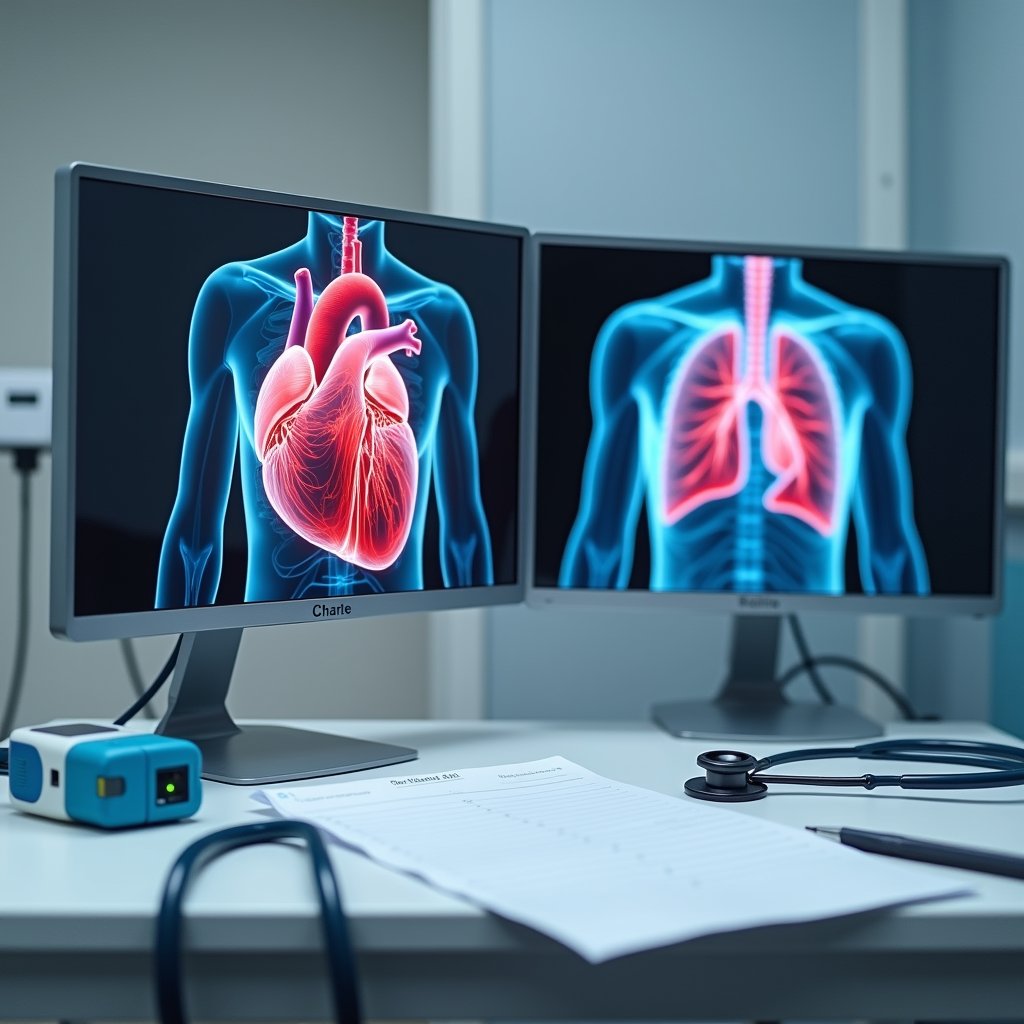
When you abuse substances, your heart endures significant strain from abnormal blood pressure fluctuations and heightened cardiac workload, with stimulants increasing your risk of heart attack by up to 7-fold. Your blood pressure can reach crisis levels during substance use, particularly with cocaine and methamphetamines, which constrict blood vessels and trigger dangerous catecholamine surges.
Your respiratory system suffers cumulative damage through mechanisms like opioid-induced respiratory depression, stimulant-related bronchospasm, and impaired protective airway functions, leading to chronic breathing difficulties and increased susceptibility to respiratory infections.
Heart Strain During Use
Despite widespread knowledge of substance abuse dangers, cardiovascular complications remain one of the most severe immediate threats during active drug use. When you consume substances, particularly stimulants like cocaine or methamphetamines, you’ll experience immediate systolic surges and dangerous coronary artery constriction, leading to acute cardiac stress.
Key substance-specific cardiovascular risks include:
- Cocaine use triggers a 7x higher heart attack risk
- Psychostimulants cause severe blood pressure spikes and arrhythmias
- Multiple substances can induce dangerous vasospasm
- Recent drug use triples your risk of serious cardiac events
These acute effects often progress to long-term left ventricular dysfunction, especially with continued use. Your heart’s contractility diminishes considerably, while your risk of cardiomyopathy and aortic complications increases markedly, particularly if you’re using multiple substances simultaneously.
Blood Pressure Crisis Risks
Substance abuse triggers an array of dangerous blood pressure complications that can rapidly escalate into life-threatening hypertensive emergencies. You’ll face immediate risks from cocaine and stimulants, which cause severe vasoconstriction and catecholamine surges, spiking your blood pressure by constricting blood vessels.
During withdrawal, you’re susceptible to rebound hypertension as your autonomic nervous system becomes dysregulated.
Substance-induced hypertensive emergencies occur in approximately 1% of cases, requiring urgent medical intervention. If you’re using anti-VEGF therapies or have preexisting hypertension, your risk increases substantially, with nearly 50% of patients experiencing drug-induced blood pressure elevation.
CNS stimulant misuse is particularly dangerous, as it can trigger paradoxical hypertensive reactions, especially when combined with alcohol or other substances.
Damaged Lung Tissue Effects
Chronic exposure to illicit substances inflicts severe damage on your lung tissue through multiple pathophysiological mechanisms. As toxic substances repeatedly assault your respiratory system, you’ll experience progressive deterioration characterized by scar tissue accumulation and compromised alveolar function.
Key pathological changes include:
- Interstitial pneumonitis leading to irreversible fibrotic changes
- Vascular damage triggering pulmonary hemorrhage risks and hypertension
- Chronic inflammation causing bronchial hyperreactivity and asthma-like symptoms
- Thermal injuries resulting in airway remodeling and tissue necrosis
You’re particularly vulnerable to developing bullous emphysema and recurrent pulmonary edema from sustained exposure. These structural alterations markedly impair your gas exchange capacity, leading to chronic hypoxemia and reduced exercise tolerance. The cumulative damage often manifests as permanent respiratory dysfunction requiring long-term medical management.
The Opioid Crisis: A Deeper Look at Modern Threats

Recent epidemiological data reveals a complex evolution of America’s opioid crisis, characterized by a distinct three-wave pattern spanning prescription opioids, heroin, and synthetic opioids. While 2023 marked the initial annual decline in opioid deaths since 2018, synthetic opioid impacts remain severe, with illicit fentanyl driving approximately 80% of opioid-related fatalities.
You’ll find the crisis particularly acute in regions like New York, where death rates surged 68% between 2019-2021. The contamination of street drugs with potent synthetic opioids has created unprecedented risks, intensifying untreated addiction challenges.
Though recent statistics show promising declines including a 36% decrease in heroin deaths and 12% reduction in prescription opioid fatalities the baseline death rates remain at historically high levels, demanding continued vigilance and intervention.
Hidden Dangers to Vital Organs and Systems
While many understand the immediate effects of drug abuse, the long-term devastation to essential organs and systems often remains overlooked until severe damage occurs. Your body’s critical systems face catastrophic deterioration through substance abuse, with nutritional deficiency impacts amplifying the damage across multiple organs.
Consider these pivotal system failures that often develop simultaneously:
- Your liver loses its ability to process toxins, leading to cirrhosis and metabolic dysfunction
- Your cardiovascular system weakens, increasing risks of arrhythmias and stroke
- Your respiratory function diminishes, potentially resulting in permanent COPD
- Your musculoskeletal deterioration risks escalate through bone density loss and muscle atrophy
The kidneys particularly suffer, as their filtration capacity becomes compromised, potentially leading to complete organ failure requiring lifelong dialysis. These combined effects create a cascade of deterioration that’s often irreversible.
Breaking Down Brain Chemistry Alterations
Understanding the profound neurochemical disruptions caused by substance abuse reveals how addiction fundamentally rewires your brain’s operating system. When you consume addictive substances, they trigger dopamine surges up to 10 times higher than natural rewards, creating a severe risk-reward imbalance in your neural circuits.
Your brain adapts to this assault through multiple mechanisms. Your dopamine receptors decrease, while your amygdala becomes hyperactive, intensifying stress responses and cravings. Your prefrontal cortex’s executive functions deteriorate, weakening your decision-making abilities. These changes alter normal neurogenesis patterns, as your brain prioritizes drug-seeking pathways over healthy neural connections.
The good news? Your brain can heal through sustained abstinence, though recovery requires patience it typically takes 14+ months for dopamine systems to recalibrate in the direction of normal functioning.
Frequently Asked Questions
Can Substance Abuse-Related Brain Damage Be Reversed With Proper Treatment?
Through proper treatment, you can reverse many neurochemical imbalances and cognitive impairments caused by substance abuse. Your brain’s neuroplasticity allows for significant recovery, especially if you seek early intervention.
However, you’ll find that severe or prolonged substance use may result in permanent damage. Your recovery potential depends on factors like substance type, duration of use, and individual genetics.
Extensive treatment combining medical care, therapy, and lifestyle changes offers your best chance for neural recovery.
How Long After Quitting Drugs Does the Body Start Healing?
Your body begins healing within hours of quitting drugs, though the withdrawal timeline varies by substance. You’ll experience initial physical detoxification within days as your liver and organs start processing toxins.
Brain chemistry normalization occurs gradually: early recovery (0-6 months) shows significant improvements, with full neurotransmitter balance typically achieved within 12-18 months.
Cardiovascular and immune system recovery begins within weeks, while metabolic functions normalize within 3-6 months post-cessation.
What Role Do Genetics Play in Addiction Susceptibility?
Your genetic predisposition plays a significant role in addiction susceptibility, accounting for approximately 50-70% of your risk factors. You’ll inherit specific gene variants, like DRD2 and OPRM1, that can increase your vulnerability by 30-40% through altered dopamine signaling.
However, your genes aren’t your destiny environmental factors must interact with these genetic traits to trigger addiction. You’re particularly susceptible if you carry multiple addiction-linked genetic markers that affect reward processing.
Are Certain Age Groups More Vulnerable to Permanent Substance Abuse Damage?
Yes, you’ll find that adolescents are particularly vulnerable to permanent substance abuse damage due to critical juvenile brain development periods. When you introduce substances before maturity 15, you’re six times more likely to develop dependence and face lifelong health consequences.
Your developing brain is hypersensitive to drug-induced pleasure during these years, potentially causing lasting changes to reward systems and cognitive function that persist into adulthood.
Can Prescription Medications Interact Dangerously With Recreational Drugs During Recovery?
Yes, prescription medications can interact dangerously with recreational drugs during recovery. You’ll face serious risks when combining medications with substances, particularly due to overlapping withdrawal symptoms and increased risk of relapse.
CNS depressants like benzodiazepines can fatally interact with opioids, while antidepressants may cause serotonin syndrome when mixed with stimulants. Even prescribed methadone or buprenorphine can trigger severe reactions if combined with illicit opioids during treatment.