
A structured men’s outpatient detox program works best when you receive daily medical supervision with CIWA-Ar assessments every 4-6 hours to track your withdrawal symptoms. Your clinical team uses these scores to customize your care pathway and determine appropriate medication-assisted treatment. Research shows you’re 4.44 times more likely to stay in treatment when MAT combines with behavioral therapy. Understanding each component helps you recognize what supports lasting recovery success.
Daily Medical Supervision and CIWA-A Protocol Implementation
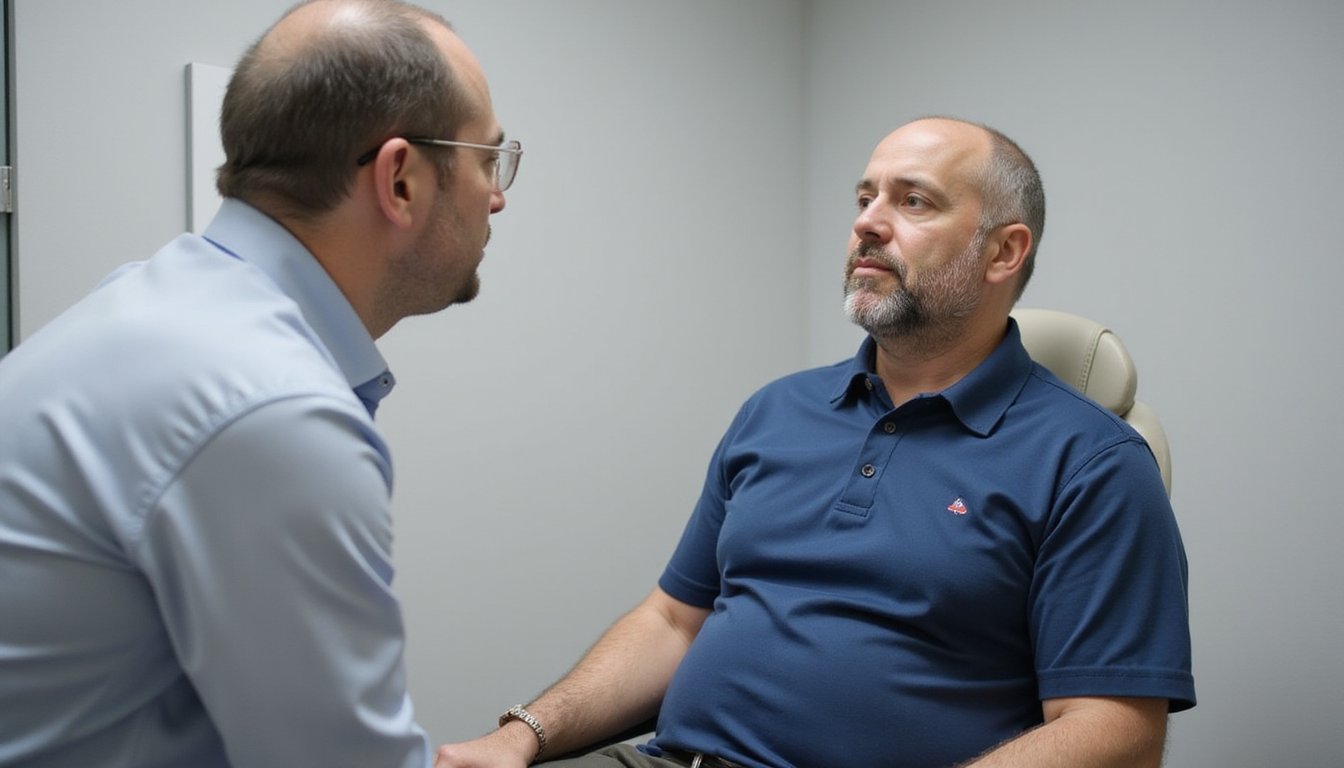
When you enter our structured men’s outpatient detox program, you’ll receive daily medical supervision built around the Clinical Institute Withdrawal Assessment for Alcohol (CIWA-Ar) protocol. Our clinical team conducts assessments every 4 to 6 hours, measuring 10 withdrawal symptoms including tremor, anxiety, sweating, and orientation changes.
Your CIWA-Ar scores determine your customized care pathways. Scores below 8 place you on observation with thiamine and multivitamin support. Scores between 8 and 14 require moderate intervention, while scores of 15 or higher direct you toward intensive treatment.
This structured approach guarantees withdrawal complication prevention through mandatory fall-risk and aspiration precautions alongside symptom monitoring. You won’t receive ad hoc treatment that varies by provider. Instead, you’ll benefit from standardized protocols endorsed by the American Society of Addiction Medicine, eliminating subjective variations that compromise safety. This ensures consistency across providers and establishes the CIWA protocol as the gold standard recognized by major healthcare organizations. Research demonstrates that symptom-based protocols using CIWA-Ar result in significantly lower benzodiazepine doses without increasing the frequency of seizures or delirium tremens. Studies have shown that implementing comprehensive CIWA-Ar protocols leads to reduced hospital length of stay, with one study demonstrating a decrease from 7.2 days to 5.7 days.
Medication-Assisted Treatment Combined With Behavioral Therapy
When you combine medication-assisted treatment with behavioral therapy, you’re accessing an approach that research shows noticeably improves recovery outcomes. Studies demonstrate that FDA-approved medications like buprenorphine and methadone reduce opioid-positive drug tests by up to 33% while increasing treatment retention rates, and these benefits multiply when paired with structured therapeutic support. Research confirms that IOPs are as effective as inpatient treatment for most individuals seeking care while allowing them to remain in their communities. Your treatment team uses validated tools like the CIWA-A scoring protocol to guide medication decisions while integrating behavioral interventions that address the emotional and psychological aspects of your recovery. This comprehensive approach addresses co-occurring disorders like depression, trauma, and anxiety that often accompany substance use challenges. These medications work specifically to reduce cravings and manage withdrawal symptoms, creating the mental clarity needed to fully engage in therapeutic work.
CIWA-A Scoring Protocols
Although alcohol withdrawal can range from mild discomfort to life-threatening complications, the Clinical Institute Withdrawal Assessment for Alcohol-Revised (CIWA-Ar) provides clinicians with a reliable, evidence-based tool to guide your treatment safely.
Symptom Severity Monitoring
The CIWA-Ar evaluates 10 withdrawal symptoms, including tremor, anxiety, agitation, sweating, nausea, and sensory disturbances. Each symptom scores 0-7, with orientation assessed on a 0-4 scale. Your total score determines severity: 0-9 indicates minimal withdrawal, 10-19 reflects moderate symptoms, and scores exceeding 20 signal severe withdrawal requiring intensive intervention.
Risk Assessment Criteria
When your score reaches 8 or higher, you’ll receive hourly monitoring and PRN benzodiazepines through symptom-triggered protocols. Clinicians reassess you 30-60 minutes post-medication to evaluate response. This structured approach prevents dangerous complications like delirium tremens while avoiding unnecessary overmedication during your detox process.
Integrated Treatment Success Rates
How effectively does combining medication-assisted treatment with behavioral therapy improve your recovery outcomes? Research shows you’re 4.44 times more likely to stay in treatment when MAT accompanies counseling compared to counseling alone. Retention rates jump drastically, from 8% to 56% when CBT sessions occur every other week alongside MAT.
Your overdose risk drops 76% at three months with integrated treatment. Evidence based practice guidelines support this combination approach because it addresses both physical dependence and behavioral patterns simultaneously. Medications like buprenorphine and naltrexone work by reducing cravings and withdrawal symptoms, allowing you to focus more fully on therapeutic work. Studies confirm that longer retention in MAT programs leads to more noticeable and permanent changes in drug use, risk behavior, and quality of life. The World Health Organization recognizes both buprenorphine and methadone as essential medicines for treating opioid use disorder.
Strong provider patient engagement influences your success profoundly. When you participate in consistent 60-minute biweekly CBT sessions plus group therapy, compliance reaches 98%. Mental health improvements prove substantial too, anxiety decreases from 49.7% to 23.2%, while depression drops from 54.1% to 23.3% with integrated care.
Proper Patient Screening and Candidacy Assessment

Before initiating outpatient detoxification, clinicians must conduct a detailed assessment to determine whether a patient can safely withdraw from alcohol outside an inpatient setting. Your evaluation includes critical signs, blood alcohol levels, and validated withdrawal severity measures like the CIWA-Ar scale. A customized risk assessment examines your medical history, previous withdrawal complications, and any co-occurring psychiatric conditions.
Clinicians screen for contraindications including prior delirium tremens, withdrawal seizures, active psychosis, or suicidal ideation. Laboratory testing evaluates liver function, electrolyte levels, and overall health status. Women of reproductive age receive pregnancy screening. For men with alcohol dependency and co-occurring mental health disorders, programs offering psychiatric care and medication management provide comprehensive support during the detoxification process.
This extensive evaluation enables tiered treatment services matching intensity to individual need. Common screening tools used in behavioral health settings include AUDIT-C, CRAFFT, and ASSIST to assess substance use patterns and risk levels. If you’ve experienced outpatient treatment failures or have unstable medical conditions, providers will recommend higher levels of care to safeguard your wellbeing during detoxification.
Treatment Duration Matched to Addiction Severity
Your addiction severity directly determines whether you’ll benefit most from a short-term or extended treatment approach. Research shows that 5-7 day structured detox programs achieve 94% completion rates for appropriately screened patients, while those with higher baseline severity often need step-down care from intensive to outpatient settings to prevent faster relapse. Understanding these evidence-based duration options helps you and your treatment team select the intensity level that matches your specific clinical needs. Long-term outcomes demonstrate that extended outpatient participation leads to more time in treatment, less problem severity, and higher rates of sustained abstinence.
Short-Term Program Options
Everyone entering a men’s outpatient detox program doesn’t require the same treatment duration, matching program length to your addiction severity considerably improves outcomes.
Short-term programs lasting 3-7 days work effectively for mild addictions. Research demonstrates a 94% completion rate in structured 5-7 day outpatient alcohol detox settings. When you receive medical supervision during these brief interventions, your completion likelihood increases by 40%.
Your treatment team develops individualized treatment protocols that incorporate holistic wellness approaches alongside medical care. Approximately 60% of outpatients receive psychotropic medication support, contributing to high success rates. These short-term options prove equivalent to inpatient care in reducing substance use.
Following your initial detox, 91% of screened patients successfully move into motivational treatment phases, demonstrating that properly matched short-term programs create strong foundations for continued recovery. Patients who participate in aftercare programs maintain sobriety at rates up to 70% higher than those who don’t receive continued support, making the transition from detox to ongoing care essential for lasting success. Research shows that over 85% of patients who continued treatment beyond 30 days remained sober after one year, highlighting the value of extended engagement even after completing initial detox. Those who achieve lasting recovery report remarkable improvements in well-being, with 88.4% rating their quality of life as good, very good, or excellent.
Long-Term Care Benefits
Long-term care benefits become most apparent when your treatment duration aligns with your addiction severity. Research demonstrates that when you’re appropriately matched to extended outpatient programs, you’ll achieve outcomes equivalent to residential care while maintaining daily responsibilities.
Key Long-Term Care Advantages:
- Sustained abstinence rates – Studies show 46% of participants complete full one-year consecutive treatment, with twelve-step facilitation increasing abstinence at both one- and three-year follow-ups.
- Family engagement opportunities – Extended programs incorporate family support interventions that repair relationships damaged during active addiction.
- Lifestyle modifications integration – Longer treatment allows you to practice evidence-based coping strategies within your real-world environment. This extended timeframe also enables nutritional support that helps rebuild your physical health throughout the recovery process.
If you’re a chronic relapser or treatment-resistant, individualized extended care provides the structured recovery framework matching your addiction severity for lasting success.
Psychotherapeutic Interventions During Structured Daily Visits

When men enter a structured outpatient detox program, psychotherapeutic interventions during daily visits serve as the clinical backbone that transforms medical stabilization into meaningful recovery progress. Evidence based interventions address underlying factors driving addiction, including trauma, emotional distress, and ambivalence about recovery.
| Intervention Type | Clinical Outcome |
|---|---|
| Cognitive-Behavioral Therapy | Active control over recovery trajectory |
| Empowerment focused counseling | 70% increase in treatment participation |
| Trauma-Informed Support | Processing of complex emotions during detox |
| Alliance-Building Sessions | Successful shift to long-term care |
Your treatment team conducts comprehensive evaluations of substance use patterns, mental health status, and recovery goals. This assessment enables personalized protocol development that simultaneously addresses addiction and co-occurring psychiatric conditions like ADHD or bipolar disorder, ensuring you receive integrated care throughout stabilization.
Twelve-Step Facilitation and Peer Support Integration
How effectively you build recovery support networks during outpatient detox directly influences your long-term sobriety outcomes. Research demonstrates you’re twice as likely to achieve abstinent recovery when combining structured treatment with 12-step participation. Twelve-Step Facilitation therapy guides you through 4 to 12 sessions focused on active engagement with mutual-help organizations.
Your structured program incorporates these evidence-based components:
- Peer accountability measures through sponsor acquisition and meeting attendance tracking via journals
- Sober community engagement requiring participation in three or more weekly meetings
- Active involvement expectations including service work, literature study, and step completion
Cochrane Database findings confirm AA’s effectiveness surpasses psychotherapy alone. You’ll develop lasting support networks essential for sustained remission beyond your detox program.
Dual Diagnosis Treatment for Underlying Mental Health Conditions
Dual diagnosis, the co-occurrence of substance use disorders and mental health conditions, affects approximately 50% of men seeking addiction treatment. When you address both conditions simultaneously, you prevent mental health symptoms from resurfacing during detox and reduce anxiety and agitation that can derail your recovery.
Effective dual diagnosis treatment begins with thorough assessments that review your physical health, psychiatric status, and substance history. Specialized teams create personalized plans incorporating evidence-based approaches like CBT, trauma informed therapies, and family counseling to address underlying causes.
This integrated approach builds coping mechanisms for managing triggers while improving psychiatric functioning. You’ll develop healthier patterns for handling stress and emotions. By treating the connection between addiction and mental health, you’ll experience reduced relapse risk and longer-lasting recovery outcomes.
Two-Phase Programs Connecting Detox to Motivational Care
Two-phase outpatient programs create a structured pathway that bridges acute detoxification with sustained motivational care, maximizing your chances for long-term recovery. Research shows 91% of patients progress from detox to the consecutive three-month motivational phase when enrolled in this sequential model.
Key components of effective two-phase programs:
- Staff training programs guarantee clinicians deliver evidence-based motivational interventions alongside medical management
- Family therapy services address relational dynamics that support sustained abstinence
- Progression between phases depends on successful detox completion rather than arbitrary timelines
You’ll benefit from integrated medical and psychological support throughout both phases. Data indicates 46% of patients complete the full one-year treatment protocol, demonstrating that connecting detox directly to motivational care strengthens your recovery foundation tremendously.
Long-Term Abstinence Outcomes and Quality of Life Improvements
When you complete a structured outpatient detox program, your chances of achieving long-term abstinence improve considerably. Research shows 50-70% of intensive outpatient participants report abstinence at follow-up periods spanning 3-18 months. Among rehab completers, 76% remain sober at 3 months, with 70% maintaining sobriety at 9 months.
Evidence based treatments paired with clinical outcome monitoring enhance these results dramatically. Studies demonstrate personalized treatment plans boost success rates by 35%, while extended care following detox increases one-year sustained sobriety rates. You’ll also experience measurable quality of life improvements, 80% of patients report enhanced wellbeing post-treatment, with substantial reductions in Addiction Severity Index scores.
Integrated programs combining medical detox, behavioral therapy, and peer support lower your relapse risk while addressing underlying factors that contribute to sustained recovery success.
Frequently Asked Questions
How Do Outpatient Detox Programs Accommodate Work Schedules During Treatment?
You’ll find outpatient detox programs offer flexible scheduling with evening and weekend sessions that work around your job. Programs typically require 9-15 hours weekly through intensive outpatient formats, avoiding full-day commitments that’d interfere with employment. Transportation assistance and nearby facility placement reduce travel time, boosting completion rates by 50%. With 82% of facilities serving clients who maintain work, you can pursue recovery while preserving your career stability and financial security.
What Family Involvement Options Exist in Men’s Outpatient Detox Programs?
You’ll find several family involvement options in men’s outpatient detox programs. Family counseling sessions allow your loved ones to participate in your recovery while learning how addiction affects relationships. Family support groups provide a peer-based environment where relatives connect with others facing similar challenges. These evidence-based approaches position your family as active partners in treatment, addressing coping strategies and relapse prevention while ensuring you receive thorough, patient-centered care throughout early recovery.
How Much Does a Structured Men’s Outpatient Detox Program Typically Cost?
You’ll typically pay between $250 to $800 daily for a structured men’s outpatient detox program, with treatment duration considerably impacting your total costs. A standard 30-day program averages approximately $5,700, though intensive programs can reach $15,000 to $19,500. Your insurance coverage may reduce out-of-pocket expenses by 50-80%. Most facilities offer financing options, including sliding scale fees and payment plans, ensuring you can access the evidence-based care you need for recovery.
Can Men Continue Living at Home During Outpatient Detoxification Treatment?
Yes, you can continue living at home during outpatient detoxification treatment. Research shows 94% of screened patients successfully completed detox while maintaining their residence. You’ll need to ponder home environment considerations like removing substances and securing support from household members. Independent living challenges require daily clinic visits for 5-7 days, but medical supervision increases completion rates by 40%. This approach works best for mild-to-moderate addiction severity.
What Happens if Someone Relapses During an Outpatient Detox Program?
If you relapse during outpatient detox, you’ll receive an immediate medical assessment to safeguard your safety. Your treatment team adjusts your withdrawal symptom management protocol, including medication changes if your CIWA-A score exceeds 16. You won’t automatically leave the program, 94% of patients continue with structured support. Your clinicians will strengthen relapse prevention strategies through enhanced psychotherapeutic interventions, and they’ll evaluate whether shifting to inpatient care better serves your recovery needs.