
It takes about one hour to metabolize a standard drink, with your body eliminating alcohol at approximately 0.015% BAC per hour. However, true sobriety requires much longer cognitive and motor impairments can persist for 8-12 hours after drinking, even when you feel “fine.” Your specific timeline depends on weight, gender, food consumption, and genetics. Remember, no method except time can speed up alcohol metabolism. Multiple factors determine your personal path to complete sobriety.
The Science Behind Alcohol Metabolism
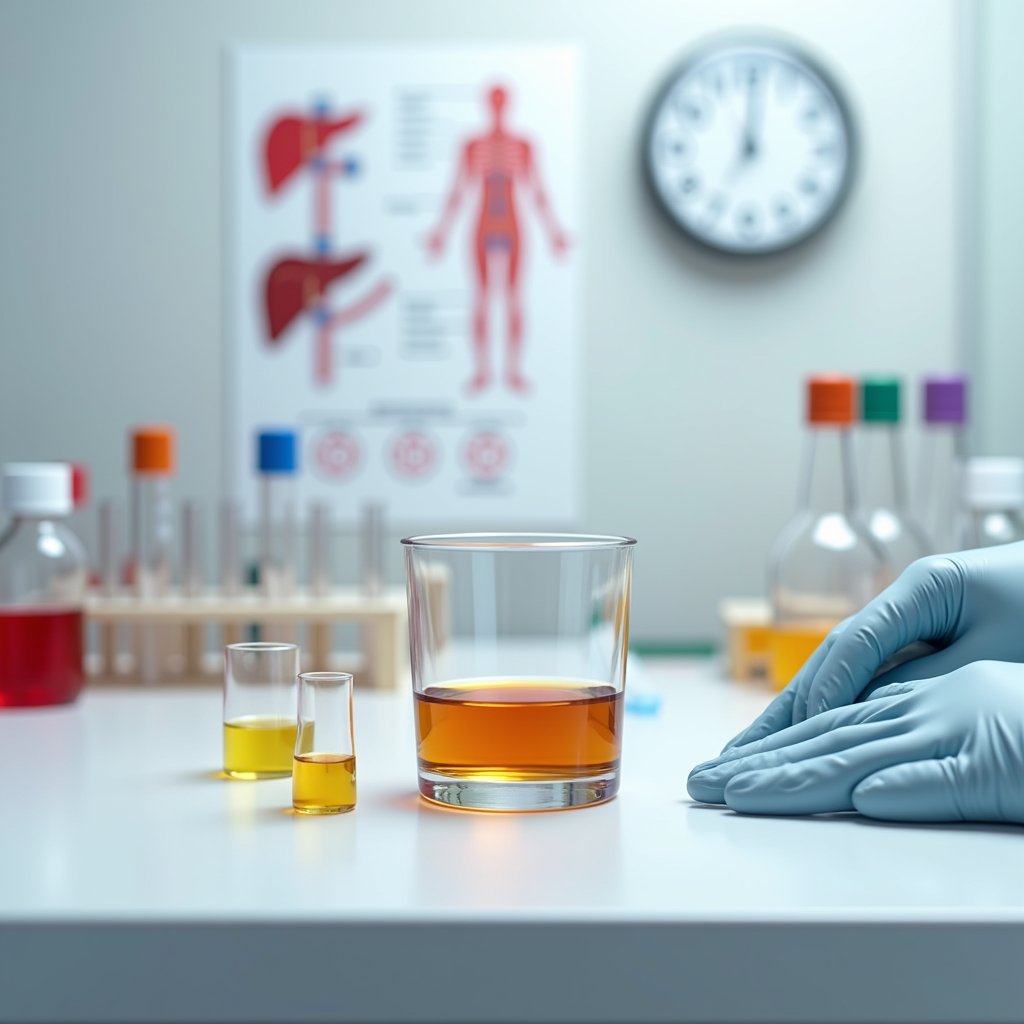 When alcohol enters your bloodstream, your body immediately begins processing it through a complex metabolic pathway. Your liver bears the primary responsibility, metabolizing roughly 90% of consumed alcohol at a consistent rate of about one standard drink per hour, regardless of how much you’ve consumed.
The main metabolic pathways involve the enzymes alcohol dehydrogenase (ADH) and aldehyde dehydrogenase (ALDH), which convert alcohol initially to acetaldehyde, then to acetate. These processes can’t be accelerated by drinking coffee, taking cold showers, or exercising only time guarantees complete alcohol clearance.
Factors affecting your metabolism rate include genetics, biological sex, body weight, liver health, and food consumption. Understanding these biological processes explains why sobriety can’t be rushed and why blood alcohol concentration decreases at a predictable rate.
The One-Hour Rule: Myth or Reality?
The widely accepted one-hour rule suggesting you eliminate one standard drink per hour oversimplifies the complex nature of alcohol metabolism, which varies considerably based on factors like your weight, sex, and liver function. Your body actually eliminates alcohol at a consistent rate of approximately 0.015% blood alcohol concentration per hour, regardless of how much you’ve consumed or any attempted sobering methods. Even when you feel subjectively sober, residual cognitive and motor impairments often persist for hours after your BAC drops below legal limits, creating a dangerous disconnect between perceived and actual fitness to drive.
Alcohol Metabolism Rates
Despite widespread belief, alcohol metabolism doesn’t follow a simple one-hour-per-drink rule for everyone. Your body processes alcohol at varying rates depending on several biological factors. The average person metabolizes approximately 0.016% blood alcohol concentration (BAC) per hour, but this fluctuates considerably between individuals.
Alcohol absorption begins immediately upon consumption, with 20% absorbed through your stomach and 80% through the small intestine. Your liver function plays the vital role in elimination, as it processes about 90-98% of consumed alcohol using enzymes like alcohol dehydrogenase (ADH). Factors that influence metabolism rates include:
- Body weight and composition
- Sex (women typically metabolize alcohol more slowly)
- Maturity
- Genetics
- Food consumption
- Medications
- Liver health
Understanding your personal metabolism rate helps you make informed decisions about alcohol consumption.
Residual Impairment Effects
Contrary to popular belief, your body’s alcohol metabolism rate doesn’t support the widespread “one drink per hour” sobriety rule. Studies show that residual effects persist long after your BAC returns to legal limits, with cognitive impairment affecting your performance for 8-12 hours after drinking.
You’ll experience diminished reaction times, impaired judgment, and reduced coordination even when you feel completely sober. These lingering effects create particular dangers when driving or operating machinery. Research demonstrates that people who “sleep it off” still show measurable deficits in attention and memory the following morning.
Your maturity, metabolism, and general health further influence these residual impairments. The safest approach isn’t counting drinks per hour but allowing significant time often an entire day for your body to fully recover from alcohol’s effects.
Personal Tolerance Variables
Your personal tolerance to alcohol varies dramatically based on multiple physiological factors, rendering the “one drink per hour” rule scientifically unsupported. Research consistently shows that elimination rates fluctuate between 0.01-0.025% BAC hourly, not the uniform 0.015% implied by the one-hour guideline.
Your genetic factors greatly influence alcohol metabolism certain ethnic populations lack sufficient alcohol dehydrogenase enzymes, causing intensified reactions even with minimal consumption. Your personal history with alcohol creates adaptive tolerance; frequent drinkers develop higher tolerance levels while experiencing diminished subjective effects despite considerable impairment.
Additionally, your drinking frequency establishes metabolic tolerance as your liver increases enzyme production with regular exposure. This makes BAC predictions based solely on drink count inherently flawed, as two individuals consuming identical amounts can experience vastly different impairment levels.
How Body Weight and Gender Affect Sobriety Timelines
Your body weight markedly impacts how quickly you’ll sober up, as higher BMI correlates with slower metabolic processing of alcohol. Gender plays an essential role too, with women generally experiencing longer sobriety timelines than men due to differences in enzymes that break down alcohol and typically higher body fat percentages. These biological factors combine to create individualized sobriety timelines that can’t be calculated with a simple one-size-fits all formula.
Metabolism Slows With Weight
Body weight greatly impacts the rate at which alcohol is metabolized in your system. When you carry more body mass, particularly fat tissue, your body’s ability to process alcohol typically decreases. This occurs because fat cells absorb less alcohol than water-rich tissues, leaving more alcohol in your bloodstream for longer periods.
Weight fluctuations can considerably alter your expected sobriety timeline. If you’ve recently gained weight, you might notice that the same amount of alcohol affects you differently than before. Your metabolic rate naturally adjusts with changes in body composition, affecting enzyme activity responsible for alcohol breakdown. Heavier individuals generally experience slower alcohol elimination rates approximately 0.01% BAC per hour less than lighter counterparts extending the time needed to become completely sober after drinking.
Gender Impacts Alcohol Breakdown
Gender differences markedly influence how quickly alcohol is metabolized in the bloodstream, with biological factors creating distinct processing patterns between men and women. Women typically experience higher blood alcohol concentrations than men when consuming identical amounts of alcohol per pound of body weight.
This disparity occurs for three primary reasons:
- Women have less alcohol dehydrogenase enzyme, which breaks down alcohol in the stomach
- Female alcoholics face accelerated liver damage compared to males consuming equivalent amounts
- Women’s higher body fat percentage provides less water to dilute alcohol
Male metabolism generally processes alcohol 20-30% faster due to physiological advantages. You’ll notice these differences particularly when monitoring intoxication levels a woman weighing 140 pounds will remain intoxicated longer than a man of equal weight drinking the same amount.
BMI Affects Sobriety Time
While gender differences contribute greatly to alcohol metabolism rates, body mass index (BMI) plays a likewise essential role in determining sobriety timelines. Higher BMI typically correlates with longer alcohol distribution throughout your body, as alcohol disperses in body water before metabolizing in the liver.
If you’re carrying more body fat (higher BMI), you’ll likely experience more intense intoxication and potentially longer sobriety timelines. This occurs because fat tissue contains less water than muscle tissue, resulting in higher blood alcohol concentrations after equal consumption amounts.
Your liver processes alcohol at approximately one standard drink per hour regardless of your size; however, your initial blood alcohol concentration varies greatly based on your BMI impact. Understanding this relationship helps you make informed decisions about consumption and recovery periods.
Food, Hydration, and Their Impact on Sobering Up
Many people believe that food and water can help them sober up faster after drinking alcohol, but what does the science actually show? While hydration importance cannot be overstated during recovery, water doesn’t actually accelerate alcohol metabolism. Your liver processes alcohol at a fixed rate that nutritional choices cannot change.
However, smart meal timing and recovery foods can help manage symptoms while you wait:
- Protein-rich foods help stabilize blood sugar levels that alcohol disrupts
- Electrolyte balance can be restored with sports drinks or bouillon to reduce headache intensity
- Complex carbohydrates provide sustained energy during recovery without blood sugar spikes
Hydration strategies should focus on consistent water intake before, during, and after drinking rather than desperate attempts to “flush out” alcohol afterward.
Testing Methods: Blood, Breath, and Beyond
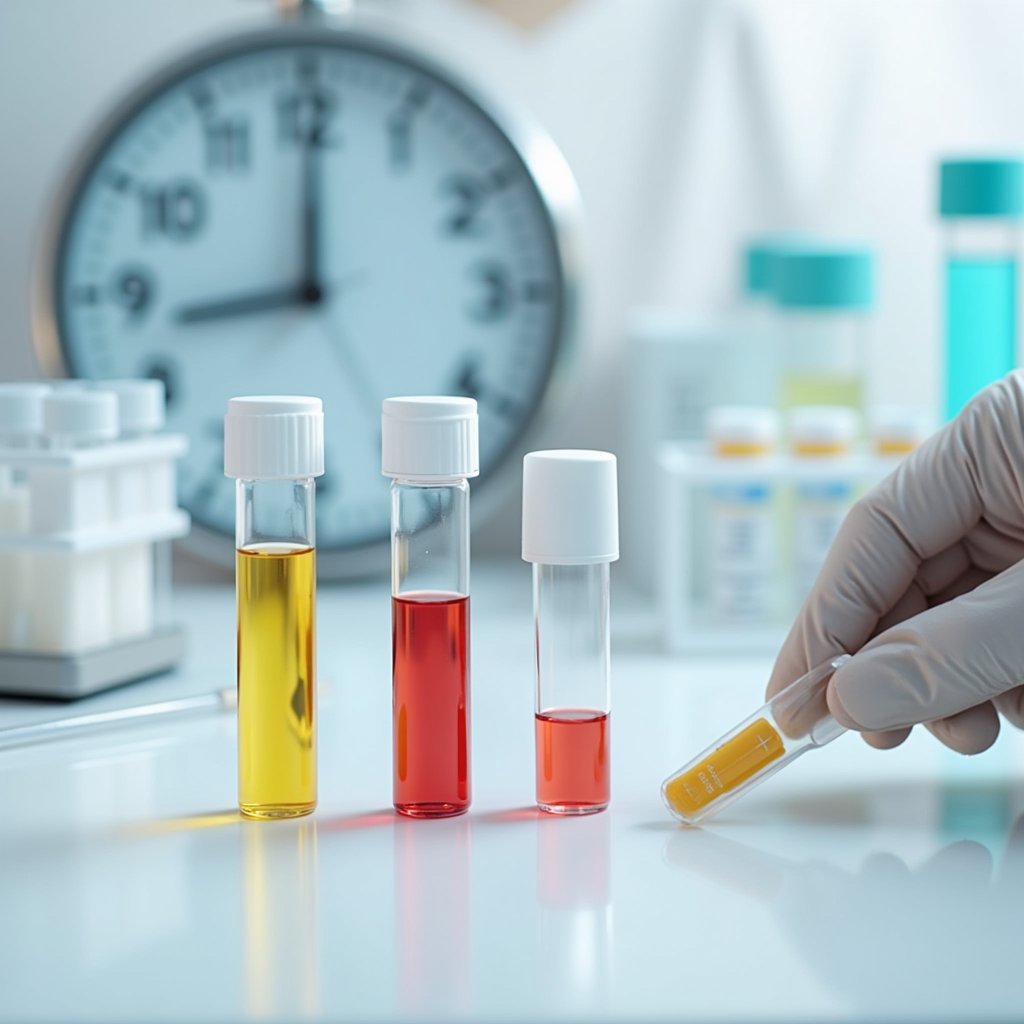
How accurately can alcohol levels be measured in your body? Multiple testing methods offer different levels of precision when determining your blood alcohol concentration (BAC). Understanding these differences is essential if you’re facing legal or medical situations.
| Test Type | Accuracy | Detection Window |
|---|---|---|
| Blood | Highest (±0.01%) | 12-24 hours |
| Breath (Breathalyzer) | Moderate (±0.01-0.02%) | 12-24 hours |
| Urine | Lower (±0.02-0.05%) | 12-72 hours |
| Hair | Lowest for BAC | Up to 90 days |
Breathalyzer accuracy varies greatly based on calibration, proper use, and timing. These devices measure alcohol in your breath to estimate BAC indirectly. Blood test timing provides the most definitive results but requires professional collection. Law enforcement typically relies on breath tests initially due to their convenience, despite their limitations.
Signs You’re Actually Sober (Not Just Feeling Better)
Testing may provide objective measurements, but recognizing when you’re truly sober requires attention to specific physiological and cognitive indicators. True sobriety manifests through observable mental clarity and functional restoration that extend beyond simply feeling better.
Key sobriety indicators that signal complete alcohol elimination include:
- Normalized essential signs – Your blood pressure, pulse, and body temperature return to your baseline measurements
- Restored coordination and reflexes – You can successfully perform complex physical tasks requiring balance and precision
- Complete cognitive functioning – Your decision-making abilities, short-term memory, and concentration skills demonstrate full recovery
Remember that perceived sobriety often precedes actual physiological sobriety. Your subjective assessment of feeling “fine” typically occurs while alcohol remains detectable in your system, potentially impairing judgment and reaction time despite improved symptoms.
Practical Strategies for Safe Drinking and Recovery

While understanding how alcohol leaves your system is essential, implementing practical strategies for responsible drinking and efficient recovery can greatly reduce your risk of impairment.
Limit yourself to one standard drink per hour, as this aligns with your liver’s processing capacity. Stay hydrated by alternating alcoholic beverages with water, which dilutes blood alcohol concentration and reduces dehydration symptoms. Consuming food before drinking slows alcohol absorption, particularly protein-rich options.
For recovery strategies after drinking, prioritize hydration and rest. While coffee might make you feel alert, it won’t accelerate sobriety. Consider using rideshare services or designating a sober driver when planning your night out. Keep in mind that “sobering up” methods like cold showers or exercising don’t actually remove alcohol from your bloodstream.
Frequently Asked Questions
Can Medications Affect How Quickly I Get Sober?
Yes, medications can greatly affect your sobering process. Different medication types interact differently with alcohol, either accelerating or slowing metabolization. Some antibiotics, antidepressants, and blood pressure medications can intensify alcohol’s effects, keeping you intoxicated longer. Conversely, certain medications inhibit alcohol dehydrogenase enzymes, extending impairment duration. Never take medications to “sober up” faster as these alcohol interactions can be dangerous or even fatal. Always consult healthcare professionals about medication timing when alcohol is in your system.
Does Alcohol Tolerance Impact Sobriety Timeline?
Yes, your alcohol tolerance directly impacts your sobriety timeline. Higher tolerance levels mean your body has adapted to processing alcohol more efficiently, which can delay sobriety effects. Your liver still metabolizes alcohol at roughly the same rate (one standard drink per hour), regardless of tolerance. However, you’ll likely experience fewer observable impairment signs at higher BAC levels compared to someone with lower tolerance, potentially creating a dangerous false impression of sobriety despite still being legally impaired.
How Do Hangovers Relate to Actual Sobriety?
Hangovers don’t indicate sobriety – they’re actually symptoms that occur while alcohol remains in your system. You’ll experience hangover symptoms (headache, nausea, fatigue) even when you’re still legally impaired. Your body eliminates alcohol at a fixed rate regardless of these symptoms. Hydration importance can’t be overstated; while water won’t speed up sobriety, it helps alleviate hangover discomfort. Keep in mind that feeling better doesn’t mean you’re safe to drive or perform critical tasks.
Can Exercise or Sweating Help You Sober up Faster?
Exercise won’t accelerate alcohol metabolism or help you sober up faster. Your liver processes alcohol at a fixed rate (about one standard drink per hour), and physical activity can’t change this biological constant. While exercise benefits general health, it doesn’t speed up sobriety. In fact, exercising while intoxicated can be dangerous. Hydration effects from sweating may help with hangover symptoms, but they don’t impact your blood alcohol concentration or actual sobriety timeline.
Do Different Types of Alcohol Metabolize at Different Rates?
All alcoholic beverages contain the same type of alcohol (ethanol) which your body metabolizes at the same rate regardless of source. Your liver processes approximately one standard drink per hour. Beer vs. spirits or wine effects may feel different due to varying alcohol concentrations and other compounds, not metabolism rates. What changes is how quickly you consume alcohol and reach intoxication, not how quickly your body eliminates it once consumed.