
Cocaine typically remains detectable in your system for varying timeframes depending on the test method. It’s present in blood for 24-48 hours, urine for 2-4 days (up to 14 days for heavy users), saliva for 1-2 days, and hair for up to 90 days. Your metabolism rate, body composition, usage frequency, and organ health all influence elimination speed. Understanding these detection windows helps you grasp the persistent health effects of cocaine’s metabolites long after use.
Cocaine’s Half-Life: The Science Behind Its Detection Window
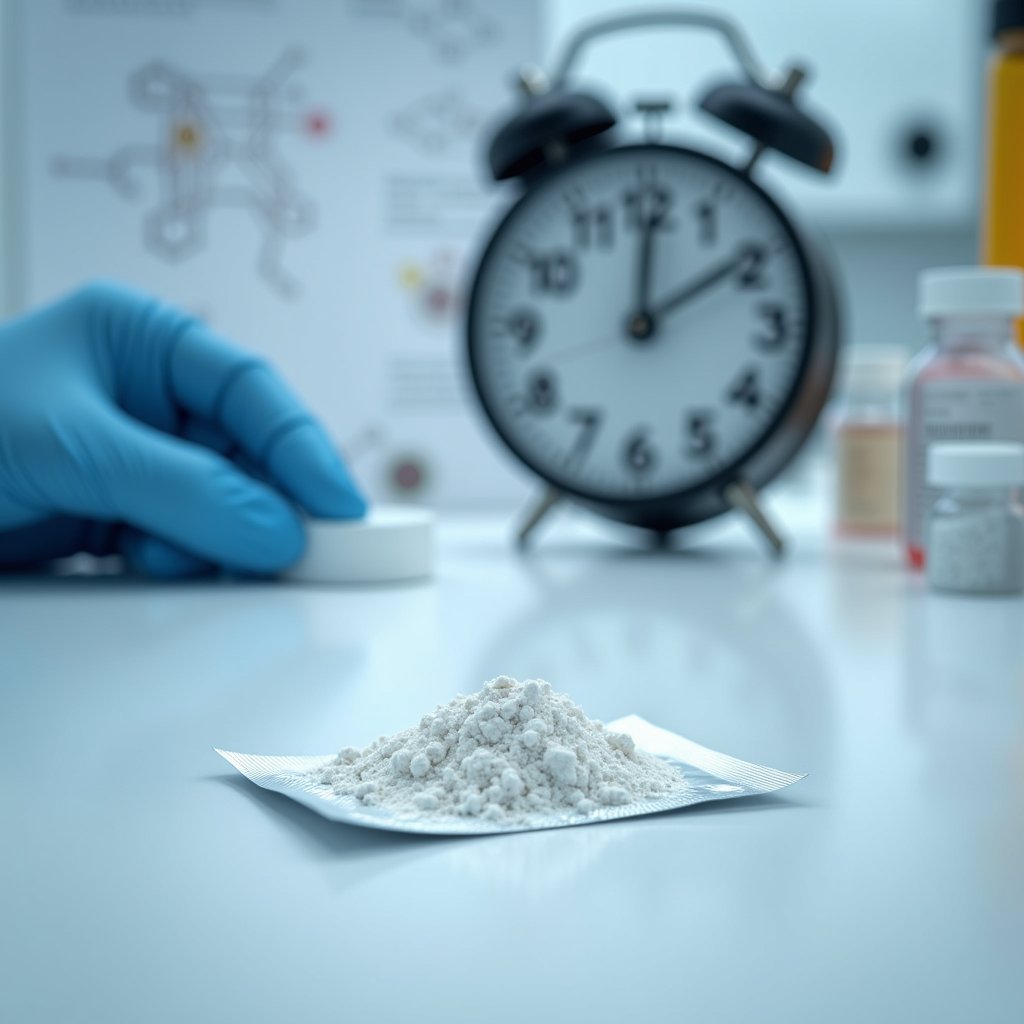
When analyzing how long cocaine remains detectable in the body, understanding its half-life provides critical insight into the drug’s metabolic process. Cocaine has a relatively short half-life of approximately 1 hour, meaning half the drug is eliminated from your bloodstream within this timeframe.
Your body metabolizes cocaine primarily through enzymatic hydrolysis in the liver, producing metabolites like benzoylecgonine, which has a longer half-life of 6-12 hours. This extended metabolite presence explains why cocaine can be detected long after the immediate effects wear off.
Several factors influence drug clearance rates, including your metabolism, kidney function, frequency of use, and dosage. Chronic users experience slower cocaine metabolism due to enzyme saturation, while hydration levels and general health can accelerate or delay elimination timeframes.
Detection Times in Different Bodily Specimens (Blood, Urine, Hair, Saliva)
Cocaine’s detection window varies greatly across different testing methods, with blood tests typically revealing recent use within 24 hours while hair samples can detect cocaine metabolites for up to 90 days. Your urine may show evidence of cocaine use for 2-4 days after consumption, whereas saliva tests generally identify the drug within a 1-2 day timeframe. These detection periods aren’t uniform across all individuals, as factors like metabolic rate, dosage frequency, and the sensitivity of laboratory equipment can considerably influence how long cocaine remains detectable in your system.
Specimen-Specific Detection Windows
Diverse bodily specimens offer different timeframes for detecting cocaine and its metabolites, with each testing method providing unique advantages in specific scenarios. Detection advancements have improved testing accuracy across all specimen types, though significant specimen variability exists in retention periods.
Blood tests detect cocaine for 24-48 hours post-use but offer the most precise measurement of current impairment. Urine screening identifies metabolites for 2-4 days in occasional users, extending to 10-14 days in heavy users. Saliva tests have a narrower window of 1-2 days but are less invasive and harder to adulterate. Hair analysis provides the longest detection period up to 90 days or more as cocaine metabolites become permanently trapped in hair shafts during growth, though external contamination can complicate results.
Metabolite Persistence Factors
Multiple physiological factors greatly influence how long cocaine and its metabolites remain detectable in your system, creating substantial variability between individuals. Your metabolism rate, lifespan, body mass, liver function, and kidney health directly impact persistence duration. Benzoylecgonine, cocaine’s primary metabolite, typically remains detectable longer than the parent compound.
Frequent or heavy use markedly extends detection windows as metabolite types accumulate in body tissues. Hydration levels affect concentration in urine samples, while general health status influences clearance rates. Furthermore, co-consumption with alcohol creates cocaethylene, a metabolite with extended persistence duration.
The method of administration also matters smoked cocaine (crack) enters and leaves your bloodstream faster than intranasal use, but in the end produces the same metabolites with similar detection timeframes.
Testing Sensitivity Differences
Different biological specimens offer distinct detection windows for cocaine and its metabolites, with each testing method presenting unique sensitivity profiles. Blood tests detect cocaine for only 24-48 hours, offering a narrow window but precise measurement of active drug presence. Urine testing, the most common method, identifies metabolites for 2-4 days in occasional users and up to 14 days in heavy users, with detection thresholds typically set at 300 ng/mL.
Saliva tests detect cocaine for 1-2 days with relatively high detection thresholds, making them suitable for recent use assessment. Hair analysis provides the longest detection window up to 90 days by capturing drug deposits in your hair shaft, though it can’t pinpoint usage timing. Each testing method balances sensitivity against the practical need to identify relevant drug exposure.
Key Factors That Influence How Long Cocaine Stays in Your System
While the average detection times provide general guidelines, several biological and behavioral factors greatly influence how long cocaine remains detectable in your system. Your metabolism rate fundamentally affects elimination speed faster metabolisms clear cocaine more quickly. Body mass index and fat percentage matter considerably, as cocaine metabolites bind to fat cells, extending detection windows in individuals with higher body fat.
Frequency and quantity of use directly impact clearance times. Regular users develop cocaine tolerance, requiring higher doses to achieve the same effect, which leads to greater accumulation and longer detection periods. When you stop using, withdrawal symptoms often emerge as your body adjusts to functioning without the drug. Your kidney and liver health, hydration levels, and even genetic factors affecting enzyme production can considerably alter how quickly you process and eliminate cocaine.
Timeline of Cocaine Metabolism and Elimination
Cocaine’s metabolism occurs in multiple phases, beginning with rapid hydrolysis in the liver and converting to metabolites like benzoylecgonine within hours of use. Your detection window varies greatly depending on the testing method used, with blood tests showing cocaine for 12-24 hours while urine tests can detect metabolites for 2-4 days and hair tests for up to 90 days. These elimination timelines shift markedly based on individual factors like metabolism rate, dosage frequency, and general health status.
Metabolic Breakdown Phases
Once introduced to the human body, cocaine undergoes a complex series of metabolic transformations that occur in predictable phases and timeframes. Your liver primarily handles this process through two main metabolic pathways: hydrolysis and oxidative metabolism.
In the initial phase (0-30 minutes), plasma cholinesterase enzymes begin breaking down cocaine into benzoylecgonine and ecgonine methyl ester. During the intermediate phase (30 minutes to 3 hours), peak enzyme activity occurs as your liver cytochrome P450 enzymes further metabolize these compounds. The final elimination phase (3+ hours) involves your kidneys filtering these metabolites from your bloodstream.
Each phase progresses at different rates depending on your metabolic efficiency, with complete elimination typically requiring 3-4 days for occasional users and up to 14 days for chronic users.
Detection Window Factors
The timeline for detecting cocaine in your system varies notably based on several biological and behavioral factors that influence metabolism and elimination rates. Your maturity, weight, and liver function directly impact cocaine’s clearance speed, with younger individuals typically metabolizing the drug faster. Hydration levels affect urinary excretion rates, while frequency of use leads to accumulation that extends detection windows.
Different detection methods have varying sensitivity thresholds: urine tests identify cocaine for 2-4 days, blood tests for 24-48 hours, saliva tests for 1-2 days, and hair tests for up to 90 days. Effective elimination strategies include increased water intake to promote excretion, though this won’t notably accelerate cocaine’s half-life. Exercise may help by enhancing metabolism, but the primary factor remains time as your body naturally processes the substance.
Health Implications of Cocaine’s Lingering Metabolites
While cocaine itself may clear from your bloodstream relatively quickly, the metabolites left behind can trigger a cascade of adverse health effects throughout your body. These compounds continue exerting toxic effects long after the euphoric sensation subsides, contributing to significant long-term health risks.
| Organ System | Health Implications of Lingering Metabolites |
|---|---|
| Cardiovascular | Persistent hypertension, arrhythmias |
| Neurological | Cognitive impairment, seizure risk |
| Hepatic | Liver inflammation, metabolic dysfunction |
| Renal | Kidney damage, filtration impairment |
| Immune | Compromised function, increased infection risk |
Your body continues processing these metabolites through oxidative pathways that generate harmful free radicals, causing cellular damage across multiple systems. This oxidative stress accelerates aging processes and contributes to chronic inflammation, potentially triggering autoimmune responses even weeks after cocaine use.
Common Testing Methods and Their Detection Capabilities

Diverse testing methodologies exist for detecting cocaine and its metabolites, each with distinct sensitivity thresholds and detection windows. Urine tests remain the most common screening method, typically identifying benzoylecgonine for 2-4 days after use, though heavy users may test positive for up to 14 days.
Blood screening offers higher testing accuracy but with a narrower timeframe, usually detecting cocaine for only 24-48 hours. Hair follicle analysis provides the longest detection period up to 90 days but cannot pinpoint recent usage. Saliva tests identify cocaine within minutes of consumption but have relatively short detection limits of 1-2 days.
Each testing method presents specific advantages regarding sensitivity, specificity, and practicality. Your detection risk varies greatly based on usage patterns, metabolism, and the specific testing methodology employed.
Strategies for Faster Elimination: Myths vs. Reality
Many individuals seeking to clear cocaine from their system turn to purported quick-fix methods that often lack scientific validity. Despite widespread claims, drinking excessive water, exercising vigorously, or consuming special detox products won’t considerably accelerate cocaine elimination.
Myth debunking is essential: your body eliminates cocaine primarily through hepatic metabolism at a relatively fixed rate. No scientifically validated elimination techniques exist to greatly speed this process. Your liver enzymes work at their biological capacity regardless of external interventions.
The most reliable approach remains allowing sufficient time for natural clearance. Maintaining proper hydration and general health may support ideal liver function, but won’t dramatically reduce detection windows. Understanding these physiological limitations helps you develop realistic expectations about cocaine clearance timeframes rather than relying on ineffective shortcuts.
Frequently Asked Questions
Can Second-Hand Exposure Cause a Positive Cocaine Test?
Second-hand exposure to cocaine is unlikely to cause a positive drug test result. Unlike marijuana’s second-hand smoke, cocaine particles don’t remain airborne long enough or in sufficient concentrations to be passively absorbed at detectable levels. Modern drug testing methods have specific thresholds designed to distinguish between actual use and environmental exposure. You’d need to be in an extremely concentrated environment with direct exposure to test positive from second-hand contact alone. Most accidental exposures remain below detection thresholds.
Will Drinking Water Help Clear Cocaine Faster Before a Test?
Increased hydration won’t markedly accelerate cocaine elimination from your system before a test. While drinking water may dilute urine temporarily, it doesn’t alter the fundamental metabolic factors governing cocaine clearance. Your body eliminates cocaine primarily through enzymatic processes in the liver that aren’t greatly affected by fluid intake. Excessive water consumption might trigger “dilute” test flags, potentially requiring retesting. Normal hydration is beneficial for general health but won’t meaningfully expedite cocaine clearance before testing.
Can Prescription Medications Cause False-Positive Cocaine Results?
Yes, certain prescription medications can cause false-positive cocaine results on drug tests. Several classes of drugs, including some antidepressants, antibiotics, and pain medications, may cross-react with immunoassay testing methods. These medication interactions can compromise testing accuracy, leading to misleading outcomes. If you’re taking prescriptions and facing a drug test, inform the testing facility beforehand. More sophisticated confirmation testing like gas chromatography-mass spectrometry (GC-MS) can typically differentiate between true cocaine metabolites and pharmaceutical cross-reactants.
Does the Form of Cocaine Affect How Long It’s Detectable?
Yes, different cocaine forms affect detection timeframes. Crack cocaine, being more potent, may remain detectable longer than powdered cocaine. Intravenous use typically creates shorter detection windows than intranasal consumption. Your metabolism, frequency of use, and dosage also influence detection periods. Detection methods vary in sensitivity urine tests detect cocaine metabolites for 2-4 days, blood tests for 24-48 hours, while hair tests can identify use for months. Saliva tests typically detect recent consumption within 1-2 days.
Can Cocaine Be Detected in Sweat or Fingernail Tests?
Yes, cocaine can be detected through both sweat testing and fingernail testing methods. Your sweat can reveal cocaine use for 1-4 weeks after consumption, as the drug excretes through perspiration. Fingernail testing offers an even longer detection window up to 6 months because cocaine metabolites incorporate into your nail matrix as it grows. These alternative testing methods provide more extensive detection timeframes than traditional urine or blood tests for monitoring cocaine use.