
Cocaine itself remains in your system for about 12-48 hours in blood, but its metabolites can be detected in urine for 2-4 days in occasional users and up to 14 days in heavy users. Hair tests have a much longer detection window of up to 90 days. Your metabolism, body composition, and usage frequency greatly affect detection timeframes. Understanding these variables gives you essential context for what influences cocaine’s presence in your body.
Cocaine’s Half-Life and Immediate Metabolism

Cocaine’s half-life the time it takes for half the drug to be eliminated from your bloodstream ranges from 0.5 to 1.5 hours, making it a relatively short-acting stimulant. Despite this brief half-life, cocaine metabolism produces several active metabolites that remain detectable much longer than the parent drug.
Your liver primarily processes cocaine through enzymatic hydrolysis, creating benzoylecgonine, which has a half-life of 6-8 hours. This extended half-life implications affect detection windows in drug tests. Moreover, when cocaine and alcohol are consumed together, your body forms cocaethylene, a compound with a longer half-life and increased toxicity.
The rapid cocaine metabolism explains why the drug’s euphoric effects typically last only 15-30 minutes when snorted, yet testing positive can occur days after use.
Detection Windows Across Different Test Methods
Cocaine detection varies considerably across different testing methods, with each having distinct timeframes for identifying drug use. Urine tests, the most common screening method, can detect cocaine metabolites for 2-4 days in occasional users and up to 14 days in heavy users, while blood tests offer a narrower detection window of approximately 24-48 hours. Hair follicle analysis provides the longest detection period, with cocaine metabolites remaining identifiable for up to 90 days or longer, depending on the length of hair sampled.
Urine Testing Timeframes
Regarding detection via urinalysis, cocaine typically remains detectable for 2-4 days after last use in occasional users. However, for heavy or chronic users, detection windows can extend to 10-14 days as the drug accumulates in your system over time.
Urine composition affects testing accuracy, as hydration levels and pH can influence concentration of cocaine metabolites. The primary metabolite detected, benzoylecgonine, persists longer than cocaine itself, which is why urine tests don’t necessarily indicate current impairment but rather recent use.
Most standard urine screenings use a cutoff level of 300 ng/mL, though more sensitive confirmatory tests can detect levels as low as 150 ng/mL. False positives are rare with modern testing methods when proper chain-of-custody protocols are followed.
Blood Detection Periods
Unlike urine testing with its extended detection windows, blood tests offer a narrower timeframe for cocaine detection. Cocaine typically remains detectable in your bloodstream for approximately 12-24 hours after use, though this can extend to 48 hours with heavy or frequent consumption.
Blood tests provide the most accurate measure of active intoxication, making them valuable for medical emergencies or legal situations requiring precise determination of recent use. These tests have detection limits as low as 25-50 ng/mL, depending on the laboratory methodology employed.
Several factors influence detection periods in blood, including metabolism rate, dosage, frequency of use, and individual physiological differences. Your liver processes cocaine primarily through enzymatic hydrolysis, converting it to metabolites that clear from the bloodstream relatively quickly compared to their presence in urine or hair.
Hair Follicle Analysis
The hair follicle test stands as the most long-lasting detection method for cocaine use, with a typical detection window spanning up to 90 days or more. When you consume cocaine, metabolites become trapped in your hair shaft as it grows, creating a historical record of drug use patterns.
- Hair grows approximately 0.5 inches per month, with each inch representing roughly 60 days of your usage history
- Testing accuracy depends on the quantity of cocaine used and frequency of consumption
- External contamination can occasionally produce false positives, though labs employ washing protocols to minimize this risk
- Body hair may provide different detection windows than scalp hair due to varied growth rates
These tests require specialized laboratory equipment and are considerably more expensive than urine or saliva testing methods.
Factors That Influence Cocaine Retention in the Body
Numerous biological and behavioral factors greatly influence how long cocaine remains detectable in your system. Your individual metabolism plays a vital role those with faster metabolic rates typically eliminate the drug more quickly than individuals with slower metabolism. Body composition also matters; cocaine is lipophilic, meaning it’s stored in fat tissues, so higher body fat percentages may extend detection times.
The speed at which cocaine leaves your system depends largely on your unique metabolism and body fat percentage.
Other significant factors include:
- Frequency of use (chronic users retain cocaine longer)
- Dosage amount (larger quantities take longer to eliminate)
- Route of administration (smoking creates different metabolites than snorting)
- Kidney and liver function (impaired organs slow elimination)
- Hydration levels (well-hydrated bodies may clear toxins faster)
- Maturity (metabolic efficiency typically decreases with maturity)
Cocaine in Blood: Detection Timeframes and Variables
Cocaine detection in blood typically ranges from 24-48 hours after use but can differ based on your individual metabolism, dosage, and frequency of use. Your maturity, weight, and liver function directly impact how quickly your body processes and eliminates cocaine from your bloodstream. These detection windows become especially relevant in medical screenings and toxicology tests, where diverse sensitivity thresholds can influence positive result timeframes.
Detection Windows Vary
While many drug tests can detect cocaine, blood tests provide precise measurement of active drug concentrations in your system. Different detection methods reveal different timeframes, with individual variability greatly impacting how long cocaine remains detectable in your bloodstream.
- Blood tests typically detect cocaine for 12-48 hours after use
- Metabolites like benzoylecgonine may remain detectable longer than the parent drug
- Heavy or chronic users tend to have extended detection windows compared to occasional users
- Your metabolism rate, hydration level, and liver function directly affect elimination speed
The cocaine detection window isn’t uniform across all users. Your unique physiological factors, including body mass, maturity, and general health status, create a personalized timeline for drug clearance that detection tests must account for when analyzing blood samples.
Influence Factors Explained
Several interrelated factors determine how long cocaine remains detectable in your bloodstream, creating considerable variability across individual users. Your metabolism rate, influenced by maturity, gender, and genetics, greatly impacts elimination speed. Heavier users, especially those with cocaine tolerance, typically show extended detection windows due to accumulated metabolites in their system.
Liver and kidney function directly affects how quickly your body processes and eliminates the drug. Hydration levels also matter proper hydration can accelerate cocaine clearance through increased urination. Your body mass index affects distribution and storage of metabolites within fat tissues. Remarkably, individuals experiencing withdrawal symptoms often have lingering traces as their bodies struggle to reach homeostasis. The purity and quantity of cocaine consumed represent extra variables that influence detection timeframes.
Urine Testing: The Most Common Screening Method
Among all drug testing methodologies available today, urine testing remains the most frequently employed method for detecting cocaine metabolites in the human body. Your urine composition changes after cocaine use, as your kidneys filter the metabolite benzoylecgonine into your urinary tract. Testing accuracy depends on several factors, including the sensitivity of the immunoassay used and the cutoff concentration (typically 300 ng/mL).
- Detectable window: Cocaine metabolites typically remain present in urine for 2-4 days after use
- Confirmatory testing: Positive screens are verified using gas chromatography/mass spectrometry
- False positives: Rare but possible due to certain medications or lab errors
- Detection limitations: Cannot determine exact time of use or level of impairment
Hair Follicle Testing: Long-Term Evidence of Cocaine Use
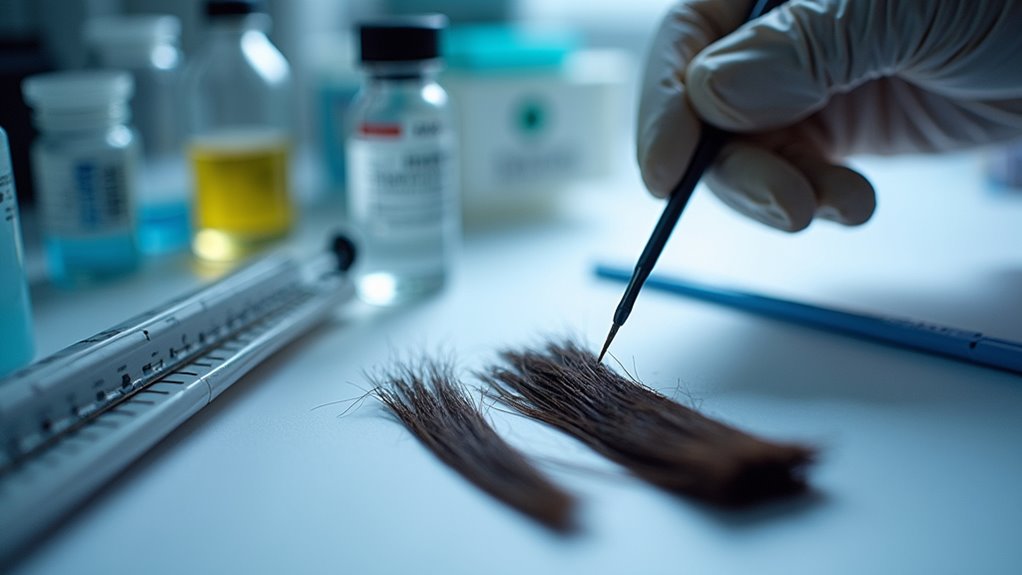
Hair follicle testing represents the most thorough method for detecting long-term cocaine use, as traces of cocaine and its metabolites become embedded in your hair shaft as it grows.
This testing method can detect cocaine use for up to 90 days, sometimes longer depending on hair length. Your hair grows approximately 1/2 inch per month, with each inch potentially documenting two months of substance history. Unlike urine or blood tests, hair follicle analysis reveals patterns of repeated use rather than isolated incidents.
The process captures cocaine’s long term effects on your body by measuring cocaine and benzoylecgonine concentrations in hair segments. Through follicle growth analysis, technicians can create a timeline of your cocaine consumption. This method remains effective despite washing or styling products, making it particularly valuable for employment screenings and legal investigations.
How Frequency of Use Affects Detection Periods
The frequency with which you use cocaine greatly impacts how long it remains detectable in your system. Regular users build up higher concentrations of the drug and its metabolites compared to occasional users, extending detection windows across all testing methods.
Usage patterns greatly influence detection timeframes:
- Single use – Typically detectable for 2-4 days in urine, with shorter windows in blood and saliva
- Weekend use – May remain detectable for 5-7 days as the drug accumulates in your system
- Regular use – Can extend detection to 10-14 days in urine tests due to frequency effects
- Chronic heavy use – May be detectable for up to 3 weeks as cocaine metabolites store in fatty tissues
These timeframes vary based on individual metabolism, dosage amount, and purity of the substance.
Cocaine Metabolites and Their Persistence in Your System
When cocaine enters your body, it quickly breaks down into several metabolites that persist much longer than the parent drug itself. The primary metabolite, benzoylecgonine, can be detected for 2-4 days in occasional users and up to 10 days in chronic users.
Your liver handles most of the cocaine breakdown through two main metabolic pathways. Hydrolysis produces benzoylecgonine, while enzymatic processes create norcocaine and ecgonine methyl ester. Each metabolite has different elimination rates, which explains the varying detection windows across test types.
Blood tests may detect metabolites for 24-48 hours, while hair follicle tests can identify them for months. Factors like your metabolism rate, kidney function, and hydration level further influence how quickly you’ll clear these substances from your system.
Frequently Asked Questions
Can Secondhand Exposure to Cocaine Cause a Positive Drug Test?
Secondhand exposure to cocaine is unlikely to cause a positive drug test. Unlike secondhand smoke from marijuana, cocaine exposure through the air typically doesn’t result in enough absorption to trigger positive results in standard drug testing. You’d need to be in an extremely concentrated environment for extended periods to potentially test positive. Most drug tests have threshold levels specifically designed to distinguish between active use and incidental environmental exposure.
How Can I Speed up Cocaine Elimination From My Body?
You can’t markedly accelerate cocaine elimination from your body through detox methods. The metabolic processes occur at a fixed rate. However, staying well-hydrated may support normal kidney function. Avoid dehydration by consuming adequate water. No special hydration strategies or commercial detox products have been scientifically proven to speed up cocaine clearance. The drug and its metabolites will clear according to your body’s natural elimination timeline regardless of attempts to expedite the process.
Do Cocaine Drug Tests Detect Crack Cocaine Differently?
No, standard cocaine drug tests don’t distinguish between powder cocaine and crack cocaine. Both forms contain the same active compound (cocaine hydrochloride) and produce identical metabolites that testing detects. Cocaine testing methods like urine, blood, saliva, or hair follicle screenings identify these same metabolites regardless of ingestion method. The difference between crack and powder cocaine lies in administration route rather than chemical structure, so crack detection yields fundamentally identical results in laboratory screening processes.
Can Certain Medications Cause False Positives for Cocaine?
Yes, certain medications can trigger false positives for cocaine on drug tests. Medications like topical anesthetics containing lidocaine, some antibiotics, and specific antipsychotics may affect testing accuracy. Your medication interactions with screening methods can produce misleading results, particularly in immunoassay tests. More sophisticated confirmatory tests like GC-MS can typically distinguish between actual cocaine metabolites and similar compounds from medications. Always disclose all medications to testing personnel before undergoing a drug screening.
Is Cocaine Detection Affected by Pregnancy or Certain Medical Conditions?
Pregnancy can influence cocaine detection due to metabolic changes that may alter how your body processes the drug. During pregnancy, you’ll experience increased blood volume and altered kidney function, potentially affecting detection timeframes. Certain medical conditions, particularly liver or kidney disorders, can considerably impact cocaine metabolism and elimination rates. These conditions may prolong detection windows as your body struggles to clear the drug efficiently. Furthermore, diabetes and thyroid disorders might influence how cocaine appears in different testing methods.