
Your edible high will typically last 4 to 8 hours, though this timeline shifts based on your THC dosage and individual metabolism. Low doses (2.5-5mg) generally produce effects lasting 4-6 hours, while higher doses (15mg+) can extend your experience to 8-12 hours. Your liver converts THC into 11-hydroxy-THC, a more potent metabolite that prolongs effects compared to smoking. Understanding the specific factors that influence your duration can help you plan accordingly.
Understanding the Onset Timeline for THC Gummies
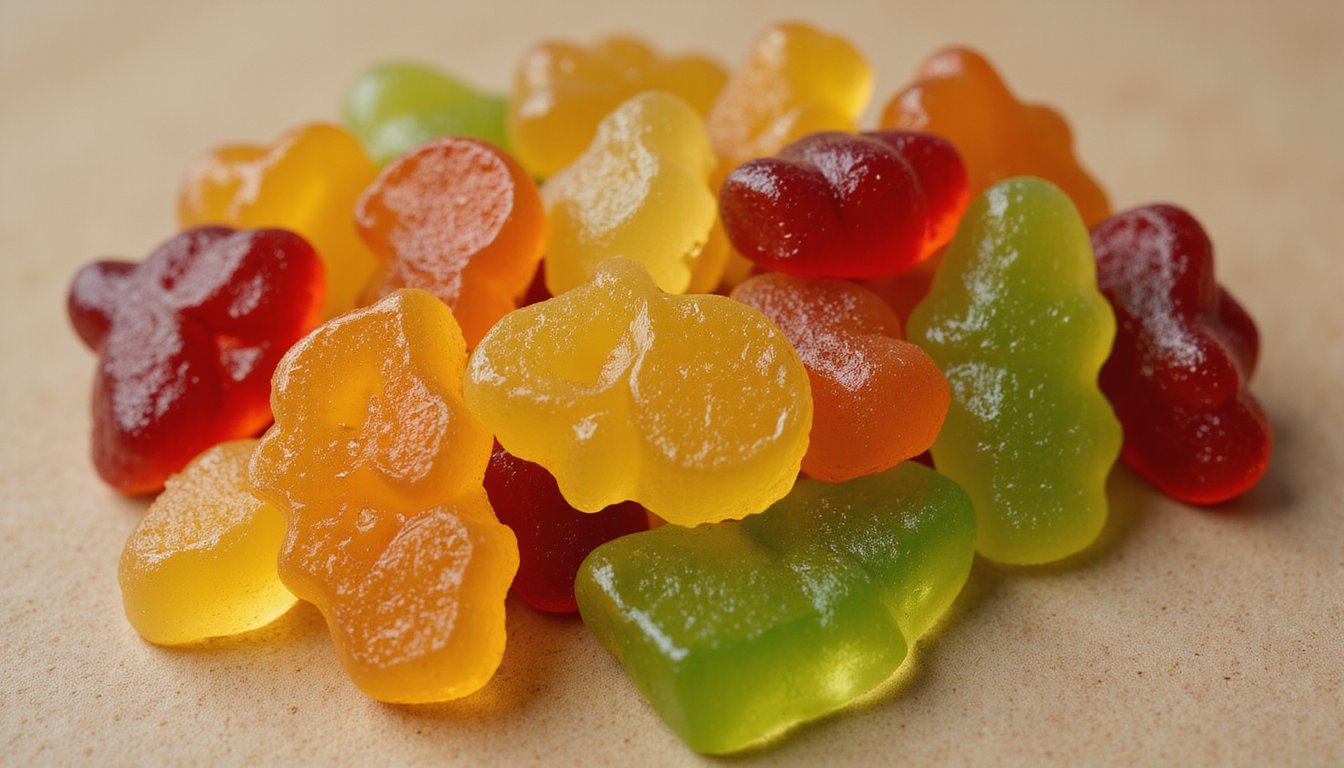
When you consume a THC gummy, you won’t feel effects immediately, the typical onset window spans 30 to 90 minutes, with most users noticing initial effects around the 30 to 60 minute mark. This delay occurs because your body must digest the gummy before THC enters your bloodstream and travels to your liver for conversion into 11-hydroxy-THC, a more potent metabolite. This first-pass metabolism process is the primary reason edibles take longer to produce effects compared to other consumption methods. After experiencing the initial effects, users may also want to be aware of the edible comedown timeline, which can vary significantly depending on individual metabolism and dosage. Typically, the peak effects last for a couple of hours, followed by a gradual decline that can last several hours more.
Your individual metabolism profoundly influences how long does a gummy high last and when it begins. An empty stomach accelerates onset toward 30 minutes, while a full stomach, especially after high-fat meals, can push effects beyond 60 minutes. Body weight, tolerance levels, and gastric emptying rates create additional variability. Don’t mistake delayed onset for product failure; wait at least 45, 90 minutes before considering additional doses. This delayed onset makes it easy to accidentally overconsume edibles, which can lead to uncomfortable experiences. Regular cannabis users often experience quicker onset times compared to occasional users because their endocannabinoid system is primed from consistent exposure.
When Edible Effects Reach Peak Intensity
The peak intensity window for THC edibles occurs between 2 to 4 hours after ingestion, though individual responses can extend this range to 6 hours depending on metabolism, dosage, and tolerance. During this phase, your liver converts THC into 11-hydroxy-THC, a metabolite that produces stronger, more immersive effects than inhaled cannabis. This first-pass metabolism process is what makes edible experiences distinctly more potent than other consumption methods.
When considering how long does a 10mg edible last at peak intensity, expect the strongest sensations to persist for several hours. Your body chemistry, stomach contents, and cannabinoid tolerance directly influence this duration. Fatty foods consumed beforehand may delay onset but intensify peak effects. It’s important to note that smoking tolerance does not directly translate to edible tolerance, so experienced smokers should still approach edibles cautiously.
Unlike inhaled cannabis that peaks within 30 minutes, edibles deliver a gradual climb to maximum potency. Blood THC levels reach their highest concentration around 3 hours post-consumption, creating that characteristic full-body experience. The overall edible high generally lasts 6 to 8 hours, making timing and dosage planning essential for a comfortable experience.
Total Duration of Your Edible High Experience
Beyond peak intensity, your total edible experience follows a predictable timeline shaped by dosage, metabolism, and individual tolerance. Understanding how long do edible effects last helps you plan appropriately for the full duration.
At low doses between 2.5mg and 5mg, expect effects lasting 4 to 6 hours. Standard doses produce a 6 to 8 hour experience, while high-potency products exceeding 15mg extend your high to 8 to 12 hours.
Your liver converts THC into 11-hydroxy-THC, a more potent metabolite that prolongs duration compared to inhalation methods. This metabolic processing explains why edibles outlast smoking by several hours. The 11-hydroxy-THC metabolite produces more potent psychoactive effects than the original THC compound.
Residual effects may linger up to 24 hours, particularly with higher doses or if you’re THC-sensitive. THC metabolites remain detectable in your system for 1 to 30 days after consumption. Detection times vary significantly based on history of use and body fat, with chronic users and those with higher body fat percentages experiencing longer detection windows.
Key Factors That Influence How Long Effects Last
Several interconnected factors determine how long your edible high persists, with THC dosage exerting the strongest influence on total duration. Higher milligram doses extend both peak effects and comedown phases, pushing total duration toward 12+ hours for strong servings. Your metabolic rate plays an equally critical role, genetic variants in CYP2C9 liver enzymes can make you an ultra-slow processor, vastly lengthening how long does a thc gummy high last.
Body composition matters too. Higher body fat percentages create reservoirs for fat-soluble THC, smoothing but extending effects. Tolerance from regular use typically shortens perceived duration, while naïve consumers experience prolonged highs at identical doses. Stomach contents also influence duration, consuming edibles with high-fat meals increases bioavailability and creates slow-release absorption, ultimately extending your effect window compared to empty-stomach consumption. The liver’s conversion of THC into more potent metabolites during first-pass metabolism is a key reason edible effects feel stronger and last longer than inhaled cannabis. Understanding these duration factors is especially important for individuals navigating drug testing in professional environments where THC detection may have significant consequences. For newcomers, experts recommend starting with 2.5-5mg THC and waiting at least two hours before consuming more to gauge individual response.
Edibles vs. Other Consumption Methods: A Duration Comparison

Understanding your individual metabolism factors provides valuable context, but comparing edibles to other consumption methods reveals why duration differences exist at a fundamental pharmacokinetic level.
When you smoke or vape cannabis, THC enters your bloodstream through lung tissue within seconds, producing effects lasting 1, 3 hours. Edibles follow a completely different pathway. Your liver converts THC into 11-hydroxy-THC, a more potent metabolite that extends how long a high from edibles last to 6, 8 hours typically.
How long do THC edibles last compared to inhalation? You’ll experience effects 2, 4 times longer. How long do the effects of THC gummies last depends on dosage: low doses (2.5, 5mg) produce 4, 6 hours of effects, while doses exceeding 10mg can extend duration to 8, 12 hours. This answers how long does an edible high last, substantially longer than inhaled cannabis. It’s also important to consider individual factors such as metabolism, tolerance, and body weight, as these can significantly influence how long the effects of different THC dosages are felt. Additionally, for those looking to manage their THC intake or reduce dependence, cannabis detox treatment can be a beneficial option. This process helps individuals clear THC from their system, potentially altering their tolerance and sensitivity to future dosages.
Frequently Asked Questions
Can I Drive the Day After Taking a THC Gummy?
You can likely drive the day after taking a THC gummy, but it depends on your dose, metabolism, and tolerance. Residual effects like mental fog can persist up to 24 hours after peak intensity, especially with higher doses. Your liver converts THC into 11-hydroxy-THC, which prolongs brain effects compared to smoking. Don’t drive if you’re experiencing any lingering fogginess, wait until you’ve fully returned to baseline.
What Should I Do if My Edible High Feels Too Intense?
If your edible high feels too intense, you’ll want to stay calm and hydrate immediately. Move to a quiet, comfortable space and practice deep breathing for 5-10 minutes. You can try consuming black peppercorns or CBD to counteract THC’s effects through terpene interaction. Remember, peak intensity typically lasts 2-6 hours before your metabolism processes the cannabinoids. Avoid additional consumption and don’t drive for 12-24 hours post-ingestion.
Will Drinking Water Help Flush THC Out of My System Faster?
No, drinking water won’t flush THC from your system faster. THC is fat-soluble, meaning it’s stored in your adipose tissue and metabolized by your liver, not eliminated through urine by increasing fluid intake. Your clearance rate depends on usage frequency, body fat percentage, and metabolic function. While staying hydrated supports overall health, excessive water consumption won’t accelerate THC elimination and may even cause hyponatremia without any detox benefit.
Can I Take Another Gummy if I Don’t Feel Effects After One Hour?
You shouldn’t take another gummy after just one hour. THC edibles require digestive processing and liver metabolism before reaching your bloodstream, meaning peak effects won’t hit until 60-120 minutes post-ingestion. Redosing prematurely risks overconsumption, potentially triggering paranoia, disorientation, or an excessive high lasting 4-12 hours. Wait at least two hours before evaluating whether you need more. Your metabolism, recent meals, and tolerance all influence absorption timing.
How Long Should I Wait Between Edible Doses to Avoid Overconsumption?
You should wait at least 4 hours before taking another edible dose. Since THC metabolizes through your liver into 11-hydroxy-THC, effects can take 2-4 hours to fully manifest. Don’t redose during the peak window of 2-6 hours post-ingestion. Your metabolism, tolerance, and body weight influence processing speed, so waiting a full 6-12 hour cycle guarantees you’ve experienced the complete effect before adding more cannabinoids to your system.