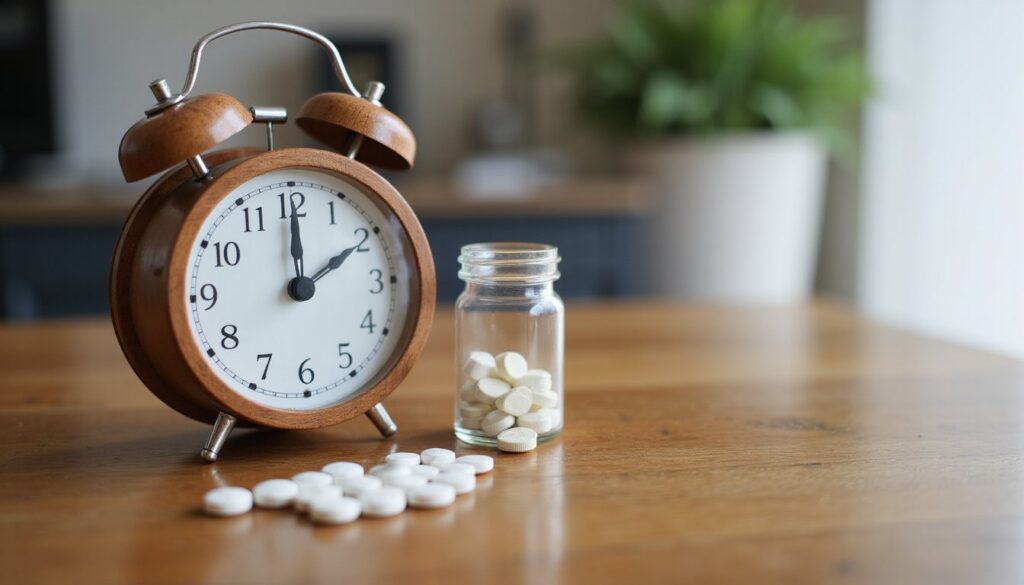
Is it Safe to Detox From Alcohol at Home?
If you’re considering detoxing from alcohol at home, I understand why. It seems private, cost-effective, and like something you can just “power through” over a weekend.
However, it’s essential to recognize that alcohol withdrawal isn’t akin to a bad hangover. For many, it morphs into a serious medical situation that can escalate quickly. Let’s have an honest discussion about the reality of home detox, the associated risks, who it might be safe for, and what safer alternatives (like outpatient detox) look like.
Why “Detoxing at Home” Sounds Simple (But Often Isn’t)
Most individuals contemplating home detox are not being reckless; they are simply human. Common reasons cited include:
- Privacy: “I don’t want anyone to know.”
- Cost worries: “I can’t afford treatment.”
- Embarrassment or shame: “I should be able to handle this.”
- Responsibilities: Kids, work, caregiving, and life that doesn’t pause.
But here’s the crucial point: alcohol detox is not merely about abstaining from drinking. It’s a process where your body and brain are [adjusting to the absence of alcohol after becoming dependent on it](https://cascobayrecovery.com/acamprosate-for-alcohol-addiction).
If dependence is present, stopping alcohol can trigger withdrawal, which can be unpredictable. This article will guide you through:
- What alcohol withdrawal can look like
- Why it can be risky at home
- Who should never detox at home
- How outpatient detox can offer a safer middle option
Additionally, if you’re looking for strategies to cope with social situations where alcohol is present, such as Thanksgiving, we have some helpful tips for saying no to alcohol. Lastly, understanding the duration of alcohol rehab can also provide valuable insight into the recovery process.

What Happens in Your Body During Alcohol Withdrawal
Alcohol affects your nervous system. Over time, if you drink heavily or regularly enough, your brain starts adapting to alcohol being there all the time.
A simple way to think about it:
- Alcohol slows things down in the brain and body.
- Your brain tries to “balance” that by speeding things up behind the scenes.
- When you suddenly remove alcohol, your brain is still stuck in that “sped up” mode.
That “rebound” is withdrawal, and it can show up as anxiety, shaking, racing heart, sweating, nausea, and in severe cases, seizures or delirium. To manage these symptoms effectively, seeking professional help such as outpatient alcohol treatment can be beneficial.
A general withdrawal timeline (ranges vary)
Withdrawal can start and change quickly. A general pattern looks like this:
- 6, 12 hours after last drink: early symptoms may begin (anxiety, tremors, nausea, sweating, insomnia)
- 24, 72 hours: symptoms often peak (this is a common window for severe symptoms, including seizures)
- 3, 7 days: many symptoms improve, but sleep and mood issues can linger longer
Why severity is hard to predict
Two people can drink “about the same” and have totally different withdrawals. Severity depends on things like:
- How long you’ve been drinking and how much
- Whether you’ve had withdrawals before (this matters a lot)
- Age and overall health
- Liver or heart conditions
- Other substances (including benzos, opioids, stimulants)
- Medications and mental health conditions
And this is the part that surprises people: withdrawal can feel manageable at first, then escalate quickly, especially overnight or on days 2, 3.
However, it’s important to remember that despite the challenges of withdrawal, there are numerous benefits of quitting alcohol that make it worthwhile. Moreover, September is recognized as National Alcohol and Drug Addiction Recovery Month, a time to raise awareness about addiction recovery. For those struggling with severe withdrawal symptoms, there are also medications available to treat alcohol withdrawal which can significantly ease the process.
Common Symptoms People Try to “Push Through” at Home
A lot of folks try to white-knuckle symptoms like:
- Shaking or tremors
- Sweating
- Anxiety or panic
- Nausea and vomiting
- Headache
- Insomnia
- Rapid heart rate
- Elevated blood pressure
Even when symptoms are considered “mild to moderate,” they can still make home detox unsafe. Here’s why:
- Vomiting + sweating + poor intake = dehydration, and dehydration can worsen symptoms
- Weakness and dizziness increase the risk of falls or fainting
- No sleep can intensify anxiety, confusion, and cravings
- Panic symptoms can feel like a medical emergency (and sometimes overlap with one)
Also, “mild” doesn’t always stay mild. Many severe complications don’t start in hour one. They show up later, when someone is home alone thinking, “I’m fine, I got through the first day.”
Severe Withdrawal: The Risks Most People Don’t Expect
Severe alcohol withdrawal can include symptoms such as:
- Hallucinations (seeing or hearing things that aren’t there)
- Seizures
- Delirium tremens (DTs)
- Dangerously high blood pressure or heart rate
DTs are the one most people don’t see coming, and they are a medical emergency. They can involve:
- Confusion and disorientation
- Severe agitation
- Fever
- Heavy sweating and dehydration
- Tremors that won’t stop
Without medical treatment and monitoring, DTs can be life-threatening.
The biggest risk with detoxing at home is simple: no monitoring and delayed emergency response. When things escalate, it may already be a crisis.
Is It Safe to Detox From Alcohol at Home? The Reality
So, is it safe?
It depends, but for many people with alcohol dependence, it’s often not safe to detox at home.
Part of the confusion is that people mix up cutting back with detox.
- Cutting back: reducing drinking, sometimes gradually, sometimes with support
- Detox: stopping alcohol when dependence exists, which can trigger withdrawal
Detox isn’t a willpower test. It’s not about being “tough enough.” The safest detox is the one with:
- A medical screening
- A clear plan
- The right level of support (which may be outpatient or inpatient depending on risk)
If you’re reading this and thinking, “I’m not sure how serious my withdrawal would be,” that’s exactly the point. It’s hard to self-diagnose risk based on vibes, pride, or what happened last time.
Who Should NOT Detox at Home (High-Risk Situations)
Home detox is especially risky if any of these apply:
- Heavy or long-term daily drinking (a common sign dependence may be present)
- Any history of withdrawal seizures
- Any history of hallucinations or DTs
- Confusion, severe agitation, hallucinations
- Uncontrolled shaking
- High fever
- Severe dehydration
- Inability to keep fluids down
If you’re in any of these categories, please don’t “wait it out.”
It’s crucial to seek professional help in such situations. Treatment for alcohol dependence should ideally be handled by professionals who can provide the necessary medical screening and support. Detoxing at home can lead to severe complications such as seizures, hallucinations, or even death in extreme cases.
Moreover, if you’re experiencing health issues such as being sick while trying to detox, this could further complicate your situation and increase the risks associated with home detox. In such high-risk situations, it’s imperative to go to the ER or call 911 immediately.
Warning Signs That Mean “Get Emergency Help Now”
Call 911 or go to the ER immediately if you notice:
- A seizure
- Fainting
- Chest pain
- Trouble breathing
- Confusion, severe agitation, or hallucinations
- Uncontrolled shaking
- High fever
- Severe dehydration or you can’t keep fluids down
This is not the moment to be alone, and it’s not the moment to be brave. It’s the moment to be safe.
Why Home Detox Often Fails (Even When Symptoms Don’t Become Severe)
Even when withdrawal doesn’t become medically severe, detoxing at home often falls apart for very understandable reasons:
- Cravings and insomnia drive relapse. When you haven’t slept for two nights and your body is screaming, people often drink just to make it stop. This can lead to dangerous situations, especially if one considers the risks associated with consuming substances like rubbing alcohol.
- Relapse can increase risk. Some people end up drinking heavily to calm symptoms, which can create a dangerous cycle.
- No medication support. Withdrawal symptoms like anxiety, nausea, sleep issues, and unstable vital signs are harder to manage without medical help.
- Shame and isolation get louder. Detox alone can feel scary, and fear makes symptoms feel worse.
- Dehydration and poor nutrition make everything harder. Many people can’t eat or drink normally during withdrawal, which intensifies weakness and symptoms.
- No plan after detox. Detox is a start, not a full solution. Without next steps, relapse risk stays high, even if you “get through” the first week.
What “Medically Supported Outpatient Detox” Looks Like (A Safer Middle Option)
A lot of people assume the only safe alternative to home detox is checking into an inpatient facility for days or weeks. Sometimes inpatient is absolutely the right call, but it’s not the only option.
Outpatient detox is a structured, medically supported approach that may allow you to stay connected to your daily life when it’s clinically appropriate. This type of detox, which can be explored further at Cascobay Recovery, offers a more flexible and less disruptive path to recovery.
In a medically supported outpatient detox plan, the focus is on:
- Screening and assessment to understand your actual withdrawal risk
- Monitoring and check-ins so symptoms don’t silently escalate
- Symptom support, which can make detox more tolerable and safer
- Hydration and nutrition guidance
- Education about what to watch for
- A plan for what comes next, because detox is just step one
Medication support may be used when appropriate, but it’s never something you should try to DIY or assume you can copy from someone else’s experience. The right approach depends on your health history and risk level.
How We Help You Detox More Safely While Staying Connected to Life
At Metro Atlanta Detox, we built our outpatient detox services for people who want to start recovery safely without being judged, and without automatically stepping away from everything in their life.
Here’s what support can look like with us:
- A medical assessment to determine withdrawal risk and the safest setting
- Monitoring and check-ins to catch escalation early
- Medication support when appropriate, based on your needs and safety
- Hydration and nutrition guidance plus straightforward symptom education
- Planning for next-step treatment and support, like therapy, groups, and ongoing recovery resources
Our goal is simple: help you get through the early stage safely, then help you keep going.
Additionally, it’s important to understand that substance abuse isn’t limited to individual struggles. It can also impact entire communities, as seen in some of Maine’s fishing communities. For a deeper understanding of this issue, including the risks involved and available support resources, consider exploring this insightful article.
If You’re Considering Detox at Home, Do These 5 Things First
If you’re not ready to talk to a detox provider yet, please at least do these before you attempt to stop alcohol on your own:
- Get a medical screening first. A primary care doctor, urgent care, or a detox assessment can help you understand your risk.
- Tell someone you trust. Arrange for a support person to check on you regularly. Not a text once a day. Real check-ins.
- Create a safety plan. Have transportation ready, keep emergency numbers visible, don’t drive, and remove alcohol from the home if possible.
- Hydrate and eat simple foods. Think water, electrolyte drinks, broth, toast, bananas, rice. Skip “detox kits” or random supplements that promise miracles.
- Set a follow-up plan for after the first week. Counseling, support groups, an outpatient program, recovery coaching, something is necessary because detox without a next step is where many people get pulled back in.
The Bottom Line: Safety First, Pride Second
Alcohol withdrawal can be dangerous and unpredictable. For many people, detoxing at home simply isn’t worth the risk, especially if dependence is present or withdrawal has happened before.
Getting help is not weakness. It’s not “dramatic.” It’s a medical reality, and it’s one of the kindest things you can do for yourself (or someone you love). Remember that alcohol dependence is a serious issue that requires professional assistance.
You don’t have to guess your way through this. You can get an assessment and choose the right level of care based on facts, not fear.
Call Us: Start Alcohol Detox With Support Here in Metro Atlanta
If you’re in Metro Atlanta and you’re wondering whether it’s safe to detox from alcohol at home, call us at Metro Atlanta Detox.
We’ll talk with you confidentially, help you understand your withdrawal risk, and walk you through what the safest next step looks like. We provide professional outpatient detox services designed to help you safely begin recovery while staying connected to your daily life when possible.
Reach out today to request a confidential evaluation. You don’t have to do this alone, and you don’t have to do it the hard way.