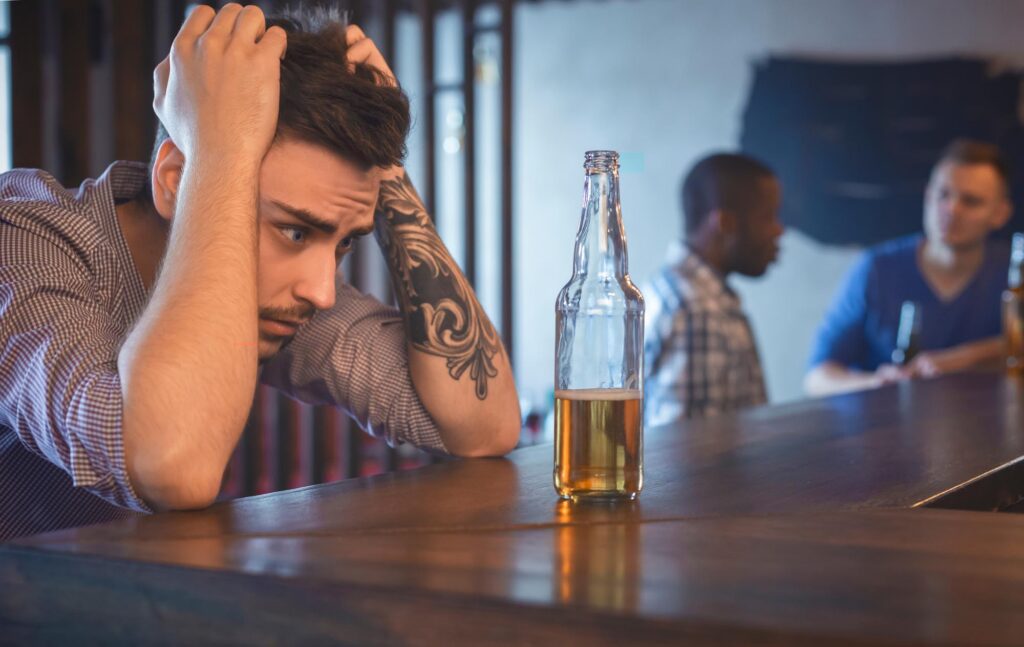
Alcohol abuse in veterans often shows up as difficulty controlling drinking, withdrawal symptoms such as shakes or anxiety, or alcohol-related strain on relationships and physical health. When drinking continues despite clear negative consequences, or when co-occurring conditions like PTSD worsen alongside alcohol use, professional treatment may be necessary. Specialized veteran-focused rehab programs are designed to provide integrated care that addresses both substance use and underlying mental health challenges. Recognizing the specific risk factors and warning signs can help veterans take informed next steps toward recovery
Understanding the Scope of Alcohol Abuse Among Veterans
While alcohol misuse affects millions of Americans, veterans face this challenge at disproportionately higher rates than their civilian counterparts. Statistics reporting shows that 65% of veterans entering treatment centers identify alcohol as their primary substance, nearly twice the civilian rate. You’re not alone if you’re struggling; more than 80% of veterans with substance use disorders abuse alcohol, totaling nearly 900,000 individuals.
Several psychological factors contribute to these heightened rates. Heavy alcohol use affects 7.5% of veterans compared to 6.5% of non-veterans, and over 33% of military personnel meet criteria for possible alcohol use disorder. Research indicates that combat exposure is correlated with problematic alcohol use, making those who served in active combat zones particularly vulnerable. If you’re a younger veteran aged 18-25, you face even greater risk, with 51.3% experiencing substance use disorders or mental illness. The urgency of addressing this issue is underscored by the fact that alcohol kills nearly 178,000 Americans every year.
Risk Factors That Make Veterans Vulnerable to Alcohol Misuse
Understanding why veterans face heightened vulnerability to alcohol misuse requires examining the complex interplay of trauma, mental health, and service-related experiences. Combat exposure greatly increases your risk of heavy drinking post-deployment, and more than one in five veterans with PTSD also struggle with substance use disorder. Research shows that dysphoric arousal symptoms within PTSD are particularly strong predictors of problematic drinking patterns in veterans. Additionally, genetics account for up to half the risk for developing AUD, while environmental factors contribute the remaining portion.
Combat exposure significantly increases your risk of heavy drinking, with over one in five veterans with PTSD also facing substance use disorder.
Key risk factors you should recognize:
- Untreated mental health conditions, If you’re not receiving current mental health screening or treatment, your risk for excessive consumption rises dramatically
- Demographic factors, Younger age, male gender, and lower education levels predict higher vulnerability
- Personality characteristics, Lower agreeableness and conscientiousness increase susceptibility
- Trauma history, Combat exposure and childhood abuse elevate your risk, making trauma focused therapy essential for recovery
Warning Signs That Drinking Has Become a Serious Problem

Recognizing when drinking has crossed the line from occasional use to a serious problem isn’t always easy, but certain warning signs can help you identify when it’s time to seek support. You may notice physical changes like unexplained weight fluctuations, bloodshot eyes, or tremors, alongside relationship strain and behavioral shifts such as increased isolation or neglecting responsibilities. Veterans may also experience mood swings, from calm to angry or upbeat to depressed, which can signal that alcohol use has become problematic. It’s important to note that up to 50% of suicides, sexual assaults, and intimate partner violence incidents are alcohol-related, underscoring the serious consequences of untreated alcohol abuse. As tolerance builds and withdrawal symptoms emerge when you’re not drinking, these are clear indicators that alcohol has taken hold and professional help can make a meaningful difference.
Physical Health Deterioration Signs
When alcohol use shifts from occasional drinking to a serious health threat, your body often sends clear warning signals that shouldn’t be ignored. You may notice liver enzyme elevation during routine bloodwork, indicating your liver is struggling to process toxins. Nutritional deficiencies often develop as alcohol replaces proper meals and impairs nutrient absorption.
Physical warning signs include:
- Yellowing skin or eyes (jaundice), dark urine, and unexplained bruising
- Persistent stomach pain, nausea, or digestive bleeding
- Numbness or tingling in your hands and feet
- Memory blackouts or confusion that worsens over time
These symptoms represent your body’s distress signals. Continued drinking despite these health problems can also increase your risk of chronic diseases like high blood pressure, stroke, and liver disease. If you’re experiencing any of these changes, it’s important to speak with a healthcare provider who understands veteran-specific needs and can guide you toward appropriate support.
Relationship and Behavioral Changes
Beyond the physical toll on your body, alcohol misuse often leaves visible marks on your relationships and daily behavior. You might notice strained communication patterns emerging, arguments with your spouse or children about drinking, or growing distance from friends who once felt close. These emotional dysregulation patterns signal that alcohol has taken hold.
| Warning Sign | Relationship Impact | Behavioral Change |
|---|---|---|
| Frequent arguments about drinking | Lower relationship quality | Increased isolation from loved ones |
| Partner experiences depression/anxiety | Growing emotional distance | Withdrawal from social support |
| Conflict despite consequences | Family tension escalates | Continued drinking regardless |
| Reduced partner well-being | Trust deteriorates | Risk of violence increases |
| Support networks weaken | Intimacy suffers | Coping through alcohol intensifies |
Research shows secure attachments and strong social support predict recovery, you don’t have to face this alone. The stakes of addressing these warning signs are significant, as veterans struggling with alcohol use disorder are over 4 times as likely to attempt suicide compared to those without AUD. Studies indicate that approximately 40% of married service members report heavy drinking, which is over three times the rate of married civilians, highlighting how prevalent this issue is within military families.
Increased Tolerance and Withdrawal
As your body adapts to regular alcohol consumption, you may find yourself needing more drinks to feel the same effects you once experienced with far less, this shift signals that tolerance has developed.
When you stop drinking, withdrawal symptoms can emerge within eight hours, including tremors, anxiety, insomnia, and heightened blood pressure. Without proper medical monitoring requirements, severe complications like seizures or delirium tremens can become life-threatening.
Warning signs you shouldn’t ignore:
- Needing increasingly larger amounts of alcohol to achieve intoxication
- Experiencing shakes, headaches, or anxiety when you haven’t had a drink
- Drinking in the morning to calm withdrawal symptoms
- Recognizing that detoxification procedures require professional supervision for your safety
Your body is telling you something important, these symptoms indicate it’s time to seek specialized treatment. Veterans with alcohol use disorder are over 4 times more likely to attempt suicide, making early intervention critical for your well-being. Younger male veterans aged 18-25 and those living with mental health disorders face even higher risks for alcohol misuse, making awareness of these warning signs especially vital. If you encounter difficulties accessing online treatment resources, certain actions like submitting specific data may trigger website security blocks, but you can email the site owner with details to resolve the issue.
Health Consequences of Untreated Alcohol Abuse in Veterans
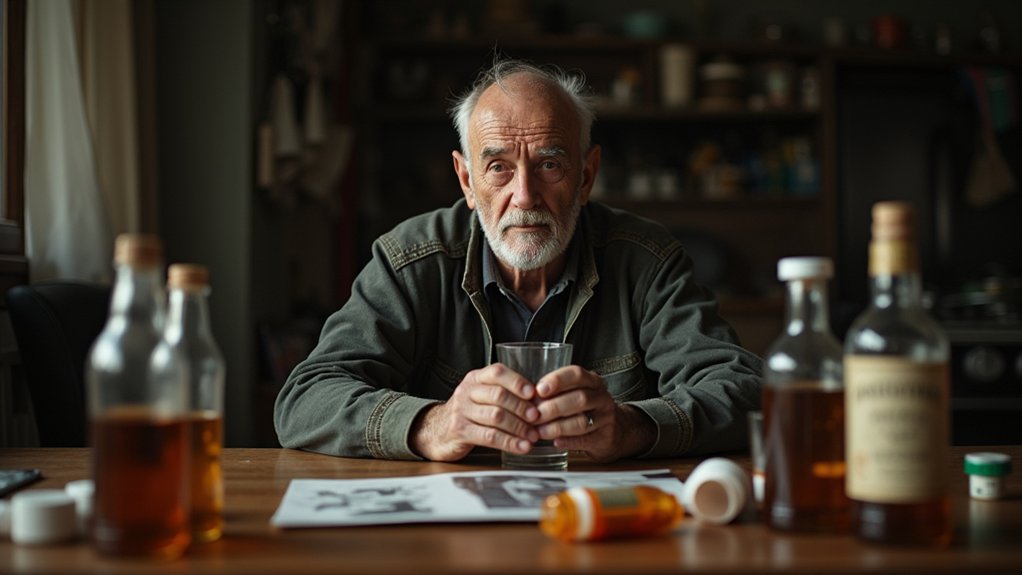
Though alcohol may initially feel like a way to cope with painful memories or difficult emotions, untreated alcohol abuse takes a devastating toll on veterans’ mental and physical health. You’re facing serious mental health comorbidities, nearly three-quarters of veterans with substance use disorders struggle with alcohol alongside conditions like PTSD and depression. This combination considerably increases your suicide risk.
| Physical Health | Mental Health | Social Impact |
|---|---|---|
| Liver disease | Depression | Relationship problems |
| Heart problems | Elevated suicide risk | Impact on career prospects |
| Shortened lifespan | Worsened PTSD symptoms | Violence and behavioral issues |
Untreated alcohol abuse also heightens your risk of experiencing or committing violence, drunk-driving arrests, and workplace difficulties. These consequences compound over time, making early intervention essential for your recovery.
When Professional Rehab Treatment Becomes Necessary
If you’ve noticed your drinking has become harder to control, interferes with your relationships, or continues despite negative consequences, these are signs that professional treatment may be necessary. You don’t have to wait until you’ve hit rock bottom, seeking help early can prevent serious health complications and give you the structured support you need to recover. Professional rehab offers evidence-based therapies, medical supervision during detox, and tools to address the underlying factors driving your alcohol use. Treatment options like cognitive behavioral therapy can help you develop balanced thoughts and effectively manage urges to drink.
Signs Treatment Is Needed
Recognizing when alcohol use has crossed into territory requiring professional intervention can feel overwhelming, especially for veterans who’ve been trained to push through challenges independently.
Several indicators suggest it’s time to seek professional support:
- Social isolation patterns emerge, including withdrawal from family, friends, and activities you once enjoyed
- Financial warning signs appear, such as unexplained money problems or spending that doesn’t align with your income
- Physical dependence develops, marked by withdrawal symptoms like shakiness, sweating, or anxiety when you stop drinking
- Co-occurring symptoms intensify, where PTSD flashbacks, nightmares, or depression worsen alongside increased alcohol consumption
You don’t need to meet every criterion to deserve help. If you’re experiencing two or more of these signs, professional treatment can provide the structured support your recovery requires.
Benefits of Professional Rehab
When the signs of alcohol dependence become clear, professional rehab offers veterans structured support that addresses both addiction and its underlying causes. You’ll receive personalized treatment plans that integrate trauma therapy, PTSD care, and evidence-based approaches like cognitive behavioral therapy and EMDR.
| Treatment Component | What You Receive | Veteran-Specific Benefit |
|---|---|---|
| Medical Detox | 24/7 monitoring | Safe withdrawal management |
| Dual Diagnosis Care | Mental health integration | PTSD and addiction treated together |
| Group Therapy | Peer support sessions | Shared military experiences |
| Family Therapy | Relationship healing | Military family dynamics addressed |
| Wraparound Support Services | VA navigation assistance | Benefits maximized, shifts smoothed |
Staff trained in military culture understand your experiences. You’re not starting over, you’re building on the resilience you’ve already demonstrated.
Taking the First Step Toward Recovery and Support
Taking the first step toward recovery can feel overwhelming, yet acknowledging that alcohol has become a problem represents a powerful act of courage. You don’t have to navigate this journey alone, support networks exist specifically for veterans who understand military experiences and trauma.
Consider these initial steps:
- Contact the VA for specialized veteran substance use programs
- Reach out to trusted peers who can accompany you to appointments
- Explore family counseling to rebuild relationships affected by alcohol misuse
- Connect with veteran-specific support networks that address reintegration challenges
With nearly 900,000 veterans struggling with alcohol use disorders, you’re not alone in this battle. The same strength that carried you through service can guide you toward healing and lasting recovery.
Frequently Asked Questions
How Does Veteran Alcohol Abuse Treatment Differ From Civilian Rehabilitation Programs?
Veteran-specific treatment approaches address your unique experiences, including combat trauma, PTSD, and military-related grief that civilian programs aren’t designed to handle. You’ll access community-based support services through the VA system that understand military culture and deployment challenges. Your treatment integrates evidence-based therapies like EMDR and CBT tailored to service-related issues. You’ll also connect with peers who share your experiences, creating understanding that civilian rehabilitation simply can’t replicate.
Can Family Members Force a Veteran Into Alcohol Rehab Treatment?
You can petition for involuntary commitment procedures in most states if your veteran loved one poses a danger to themselves or others due to alcohol abuse. Laws like Florida’s Marchman Act allow families to request court-ordered treatment. However, exploring outpatient treatment options together first often yields better long-term results. Approaching your veteran with compassion rather than force typically builds trust and supports lasting recovery, preserving your relationship throughout the healing process.
Does the VA Cover the Full Cost of Alcohol Rehabilitation Programs?
The VA doesn’t guarantee full cost coverage for alcohol rehabilitation programs. Your coverage depends on your eligibility, service history, and specific treatment needs. You’re responsible only for VA-determined copayments after receiving care. If you have private insurance coverage options, these can coordinate with your VA benefits. The VA also covers community-based treatment programs through the MISSION Act when approved, giving you flexible pathways to the support you deserve.
How Long Does Typical Inpatient Alcohol Rehab Last for Veterans?
Your inpatient stay duration typically ranges from 30 to 90 days, depending on your specific needs. Most insurance covers 30-day programs, though rehabilitation program length extends longer if you’re managing co-occurring conditions like PTSD or depression. Short-term medical detox takes 5-7 days before your residential treatment begins. Remember, your recovery journey is unique, treatment teams will work with you to determine the right duration for lasting healing.
Are There Veteran-Specific Support Groups Available After Completing Rehab Treatment?
Yes, you’ll find many community-based resources designed specifically for veterans after completing rehab. Peer led support groups create powerful connections through shared military experiences, allowing you to relate openly with others who understand service-related challenges. These veteran-specific communities often become lifelong sources of encouragement and accountability. Nightly meetings from local mutual-help groups provide consistent structure, while ongoing participation helps maintain your sobriety and guarantees you’re never facing recovery alone.