
Modern addiction research combines five cutting-edge approaches you’ll find fascinating. Scientists now utilize digital biomarkers from wearable sensors to track physiological changes in real-time, while precision medicine protocols create personalized treatment pathways based on genetic profiles. Advanced neuroimaging techniques visualize brain circuit activity, and real-time neurotransmitter monitoring reveals chemical signaling patterns. Machine learning algorithms integrate these diverse data streams, offering unprecedented insights into addiction’s complex mechanisms. The following examination reveals the transformative impact of these methodologies.
The Evolution of Digital Biomarkers in Addiction Research
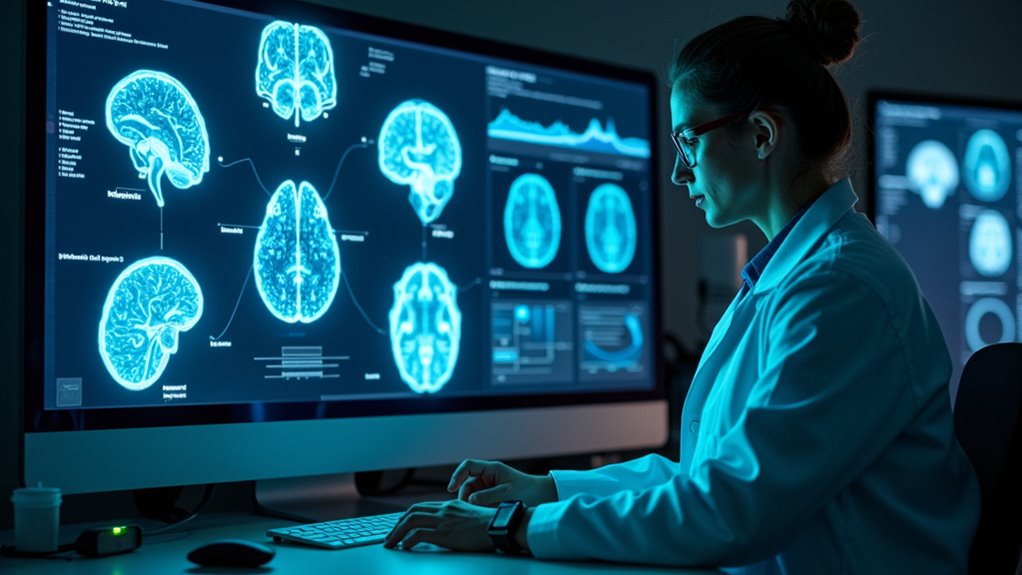
Three major technological advances have revolutionized how researchers study addiction through digital biomarkers. Primary, you’ll find noninvasive wearables and sensors that capture physiological data in real-time, enabling continuous monitoring without clinical visits. These innovations allow for passive measurement collection throughout the patient’s normal daily activities. The FDA approval of digital biomarker solutions has accelerated their adoption in clinical research.
Second, mobile applications now track behavioral patterns through passive data analytics, measuring vital metrics like sleep cycles and social engagement.
Third, remote monitoring systems integrate with cognitive assessment frameworks to detect early relapse risks. Digital health technologies have transformed how patients track and manage their personal health data, making addiction research more accessible and comprehensive.
The market for psychiatric digital biomarkers reflects this evolution, projected to reach $36.8B by 2034. While these tools face challenges with patient adherence dropping 34-53% over six months, researchers have developed effective countermeasures. They’re implementing automated alerts, strategic incentives, and hybrid approaches that combine digital tracking with periodic clinical check-ins to maintain engagement throughout longitudinal addiction studies.
Precision Medicine and Personalized Treatment Pathways
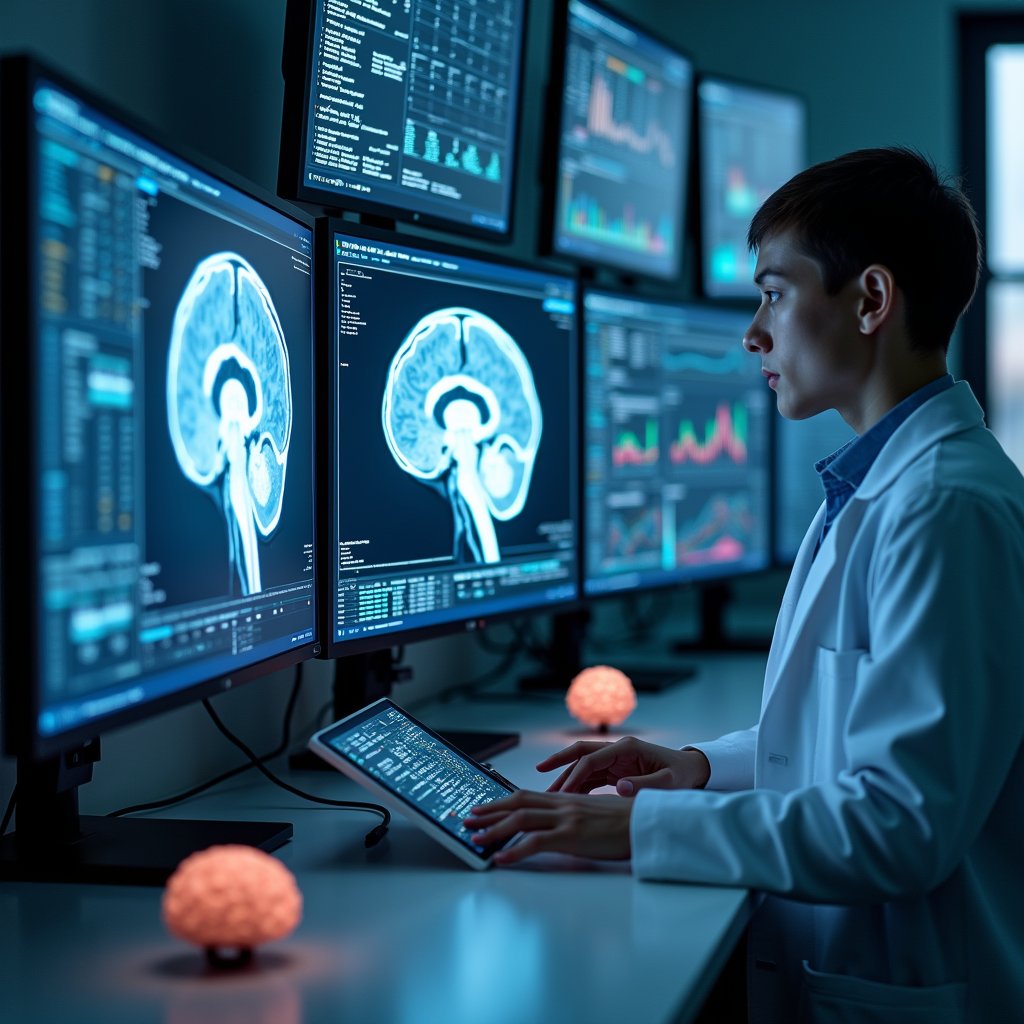
Building upon the digital biomarker revolution, precision medicine has emerged as a cornerstone in addiction treatment, leveraging genetic testing and biomarker analysis to create personalized therapeutic pathways. Scientists now integrate multiple data streams, including microbiome analysis and epigenetic modifications, to develop targeted interventions. Collaborative networks and technological integration are proving essential for advancing personalized care. Through personalized treatment approaches, healthcare providers can now maximize therapeutic effectiveness while minimizing potential side effects. The latest advancements in evidence-based medications have revolutionized how medical professionals approach substance use disorder treatment.
Today’s precision medicine approach encompasses:
- Pharmacogenomic profiling through CYP450 enzyme testing to optimize medication dosages
- AI-driven analysis combining genetic markers, behavioral patterns, and biomarker data for treatment selection
- CRISPR-based gene editing trials targeting addiction-susceptible pathways
- Real-time monitoring systems that adjust therapeutic protocols based on patient response
This extensive approach enables clinicians to move beyond traditional one-size-fits-all treatments, considerably improving outcomes while reducing adverse reactions and treatment costs through more precise, personalized interventions.
Advanced Brain Imaging Techniques for Studying Addiction

You’ll find that modern brain imaging techniques have revolutionized addiction research through sophisticated circuit activity mapping across neural networks.
Scientists have developed machine learning methods to analyze complex cellular changes in brain tissue during addiction studies.
A new study at Durham VA uses MRI scanning to evaluate brain changes in veterans seeking smoking cessation treatment.
Real-time visualization of neurotransmitter dynamics now allows you to observe chemical signaling patterns during craving and reward responses with unprecedented temporal resolution.
Cross-modal integration of multiple imaging methods, from functional MRI to PET scanning, provides you with complementary data streams that capture both structural and functional changes in the addicted brain.
Recent studies using resting-state and task-based fMRI have demonstrated how episodic future thinking impacts brain connectivity patterns in addiction recovery.
Brain Circuit Activity Mapping
Recent advances in brain circuit activity mapping have revolutionized addiction research by enabling scientists to visualize and analyze neural networks with unprecedented precision. Through dynamic functional connectivity analysis and multimodal data integration, researchers can now track complex neural interactions in real-time. PET and SPECT techniques allow researchers to study brain metabolism and receptor activity in living subjects, providing crucial insights into addiction mechanisms. Deep brain stimulation focused on targeted brain circuits has emerged as a promising neuromodulation therapy for addiction treatment.
Key methodological advances include:
- Lesion network mapping to identify entire circuits involved in addiction remission
- Advanced corticostriatal and insula circuit analysis revealing altered connectivity patterns post-treatment
- GABA-level monitoring through specialized neuroimaging to identify therapeutic targets
- Machine learning integration for mapping structural changes in regions like the prefrontal cortex
These techniques allow researchers to move beyond isolated brain regions to understand how entire neural networks contribute to addiction and recovery, enabling more targeted and effective treatment approaches.
Real-Time Neurotransmitter Visualization
Advanced real-time neurotransmitter visualization has transformed addiction research through multiple breakthrough technologies that allow scientists to observe neural signaling as it happens.
Using fluorescent sensors and molecular probes, you’ll find researchers can now track opioid receptor activation in specific brain circuits while measuring neurotransmitter release rates. This receptor sensitivity mapping provides unprecedented insight into how addiction affects neural communication pathways, particularly in the habenula and interpeduncular nucleus regions. The new biosensors emit real-time fluorescence when binding occurs, enabling precise tracking of opioid activity. The habenula’s unique position as an antennae-like structure helps researchers monitor signals across multiple brain regions simultaneously.
The integration of machine learning with neurotransmitter kinetics modeling enables scientists to quantify receptor density changes and analyze complex signaling patterns. Through high-resolution mapping techniques, you can observe how drugs alter neurotransmitter dynamics across different brain regions. These methods combine with structural-functional imaging to reveal critical interactions between neurons and astrocytes during diverse addiction states. Scientists can now achieve 80% prediction accuracy when determining the origin of astrocytes in specific brain regions using advanced machine learning models.
Cross-Modal Imaging Integration
While individual brain imaging techniques provide valuable insights, the integration of multiple imaging modalities has revolutionized addiction research through exhaustive neural analysis. Multimodal prediction models now combine structural MRI, fMRI, and PET scans to deliver unprecedented accuracy in understanding addiction pathways. Research shows that resting-state hyperconnectivity strongly predicts early binge drinking patterns in adolescents.
Key advances in cross-modal integration include:
- Simultaneous capture of gray matter volume, functional activity, and metabolic patterns
- Integration of voxel-level, network-level, and whole-brain metrics
- Dynamic simulation of substance use initiation and progression
- Data-driven treatment personalization through machine learning algorithms
You’ll find this approach particularly powerful as it enables researchers to track longitudinal changes across adolescence through ABCD datasets, while incorporating environmental, cultural, and familial factors. This extensive analysis leads to more accurate predictions of addiction outcomes and personalized intervention strategies.
Real-Time Monitoring Systems and Wearable Technologies
Modern wearable technologies now allow you to track critical physiological markers like stress hormones and blood alcohol levels through non-invasive biosensors that sync with mobile applications.
You’ll find innovations like Soberlink’s remote breath monitoring system integrating seamlessly with AI-driven platforms that can detect subtle behavioral changes and predict potential relapse risks. These digital prevention systems utilize real-time data analysis to trigger automated alerts to healthcare providers and support networks when concerning patterns emerge, enabling rapid intervention before crisis points.
Physiological Data Through Wearables
Real-time monitoring systems and wearable technologies have revolutionized addiction research by providing continuous physiological data streams that weren’t previously accessible. With sensor accuracy improvements and predictive analytics integration, these devices now offer unprecedented insights into addiction patterns and recovery processes.
Key physiological measurements through wearables include:
- Continuous heart rate and stress level monitoring for identifying emotional triggers
- Transdermal alcohol detection enabling immediate intervention protocols
- Sleep pattern analysis revealing correlations with substance use behaviors
- Blood glucose and metabolic health tracking for extensive health assessment
These medical-grade wearables integrate AI-driven analytics to detect early warning signs of relapse through biometric trend analysis. By monitoring multiple physiological parameters simultaneously, researchers can now develop more effective, personalized intervention strategies based on real-time data collection and analysis.
Soberlink’s Monitoring Innovations
Soberlink’s breakthrough monitoring system sets new standards in addiction recovery through its extensive integration of biometric verification, tamper-proof sensors, and real-time reporting capabilities.
You’ll find automated compliance validation through facial recognition that prevents proxy testing while ensuring participant identity in real-time. The system’s law enforcement-grade fuel cell technology delivers precise BAC measurements, detecting levels as low as 0.02% for early intervention.
This cost effective remote monitoring solution employs tamper-proof sensors that flag environmental interference and device manipulation attempts, instantly transmitting results to a secure cloud database.
The platform seamlessly integrates with treatment protocols by alerting clinicians, family members, and legal authorities within seconds of testing, while supporting inclusive data analysis for tracking recovery patterns and relapse triggers.
Digital Prevention Alert Systems
Digital prevention alert systems represent a transformative convergence of wearable technologies and app-based monitoring platforms that’s revolutionizing addiction treatment protocols. Through continuous physiological monitoring, these systems enable real-time relapse prevention by tracking essential biometric markers and behavioral patterns.
Key components of modern digital prevention systems include:
- Wearable sensors that monitor heart rate, temperature, and breathing patterns to detect substance use indicators
- AI-driven analytics that process physiological data to identify potential relapse triggers
- Mobile applications providing immediate access to support resources and teletherapy
- Emergency alert systems that notify caregivers or medical professionals when concerning patterns emerge
This integration of digital tools allows for unprecedented precision in addiction treatment, offering personalized interventions while maintaining a constant connection between patients and their healthcare providers.
Machine Learning Applications in Substance Use Research
Machine learning has revolutionized how researchers approach substance use disorders, offering unprecedented capabilities in prediction, analysis, and intervention development. By leveraging generative modeling for treatment design and virtual neural networks for outcome prediction, scientists can now track structural brain changes through automated imaging analysis.
| Application | Impact |
|---|---|
| Predictive Models | Early identification of substance abuse risk factors across populations |
| Neural Networks | Detection of astrocyte modifications during drug exposure |
| Clinical Tools | Real-time monitoring of brain changes and relapse indicators |
You’ll find interdisciplinary teams combining mathematical frameworks with biological datasets to augment addiction research. These collaborative efforts have produced sophisticated algorithms that analyze cellular responses, identify relapse predictors, and inform therapeutic interventions. This integration of ML with clinical practice enables more precise, personalized treatment approaches while bridging the gap between laboratory findings and practical applications.
Molecular and Genetic Research Methods
Genomic markers offer insights into your individual recovery trajectory by revealing specific genetic variants that influence treatment responsiveness and relapse susceptibility.
You’ll find that scientists track drug-gene response patterns through sophisticated molecular techniques, including GWAS studies and epigenetic analyses that identify how substances interact with your genetic makeup.
These genetic insights enable researchers to develop personalized treatment approaches by mapping how your unique genetic profile affects drug metabolism, receptor sensitivity, and therapeutic outcomes.
Genomic Markers in Recovery
While scientists have long recognized addiction’s hereditary components, recent large-scale genomic analyses of over 1 million samples have revealed specific molecular markers linked to substance use disorders. These genomic markers are revolutionizing precision therapies through targeted interventions based on individual genetic profiles.
Key advances in genomic research have identified:
- 19 SNPs associated with general addiction vulnerability across multiple disorders
- 47 substance-specific genetic markers for targeted treatment approaches
- Dopamine pathway regulation variants that influence addiction risk
- GLP-1 receptor pathways showing promise for novel therapeutic targets
This genetic understanding enables clinicians to capitalize on tools like the Genetic Addiction Risk Score (GARS) to optimize treatment selection and duration. Machine learning analysis of these markers continues to improve our ability to predict treatment outcomes and develop personalized recovery strategies.
Drug-Gene Response Patterns
Modern molecular and genetic research methods have revolutionized scientists’ understanding of drug-gene response patterns through advanced epigenetic, transcriptomic, and pharmacogenomic analyses. You’ll find that predictive pharmacogenomic models now identify individual treatment responses by analyzing genetic markers like DRD2 variants and shared SNPs across addiction disorders. RNA sequencing studies have mapped critical gene expression changes in reward pathways.
| Analysis Type | Key Markers | Clinical Application |
|---|---|---|
| Epigenetic | HDAC5, Scn4b | Relapse Prevention |
| Genomic | DRD2, SNPs | Treatment Selection |
| Pharmacogenomic | Drug Response | Therapy Optimization |
| Transcriptomic | Gene Expression | Pathway Mapping |
| Proteomic | Protein Networks | Circuit Analysis |
These advanced techniques enable scientists to understand how genetic variations influence substance responses, allowing for more targeted therapeutic interventions based on individual genetic profiles.
Behavioral Assessment Through Virtual Reality
Virtual reality has emerged as a groundbreaking tool for studying addiction through precise behavioral assessment, achieving remarkable prediction accuracy rates of 95.7% through decision tree algorithms. Through behavioral immersion environments and embodied interaction metrics, scientists can now map addiction pathways with unprecedented precision.
Key advances in VR addiction research include:
- Real-time monitoring of spatial perception and sensory engagement patterns that indicate vulnerability
- Avatar-driven therapeutic interventions achieving moderate effectiveness (Cohen’s d = 0.611) for substance use disorders
- High-risk behavior simulations that replicate real-world triggers with augmented ecological validity
- Demographic-specific risk profiling, particularly effective for identifying vulnerable populations like young female users
These technological capabilities enable researchers to study addiction mechanisms through controlled, replicable scenarios while gathering detailed behavioral data for predictive modeling.
Social Media Analytics and Population Health Studies
Through extensive social media analytics and population health studies, researchers have uncovered striking patterns in digital addiction behaviors affecting 210 million people worldwide. You’ll find that data-driven monitoring tools now track how social media influencers shape substance use perceptions, particularly among millennials and Gen Z users who show enhanced addiction rates.
Scientists analyze large-scale population data to measure how online content exposure correlates with real-world substance initiation, while simultaneously studying addiction recovery communities that form on these platforms. They’re evaluating the efficacy of digital interventions, from parental controls to targeted educational campaigns.
Current research priorities include developing integrated approaches that combine virtual and physical behavioral data, though significant gaps remain in understanding demographic-specific responses and long-term recovery outcomes through social media-based support systems.
Clinical Trial Innovations for Addiction Treatment
Revolutionary advances in clinical trial methodologies are transforming addiction treatment research, with AI-driven automation projected to manage 50% of trial data tasks by 2025. Through AI-driven patient recruitment and remote digital monitoring, you’ll witness unprecedented efficiency in addiction studies.
AI automation is revolutionizing addiction research, promising faster trials and smarter patient monitoring for breakthrough treatments.
Key innovations reshaping addiction research include:
- Blockchain-secured data systems ensuring trial integrity while protecting patient privacy
- Real-world evidence integration, with 85% of pharmaceutical companies adopting RWE for inclusive trial designs
- Advanced harm reduction metrics tracking behavioral changes through flexible monitoring frameworks
- Novel therapeutic interventions, including naloxone wafers and ultrasound neurological stimulation
These technological advancements are accelerating trial timelines by 20% while enhancing data precision. By leveraging machine learning algorithms and adaptive trial designs, researchers can now identify biomarkers and treatment pathways more effectively, revolutionizing how one understands and treats addiction.
Cross-Cultural Research Methodologies in Addiction Science
Leading addiction researchers worldwide employ sophisticated cross-cultural methodologies to investigate how substance use disorders manifest across diverse populations. They utilize network analysis to compare symptom structures between regions, as evidenced in studies contrasting China and Malawi’s internet addiction patterns. This approach reveals distinct cultural variations in functional impairments and emotional disturbances.
You’ll find researchers implementing community oriented interventions that integrate AI-driven analytics and culturally attuned telehealth solutions. These digital platforms enable real-time data collection while respecting local values and practices. The field emphasizes standardized assessment tools validated through rigorous translation processes and differential item functioning analyses. Intersectional approaches address gender-specific concerns and systemic inequities, while ethnographic interviews provide essential context for quantitative findings in cross-cultural addiction research.
Frequently Asked Questions
How Do Researchers Ethically Study Addiction in Vulnerable or Marginalized Populations?
You’ll need to implement representative sampling methods while prioritizing informed consent and cultural safety. You should engage peer researchers with lived experience and establish community advisory boards to guide study design.
It’s essential that you develop culturally adapted interventions and use non-stigmatizing language in all materials. You must protect participant privacy through strong data security protocols and provide access to support resources throughout the research process.
What Role Do Animal Studies Still Play in Modern Addiction Research?
Animal studies remain essential for understanding addiction’s core mechanisms, as they let you conduct controlled longitudinal studies that would be unethical in humans. You’ll find they’re particularly valuable for investigating genetic predispositions and neurobiological pathways.
Through standardized protocols using genetically diverse rats, you can analyze how specific genes interact with environmental factors, test potential interventions, and identify biomarkers that predict addiction vulnerability, all while maintaining precise experimental control over variables.
How Do Scientists Measure the Economic Impact of Different Addiction Treatments?
Scientists measure addiction treatment economics through thorough cost-benefit analyses that track multiple variables. You’ll find they examine direct medical costs, productivity losses, public health impacts, and societal burden.
They calculate ROI by comparing treatment expenses against reduced healthcare utilization, decreased criminal justice costs, and improved employment outcomes. Advanced analytics tools help quantify both tangible savings and intangible benefits like improved quality of life and reduced mortality rates.
Can Addiction Research Findings From One Substance Be Applied to Others?
You’ll find that cross-substance comparisons often yield valuable translational research applications, as many addictions share fundamental neurobiological mechanisms.
You can observe this in how GLP-1 agonists effectively reduce cravings across multiple substances, and how shared brain reward circuits respond akin to different drugs.
When you examine the neuroimaging data and genetic factors, you’ll notice substantial overlap in how diverse substances affect addiction pathways and treatment responses.
How Do Researchers Account for Environmental Factors Affecting Addiction Study Results?
You’ll find that researchers use sophisticated methods to control for environmental confounding variables in addiction studies. Through longitudinal studies, you can track how different environmental exposures impact outcomes over time.
You’ll see them employ multivariate regression techniques to isolate specific factors while controlling for socioeconomic status, stress levels, and access to healthcare. They’ll also use propensity scoring to balance participant groups with varying environmental risk profiles.