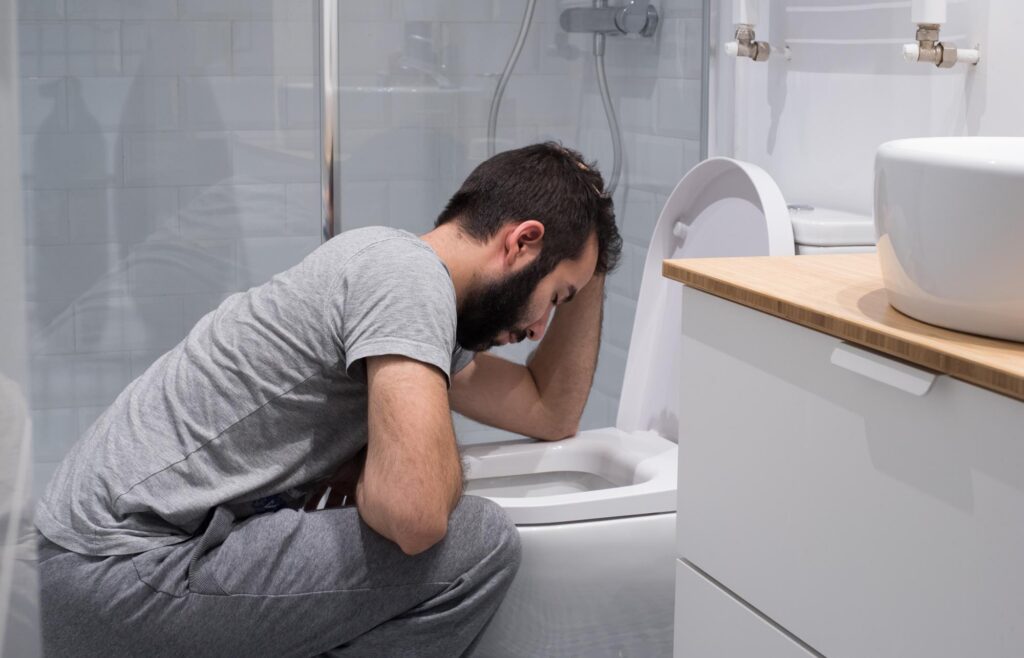
Yes, gabapentin commonly causes drowsiness and makes you sleepy because it binds to calcium channels in your brain, reducing excitatory neurotransmitter release while boosting inhibitory GABA activity. You’ll typically notice sedating effects within 30 minutes to a few hours after your first dose, with peak drowsiness occurring around 2-4 hours post-ingestion. The good news is that this initial sleepiness usually subsides within about 10 days as your body adjusts. Understanding the factors that influence your sedation can help you manage these effects effectively.
Yes, Gabapentin Makes You Sleepy: Here’s Why

Because gabapentin binds to the α2δ-1 subunit of voltage-gated calcium channels in your brain and spinal cord, it directly reduces the release of excitatory neurotransmitters like glutamate. This mechanism decreases excess neuronal excitation, producing calming and anti-anxiety effects that promote drowsiness.
As a structural analogue of GABA, gabapentin increases inhibitory activity in your central nervous system. It suppresses awake-promoting aminergic neurons through GABAergic activation, which disrupts your normal sleep, wake cycle by shifting you toward sedation.
Clinical observations confirm these sedating properties. Gabapentin’s half-life of 5-7 hours means drowsiness typically persists throughout a standard sleep window. You’ll likely notice enhanced slow-wave sleep, reduced sleep latency, and fewer spontaneous arousals. These effects explain why sleepiness ranks among the most commonly reported side effects during treatment. The sedating qualities of gabapentin have made it effective in treating sleep disorders and improving sleep quality, particularly in people with primary insomnia. Drowsiness is also a key characteristic of gabapentin toxicity, which can occur at higher doses or when combined with other central nervous system depressants.
What Gabapentin Does to Your Brain
Gabapentin consistently targets a specific protein in your brain called the α2δ-1 subunit, which sits on voltage-gated calcium channels throughout your nervous system. When gabapentin binds to these channels, it reduces calcium flow into your neurons, which directly decreases the release of excitatory neurotransmitters like glutamate, dopamine, and norepinephrine.
Gabapentin binds to calcium channels in your brain, reducing the release of stimulating neurotransmitters that keep you alert.
This mechanism creates nervous system depression by calming overactive nerve signals. Here’s what happens in your brain:
- Fewer excitatory neurotransmitters reach your synapses
- GABA synthesis increases, enhancing inhibitory signaling
- New synapse formation slows through thrombospondin blocking
- Overall neural excitability decreases
These combined effects explain why you experience drowsiness. Your brain’s activity level drops as gabapentin dampens the chemical messengers responsible for alertness and arousal. The sedation you feel directly reflects this reduced neuronal firing throughout your central nervous system. Before researchers identified how gabapentin binds to alpha2delta-1 receptors, the mechanism of gabapentin’s action remained a mystery to scientists. Interestingly, gabapentin was originally designed by adding a cyclohexyl group to the GABA molecule’s backbone, creating a structure that could more easily cross into brain tissue.
Factors That Affect How Sedated You Feel

Several key factors determine how drowsy you’ll feel on gabapentin, and understanding them helps you anticipate and manage sedation.
Dosage plays a crucial role, higher doses produce greater sedation risk. Your prescriber will likely start you on a lower dose and gradually increase it.
Age matters considerably. If you’re older, you face heightened sedation and respiratory depression risks. The American Geriatrics Society includes gabapentin in its Beers Criteria for potentially inappropriate medications in elderly patients.
Other medications you take can intensify drowsiness. Combining gabapentin with opioids, benzodiazepines, or sedating antidepressants substantially increases sedation. Research shows that gabapentin significantly reduces opioid consumption, which may help minimize compounded sedation effects when used as part of a multimodal pain management approach.
Kidney function affects how your body processes gabapentin. If you have renal impairment, the medication stays in your system longer, potentially causing excessive sedation without proper dose adjustments.
Substance use history is another important consideration. Patients with a history of substance use disorders are more likely to misuse gabapentin, so clinicians should exercise caution and implement regular monitoring for signs of misuse when prescribing to high-risk populations.
When Does Gabapentin Drowsiness Start?
You may notice drowsiness within 30 minutes to a few hours after taking your first dose of gabapentin, though the timing varies from person to person. Peak blood levels occur about 2-4 hours after ingestion, which is when sedation effects are often strongest. Your individual response depends on factors like your dose, whether you’ve eaten, and how sensitive your body is to the medication’s calming effects on nerve activity. Since gabapentin has a half-life of about 5-7 hours, the sedating effects typically diminish as the medication is cleared from your system. The medication works by inhibiting excitatory neurotransmitters in the brain, which contributes to both its therapeutic benefits and its drowsiness-inducing properties.
Initial Dosing Effects
When starting gabapentin, drowsiness typically appears within the first few hours of your initial dose. Since gabapentin reaches peak plasma concentration within 2-3 hours, you’ll likely notice sedation during this window. If you’re wondering “does gabapentin make you sleepy,” the answer is yes, approximately 14-19% of patients experience somnolence during early treatment.
If gabapentin makes you sleepy, these strategies can help:
- Start with 300 mg as a single evening dose
- Increase gradually by 100-300 mg every 1-3 days
- Take doses at night to minimize daytime drowsiness
- Expect side effects to subside within about 10 days
Will gabapentin make me sleepy long-term? For most patients, initial drowsiness diminishes as your body adjusts to the medication. Research shows that adverse effects including dizziness, ataxia, somnolence, and nausea were significantly lower when doses were divided into four times daily rather than three times daily. While sedation may improve quickly, gabapentin typically begins to show effects on neuropathic pain within 1 week, with full therapeutic benefit potentially requiring 2 months or more of treatment at an adequate dose.
Timeline for Sedation
Because gabapentin reaches peak plasma concentration within 2-3 hours after you take it, sedation typically begins during this window. Some individuals notice drowsiness as early as 30 minutes post-dose, while others experience effects closer to the 2-hour mark. Your body’s response depends on factors like kidney function, whether you’ve eaten, and your individual sensitivity.
The drug’s 5-7 hour half-life means sedation persists beyond peak concentration. If you take gabapentin at bedtime, this timeline works in your favor, the medication’s calming effects align with your sleep period. However, if you feel gabapentin groggy into the next morning, you may need to adjust your dosing time. Taking your dose 1-2 hours before bed often optimizes sedation for sleep initiation while minimizing daytime fatigue. Older adults often experience more pronounced sedation and other gabapentin side effects than younger adults, so age may influence how strongly and quickly drowsiness develops. Those with kidney disease face increased risk of prolonged sedation since impaired renal function affects how the body processes and eliminates gabapentin.
Individual Response Variations
Everyone responds to gabapentin differently, and the onset of drowsiness varies considerably from person to person. Your baseline sleep sensitivity, metabolism rate, kidney function, and genetic factors all influence how quickly you feel gabapentin tired effects.
Several key factors determine your individual sedative response:
- Age and metabolism, Older adults and those with slower metabolic rates typically experience more pronounced drowsiness
- Concurrent medications, Other central nervous system depressants, including alcohol, substantially intensify sedation
- Previous medication history, Your tolerance to sedating drugs affects how strongly gabapentin impacts you
- Underlying neurochemistry, Some people notice reduced racing thoughts and improved sleep quality, while others primarily experience unwanted daytime grogginess
Understanding your personal response helps you and your healthcare provider optimize dosing timing and schedules. Since gabapentin has a half-life of 5-7 hours, the sedative effects typically wear off by the time most people wake up the next morning.
How Long Does Gabapentin Sleepiness Last?
How Long Does Gabapentin Sleepiness Last?
How quickly does gabapentin-related sleepiness fade? For most people, drowsiness improves within days to two weeks as your body adjusts. If you’re wondering does gabapentin make you tired long-term, the answer is typically no, sedation is usually temporary.
Gabapentin drowsiness typically fades within days to two weeks, sedation is usually temporary as your body adjusts.
When gabapentin 300mg makes you sleepy, you’ll likely notice improvement within four days at this dose. In one clinical case, a patient experienced mild early morning sedation that resolved within 4 days. The medication’s 5-7 hour half-life means sleep-inducing effects generally wear off by morning, reducing next-day grogginess. When gabapentin 300 mg makes you sleepy, you’ll likely notice improvement within four days at this dose. In one clinical case, a patient experienced mild early-morning sedation that resolved within four days, which aligns with typical gabapentin duration based on its pharmacokinetics. The medication’s 5, 7 hour half-life means sleep-inducing effects generally wear off by morning, reducing next-day grogginess.
Your body clears gabapentin completely within 48 hours, minimizing residual fatigue. Clinical cases show daytime sleepiness resolving after three weeks, with some patients experiencing relief much sooner. Since gabapentin is not metabolized by the liver and is eliminated through the kidneys, people with healthy kidney function typically clear the medication efficiently.
If drowsiness persists beyond one to two weeks without improvement, contact your prescriber. They may recommend dosage adjustments or consider alternative treatments.
Drowsiness, Fatigue, or Grogginess: What’s the Difference?

When gabapentin affects your energy levels, you might wonder whether you’re experiencing sleepiness, fatigue, or drowsiness, terms that sound similar but describe distinct sensations. what is a gabapentin high like can also factor into how you perceive these sensations. Some users report feelings of relaxation and euphoria, while others may feel disoriented or confused. Understanding these effects can help in managing expectations and seeking medical advice if needed. When gabapentin affects your energy levels, you might wonder whether you’re experiencing sleepiness, fatigue, or drowsiness, terms that sound similar but describe distinct sensations. What is a gabapentin high like can also factor into how you perceive these sensations, and some users then ask can gabapentin make you irritable when relaxation or euphoria shifts into restlessness or mood changes. Some users report feelings of relaxation and euphoria, while others may feel disoriented or confused. Understanding these effects can help in managing expectations and seeking medical advice if needed.
Key differences to recognize:
- Sleepiness involves a strong urge to fall asleep, like nodding off at a red light or dozing at your desk
- Fatigue describes exhaustion, mental, physical, or both, without necessarily wanting to sleep
- Drowsiness represents a intermediary state between full wakefulness and sleepiness
- Grogginess typically refers to sluggishness upon waking or difficulty achieving full alertness
Understanding these distinctions matters for your care. Fatigue often doesn’t improve with rest, while sleepiness resolves after adequate sleep. Both can impair reaction time and daily functioning. If you’re unsure which symptom you’re experiencing, track when it occurs and how sleep affects it.
How to Manage Gabapentin-Related Tiredness
Now that you can identify the type of tiredness you’re experiencing, you can take practical steps to reduce its impact on your daily life.
Adjust Your Timing
Take gabapentin one to two hours before bedtime to align peak blood levels with sleep onset. This approach reduces daytime dizziness and cognitive fog compared to morning dosing. Maintain consistent timing within 30 minutes of your chosen bedtime.
Taking gabapentin one to two hours before bedtime helps reduce daytime drowsiness and keeps you sharper during waking hours.
Optimize Your Dose
Work with your prescriber to use the lowest effective dose while your body adjusts. Gradual titration from lower starting doses minimizes initial somnolence.
Consider Melatonin
Research shows melatonin supplementation rapidly reduces gabapentin-related daytime sleepiness. In one study, sleepiness complaints dropped from 47.5% to 5% after just 10 days of melatonin use. Discuss this option with your healthcare provider before starting supplementation.
When Gabapentin Tiredness Needs Medical Attention
Most cases of gabapentin-related tiredness resolve on their own as your body adjusts to the medication, but certain warning signs require immediate medical attention. While mild drowsiness is expected, severe symptoms may indicate toxicity or overdose, particularly if you have kidney impairment.
Contact your doctor or seek emergency care if you experience:
- Slowed, shallow, or labored breathing
- Confusion, disorientation, or inability to wake up
- Blue-colored skin, lips, fingers, or toes
- Severe dizziness with coordination problems or difficulty walking
These symptoms can escalate quickly, especially in patients with compromised renal function. If you’re on dialysis or have reduced kidney clearance, even standard doses can accumulate to dangerous levels. Don’t dismiss progressive drowsiness that worsens rather than improves over time.
Frequently Asked Questions
Can Gabapentin Cause Rebound Insomnia if I Stop Taking It Suddenly?
Yes, you can experience rebound insomnia if you stop gabapentin suddenly. When you’ve been taking it regularly, your body adjusts to its calming effects on nerve activity. Stopping abruptly can trigger sleep disruptions within 12-48 hours, with symptoms peaking around 24-72 hours. You may notice difficulty falling asleep, frequent waking, and vivid dreams. To minimize these effects, you’ll want to work with your doctor on a gradual tapering schedule.
Does Gabapentin Improve Sleep Quality or Just Make You Fall Asleep Faster?
Gabapentin does both, it helps you fall asleep faster and improves your overall sleep quality. Research shows it increases slow-wave sleep (the most restorative stage), reduces nighttime awakenings, and extends total sleep time. Studies also demonstrate improved sleep efficiency scores and better subjective sleep ratings. You’re not just getting knocked out; you’re experiencing deeper, more consolidated sleep. These benefits have been documented across conditions including insomnia, restless legs syndrome, and neuropathic pain.
Will I Develop Tolerance to Gabapentin’s Sleep Effects Over Time?
You’re unlikely to develop tolerance to gabapentin’s sleep effects with regular use. Clinical trials show stable efficacy without tolerance noted at doses up to 1,800 mg/day. However, some individuals do experience tolerance requiring dosage adjustments, and misuse increases this risk. If you suddenly stop gabapentin after extended use, you may experience rebound insomnia. Talk with your prescriber if you notice the sleep benefits diminishing over time.
Is Gabapentin Safe to Use Long-Term as a Sleep Aid?
Long-term use of gabapentin as a sleep aid isn’t well-established for safety. You face higher risks of dependence, withdrawal symptoms, and potential rebound insomnia with extended use. Tolerance may also develop, reducing its effectiveness over time. Most sleep medications, including gabapentin, aren’t approved for chronic use. You should work with your healthcare provider to use the lowest effective dose for the shortest duration and explore underlying causes of persistent insomnia.
Can Gabapentin Help With Restless Legs Syndrome That Disrupts My Sleep?
Yes, gabapentin can effectively treat restless legs syndrome (RLS) that’s disrupting your sleep. Clinical trials show approximately 70% of patients experience significant symptom improvement with gabapentin treatment. You’ll likely notice reduced periodic leg movements, better sleep efficiency, and fewer nighttime awakenings. The medication works particularly well if you have pain-associated RLS symptoms. However, you should discuss appropriate dosing with your doctor, as effective RLS treatment typically requires higher doses than other conditions.